
 Water damage drying
 Fire & smoke cleanup
 Mold remediation
 Storm response
 Sewage cleanup
 Reconstruction
Free visual inspection and a written scope of work before any mitigation begins - photos, moisture readings, and drying logs go in your claim file
The scope we write is the scope we bill. Anything new gets shown to you, in writing, before we touch it.
Get your free estimateRestoration work we handle
See the difference
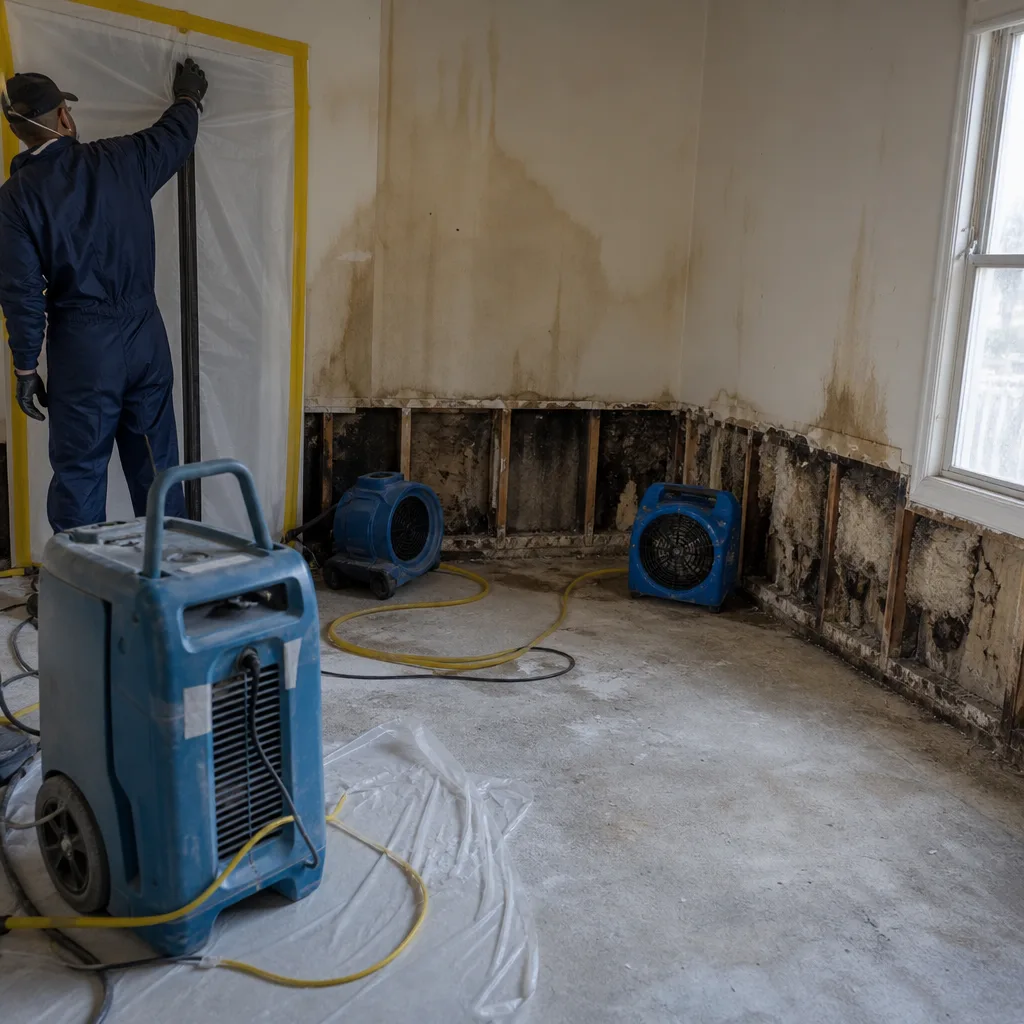 Before
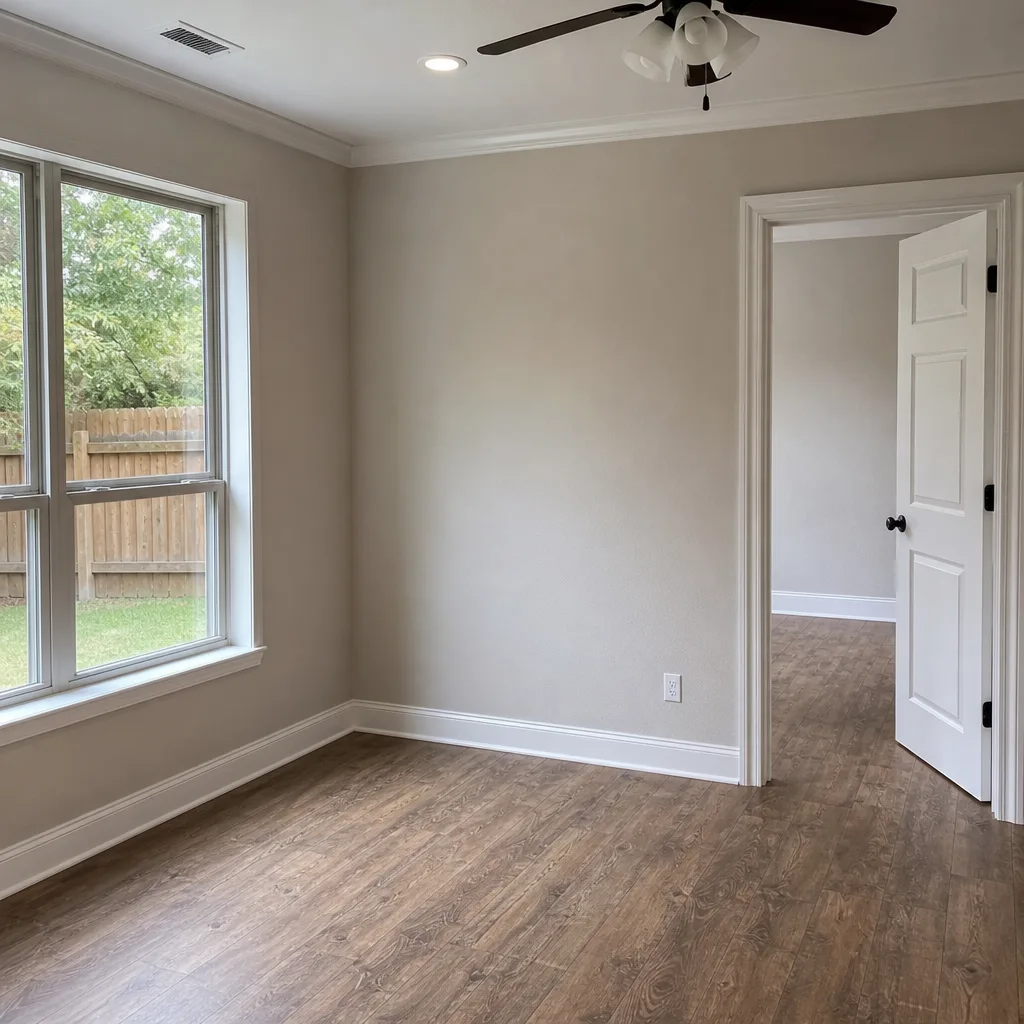 After
After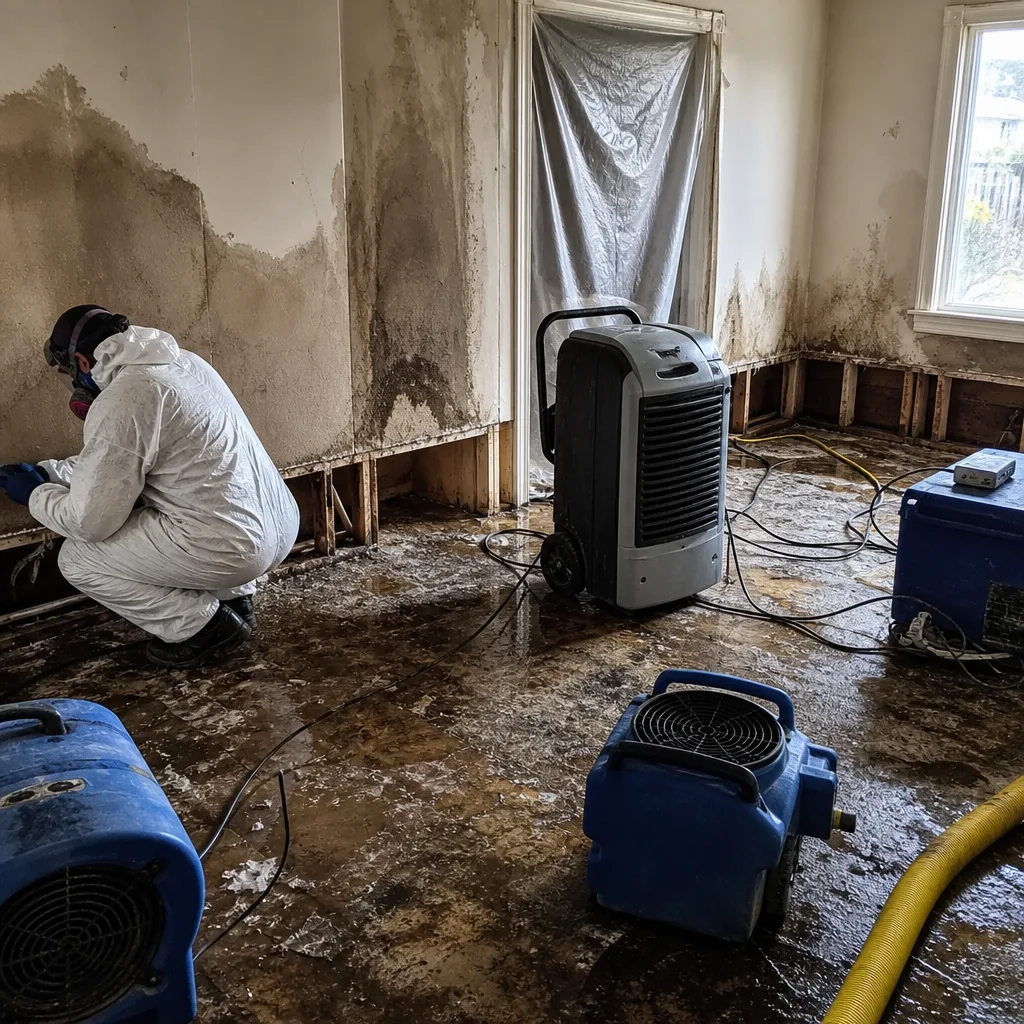 Before
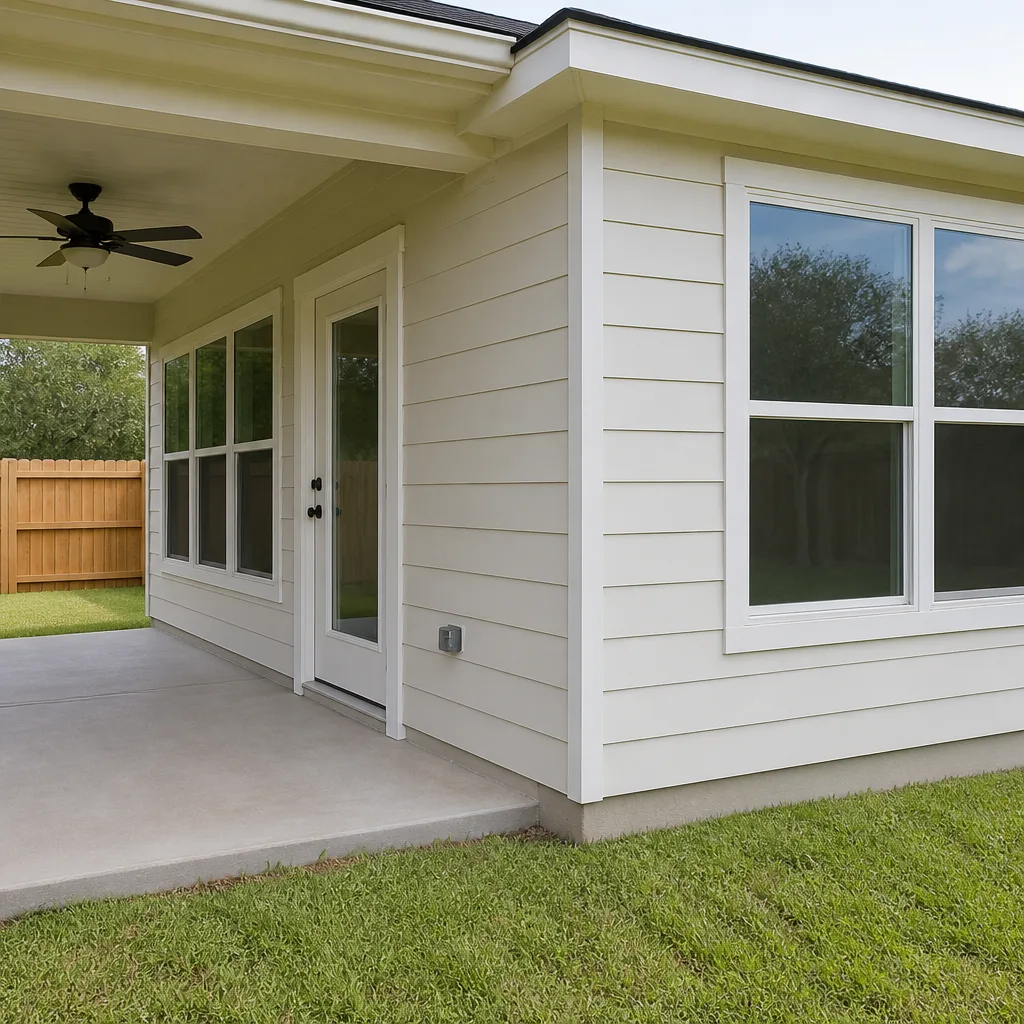 After
After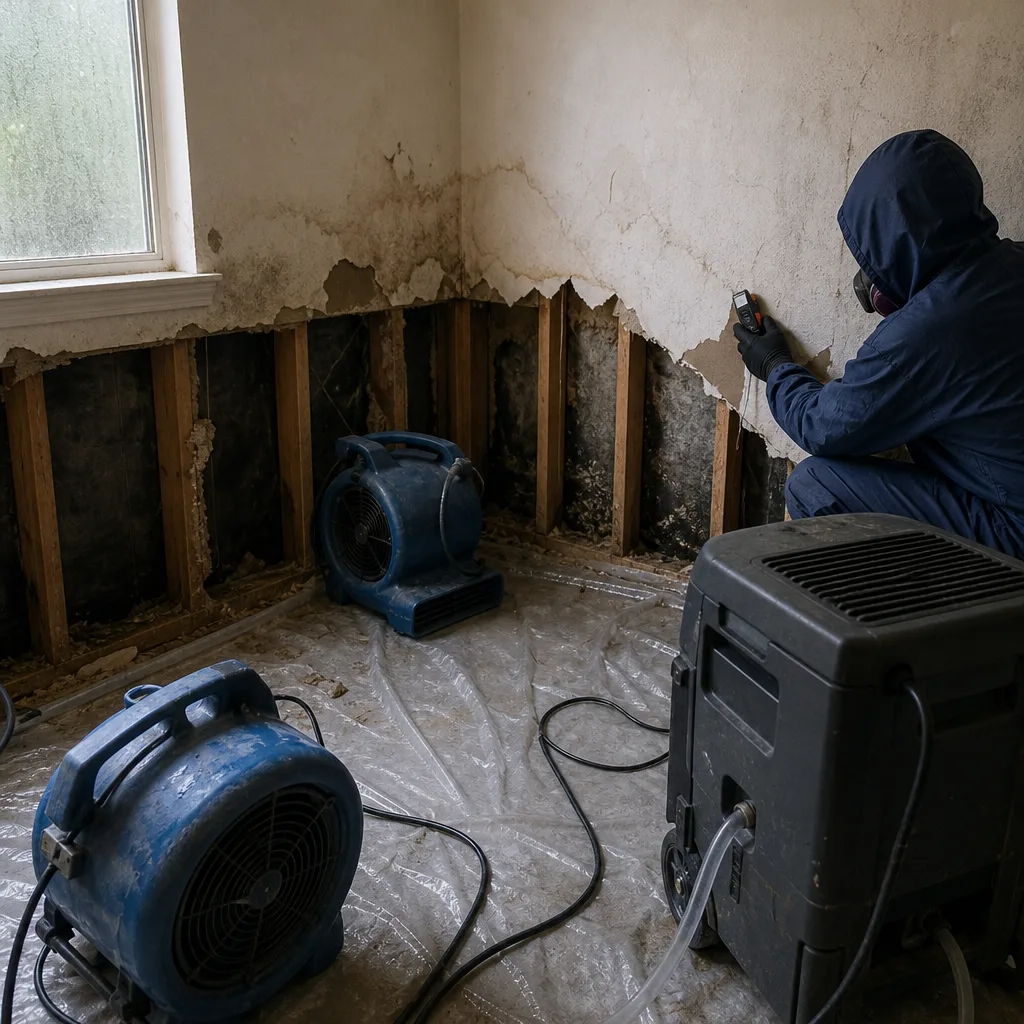 Before
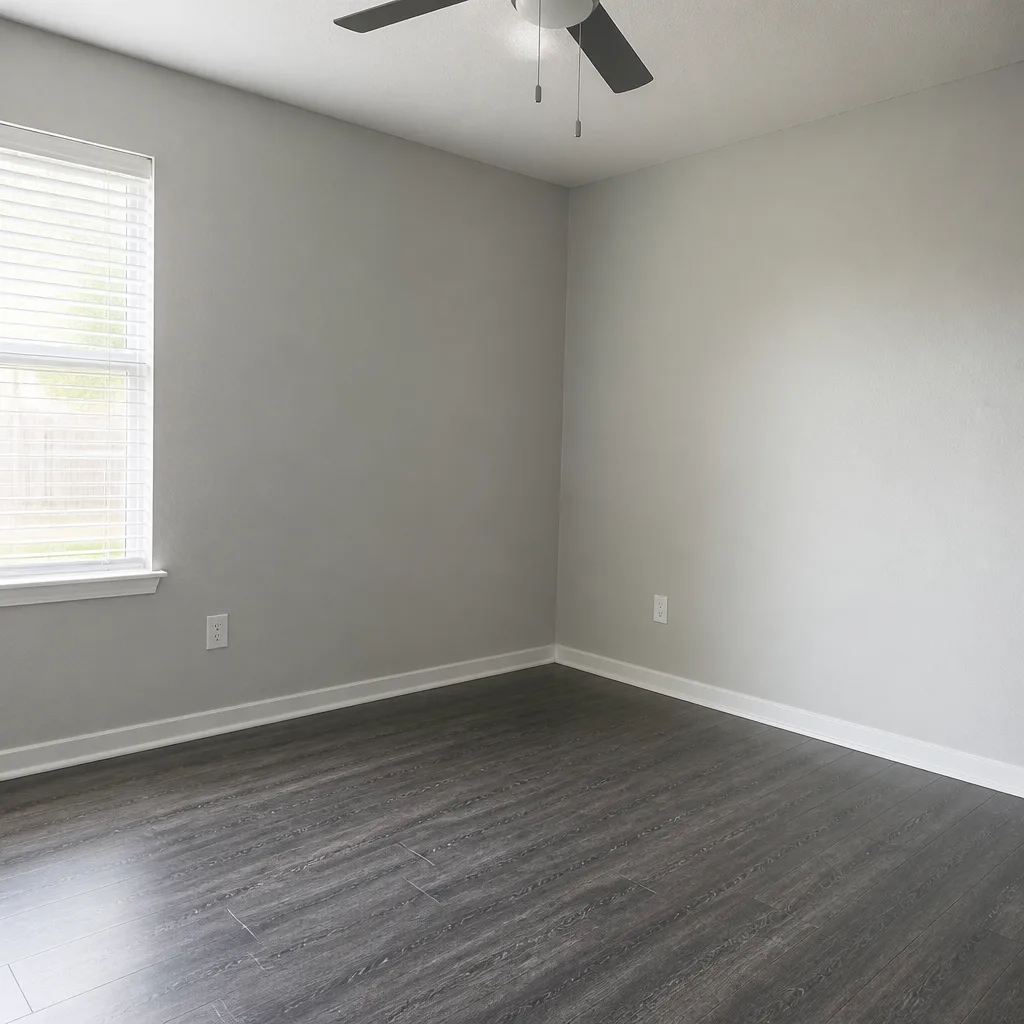 After
AfterHow Much Does Sewage Cleanup Cost in San Antonio?
Sewage cleanup in San Antonio typically costs between $2,300 and $7,500 for a standard residential backup affecting one to two rooms, with most homeowners paying around $3,900. Small contained spills that don’t require structural drying can run as low as $800, while a whole-home sewage loss involving multiple rooms, flooring removal, and extensive drying can reach $12,000 or more. These are real numbers for the San Antonio market in 2026, not national averages that don’t reflect what you’ll actually pay here.
Sewage Cleanup Cost Breakdown (2026)
Here’s what a typical sewage cleanup invoice looks like in San Antonio, line by line. Prices include labor, equipment, disposal, and materials for a standard single-room backup with moderate contamination.
| Line Item | What It Includes | Typical Range in San Antonio |
|---|---|---|
| Emergency response & assessment | Water extraction, containment setup, moisture mapping, tide mark identification | $350 – $750 |
| Contaminated material removal | Cutting and disposing of affected drywall, baseboards, carpet, pad, and insulation | $600 – $2,200 |
| Antimicrobial & sanitization treatment | Application of EPA-registered disinfectants on all affected surfaces, including subfloor and framing | $300 – $900 |
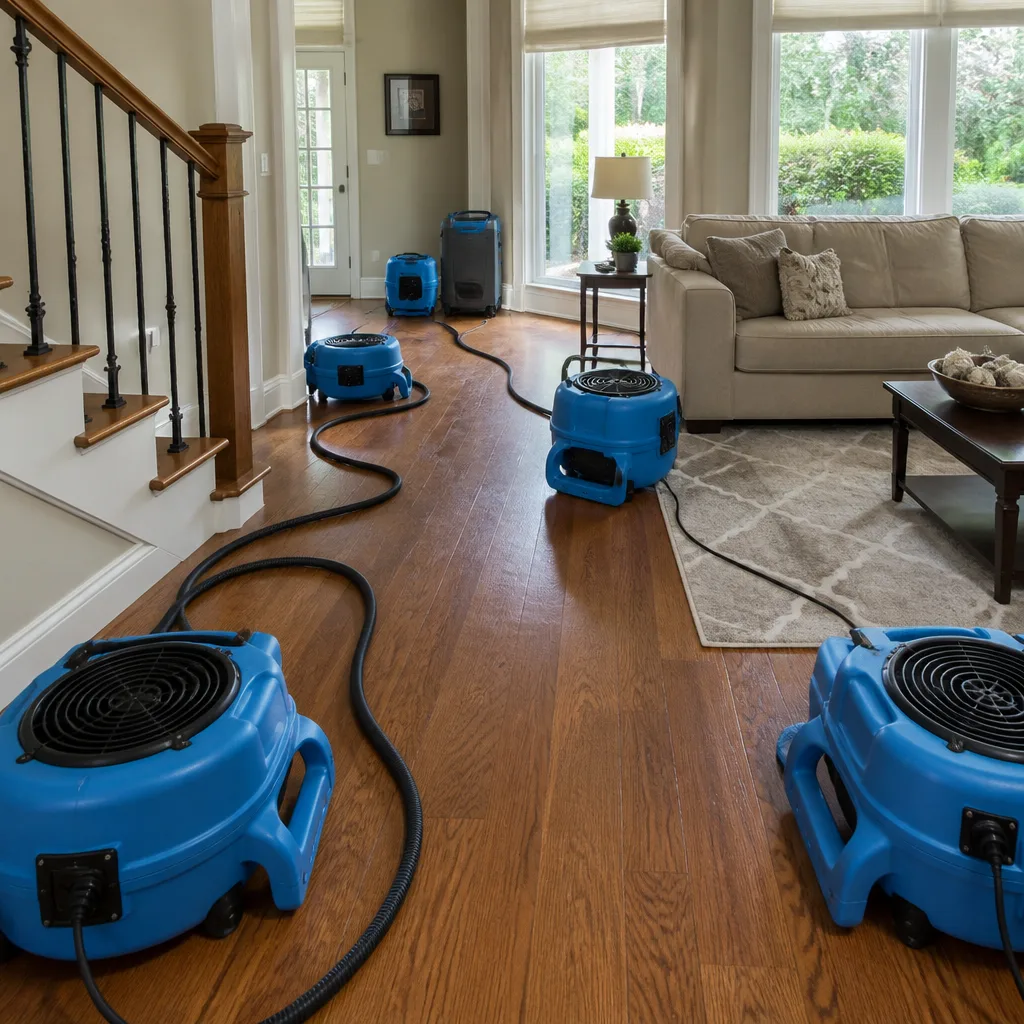
| Structural drying | Dehumidifiers and air movers from Dri-Eaz, Phoenix, or XPOWER running 3-5 days | $500 – $1,400 |
| Debris haul-off & disposal | Proper disposal of Category 3 water material at approved facilities | $250 – $600 |
| Furniture & contents handling | Moving, cleaning, or disposing of affected personal items | $200 – $1,100 |
| Plumbing repair (if needed) | Fixing the actual source: broken line, clog, failed ejector pump, or slab leak | $150 – $4,500+ |
The plumbing repair line is the wildcard. A simple toilet clog that backed up costs almost nothing to fix at the source. A failed ejector pump in a Leon Valley split-level or a broken cast-iron line under a 1960s slab in Castle Hills can add thousands before cleanup even begins. That’s why we give a written price for the cleanup itself before any work starts, and we walk you through what the plumber’s scope looks like separately if one is needed.
Category 3 Water: What It Actually Means for Your Bill
Sewage is classified as Category 3 water by the IICRC, the organization that certifies restoration technicians. It contains bacteria, parasites, and viruses. That classification isn’t a scare tactic, it’s a scope definition. Category 3 means anything porous that absorbed the water (carpet, pad, drywall, books, stuffed animals) typically can’t be sanitized and will be removed. The more porous material that got wet, the higher your line item for removal and replacement prep. In San Antonio homes with slab foundations, sewage that sits against the slab for more than 48 hours can wick into wall cavities, which is why our technicians use moisture meters to find the tide mark, the line where water actually traveled, and dry past it rather than stopping where the visible mess ends.
What Affects Sewage Cleanup Pricing in San Antonio
No two sewage losses cost the same, and in San Antonio specifically, a few local factors move the number more than anything else.
- Square footage of affected area. A bathroom overflow contained to tile costs less than a cleanout failure that flooded a hallway, two bedrooms, and a closet. The actual wet square footage drives equipment count and labor hours.
- Foundation type and drainage. Homes in Alamo Heights and Terrell Hills with pier-and-beam foundations dry faster than slab homes in Stone Oak, because the crawl space lets air circulate underneath. Slab homes can require more equipment time and sometimes core drilling for drainage in severe cases.
- How long the sewage sat. If the backup happened while you were at work and sat for six hours versus two days, the absorption depth changes. Standing sewage wicks upward through drywall faster than people expect, especially during San Antonio’s humid summer months when materials don’t air-dry on their own.
- Age of the home and building materials. Older homes in neighborhoods like Jefferson and Monte Vista often have plaster and lathe, real hardwood, and multiple layers of flooring. Plaster holds less moisture than drywall but costs more to repair. Three layers of old vinyl over original wood means more labor to remove and more disposal weight.
- What got contaminated. Built-in cabinetry, custom baseboards, bathroom vanities, and closets full of shoes and linens all add to the contents line. The standard is simple: porous items that absorbed Category 3 water are removed. Non-porous items get cleaned and disinfected.
- Access and parking for equipment. Downtown-area condos, third-floor apartments near the Pearl, and gated communities with tight driveways require different equipment staging. Vans loaded with dehumidifiers and air movers need space, and difficult access can add a small logistics fee on some jobs.
How to Save on Sewage Cleanup
You can’t prevent a sewage backup through willpower, but you can control how expensive the response is. Here’s what actually saves money on the back end.
- Call the moment you see it. Every hour sewage sits in a San Antonio home, it soaks deeper into drywall, baseboards, and subfloor. A quick response often means the difference between drying a room and gutting it. Our phones are answered by a live person 24/7 at (325) 230-0537, because sewage doesn’t wait for Monday morning, and neither should you.
- Shut off the water source immediately. If you know where the cleanout is, if it’s a toilet that won’t stop running, or if you can access the main shutoff at the street, stop the intake. Less water in means less square footage affected.
- Don’t touch anything. We mean this kindly. Moving wet boxes, dragging a shop vac across carpet, or pulling up a corner of the pad to “let it air out” spreads contamination into unaffected areas. Every extra foot of contamination is extra cost. Let the team in gloves and respirators handle it.
- Get a written price before work starts, not an estimate after the fact. This is the single biggest cost-saver most homeowners don’t know about. A verbal estimate over the phone can change after the crew arrives. Our process is different: you get a written price before any work begins. No surprises on the final invoice, and no “well, it turned out to be more than we thought.”
- Ask what can be cleaned versus what must be replaced. Non-porous items like sealed wood furniture, some toys, and metal fixtures can often be sanitized and saved. Knowing what we can treat versus what has to go gives you a budget that matches reality, not worst-case assumptions.
For a free estimate with a written price, call (325) 230-0537. Someone answers, every time, any hour.
What Is Sewage Cleanup and How Does It Work?
Sewage cleanup is the removal, disinfection, and drying process that follows a Category 3 water event in your home. It’s not the same as a plumbing fix, though a plumber is often part of the picture. The cleanup itself focuses on removing contaminated water and saturated materials, sanitizing structural surfaces, and drying the space thoroughly. In San Antonio, where summer humidity sits above 70% for months at a time, the drying phase matters as much as the extraction phase.
The Process, Step by Step
You’ll see this exact sequence on most residential sewage jobs in San Antonio:
- Containment and assessment. Crews set up plastic containment barriers to keep contaminated air and dust from spreading through the rest of the house. Shoe covers go on at the door, drop cloths cover the floors in unaffected areas, and moisture meters map exactly where the water went, including the tide mark on walls and the path under the flooring.
- Water extraction. Truck-mounted or portable extractors pull standing sewage from floors. During this phase, the source of the water gets addressed if it’s still active, which often means coordinating with a plumber for a broken line or failed pump.
- Material removal. Carpet, pad, baseboards, and drywall that absorbed sewage are cut out and bagged. This is where pricing varies most, because the amount removed depends on how far the water traveled and how long it sat.
- Antimicrobial application. EPA-registered disinfectants are applied to all exposed surfaces, including the slab, wall studs, and subfloor. This step is what makes the area safe for rebuilding.
- Structural drying. Dehumidifiers from Dri-Eaz, Phoenix, XPOWER, B-Air, and Injectidry run for several days. We take daily moisture readings and only remove equipment when the structure is actually dry, not when the clock says it’s been long enough.
- Final inspection and photo documentation. Before the crew leaves, we photograph what was cleaned and how it was left. You get a copy of that photo, and the work is covered by our 365-Day Done Right Promise.
Is Sewage Cleanup Covered by Homeowners Insurance?
Most standard homeowners policies in Texas cover sewage backup as part of the dwelling coverage if the cause was sudden and accidental, like a line collapse or a backup from a city main. What many San Antonio homeowners don’t realize is that some policies require a separate rider for sewage backup, and many policies exclude gradual damage, like a slow pipe leak that had been seeping for months. Deductibles in the San Antonio area commonly run $1,000 to $2,500, which means smaller jobs may be cheaper to handle out of pocket than through a claim. If you’re unsure about your policy language, call your adjuster or agent first. We document everything with photos and moisture readings that work with any insurance claim process, whether or not you file.
Common Causes of Sewage Backups in San Antonio Homes
Knowing what caused a backup helps you understand the scope and keeps it from happening again. These are the causes we see most often in San Antonio specifically.
- Tree roots in the main line. San Antonio’s mature live oaks and mountain laurels send roots into clay and cast-iron sewer lines looking for moisture. Many homes built before 1980 in areas like Olmos Park and Alamo Heights still have original cast-iron pipes that crack and invite roots in.
- Caliche soil shifting. San Antonio sits on layers of caliche, a calcium-rich soil that expands and contracts with moisture. Over decades, this shifting can crack sewer lines and cause misaligned joints, especially in slab foundations.
- Flushable wipes and grease. Wipes labeled flushable are the single most common cause of a cleanout backup we see in newer subdivisions around Culebra Road and Potranco Road. They don’t break down in water the way toilet paper does, and they catch on rough pipe interiors.
- Municipal main backups. When SAWS lines back up during heavy rain events, the sewage has nowhere to go but back through your cleanout, usually on the lowest level of the home. These tend to be messier because the source isn’t under your control.
- Failed ejector pump or grinder pump. Homes below grade, especially around the Medical Center and parts of Leon Valley, rely on pumps to lift sewage to the main line. When the pump fails, the basin overflows.
How Much Does Sewage Cleanup Cost for a Small Spill vs. a Full Backup?
Context matters here, because “small” means very different things depending on where the sewage ended up.
A small contained spill, like a toilet overflow that stayed on tile in a single bathroom and was cleaned within an hour, often runs $800 to $1,500 in San Antonio. That typically covers extraction, disinfection, air scrubbing for a day, and moisture verification on the base of nearby walls. If the same spill reached carpet in an adjoining hallway, the price climbs to $2,000 to $3,500, because that carpet and pad are removed, the slab beneath is sanitized, and drying equipment runs on the space.
A full backup from a main line, covering multiple rooms in a single-story slab home, runs $4,500 to $9,000 before any plumbing repair. The range covers larger affected square footage, more material removal, longer drying times, and contents handling. Add $1,500 to $5,000 for plumbing work if the line itself needs repair or replacement. The total for a severe event in a San Antonio home can reach $12,000 to $15,000 when flooring replacement, drywall repair, and paint are included, though those rebuild costs are usually paid by insurance if a claim is approved.
For an exact number on your home, call (325) 230-0537. We walk through what we’re seeing, what it will take to clean it, and what the written price is before anything starts.
FAQs – Sewage Cleanup Cost
How much does sewage cleanup cost per square foot in San Antonio?
Sewage cleanup in San Antonio averages $8 to $22 per square foot for the affected area, depending on contamination level, materials involved, and drying time required. A 200-square-foot affected area typically lands between $1,600 and $4,400. Smaller areas cost more per square foot because of minimum trip fees, equipment delivery, and setup time. For a written price on your specific square footage, call (325) 230-0537.
Is it cheaper to repair or replace after a sewage backup?
For porous materials, replacement is almost always the right call after sewage contact. Carpet and pad that absorbed Category 3 water cannot be sanitized to a standard we’d accept in our own homes. Hardwood can sometimes be saved if the sewage was cleaned within hours and the wood is sanded, disinfected, and dried under controlled conditions, which typically runs $4 to $8 per square foot compared to $10 to $18 per square foot for new flooring. Structural framing and studs, on the other hand, are almost always repairable through sanding and disinfection, which is significantly cheaper than framing replacement.
Does homeowners insurance cover sewage cleanup costs in San Antonio?
Coverage depends on your policy, not on the city. Standard Texas homeowners policies typically cover sewage backup if the cause was sudden and accidental, but many carriers now require a specific water backup endorsement that adds roughly $50 to $150 per year in premium. Deductibles between $1,000 and $2,500 are common in San Antonio, so a $3,000 cleanup may not make sense to file. We can help you document everything for the adjuster either way.
Can you come today for sewage cleanup in San Antonio?
Yes. Sewage loss is an emergency, and we respond same-day, 24/7 across San Antonio, including Alamo Heights, Stone Oak, Leon Valley, Helotes, and surrounding areas. Crews typically arrive within 60 to 90 minutes of your call, and you’ll speak to a live person at (325) 230-0537, not a voicemail or answering service, any hour of the day.
How long does sewage cleanup take in a San Antonio home?
Physical sewage removal and sanitization take one day on most single-room residential jobs. Structural drying typically runs 3 to 5 days, during which dehumidifiers and air movers stay on-site and we return daily to check moisture readings. Full restoration, including drywall replacement, flooring, and paint, can run 1 to 3 weeks depending on material availability and contractor schedules. We give you a clear timeline in the written scope, before work starts, and we stick to it.
How to Get a Free Sewage Cleanup Estimate in San Antonio
You don’t need to figure this out alone at 2 a.m. while water is still rising. Call (325) 230-0537 and you’ll reach a person who can talk you through immediate steps, schedule a same-day response, and give you a written price before any work begins. That’s the Cedarwell standard, and it’s the way Rick Sumner has run Tidemark Water Damage San Antonio from the start, with shoe covers at the door, drop cloths on the floors, pet-safe products where there’s a choice, and a photo of the finished cleanup before the crew pulls away. Every sewage job is covered by our 365-Day Done Right Promise. If it’s not done right, we make it right, full stop.
For more on what to expect when sewage affects your home, read our full Sewage Cleanup in San Antonio guide.
Key Takeaways
- Most sewage cleanups in San Antonio cost $2,300 to $7,500, with a typical job landing near $3,900.
- Plumbing repairs at the source are separate and can add $150 to $4,500+ depending on the cause.
- You get a written price before any work starts, every time, on every job.
- Porous items that absorbed Category 3 water are removed, not sanitized. Non-porous items get cleaned and disinfected.
- Same-day response is available 24/7 across San Antonio at (325) 230-0537.
- Every job is covered by the 365-Day Done Right Promise, so the work stands up long after the crew leaves.
Pricing reflects the San Antonio market as of 2026. Tidemark Water Damage San Antonio offers free estimates – call (325) 230-0537.
Written by Rick Sumner, Owner at Tidemark Water Damage San Antonio, serving the San Antonio area through the Cedarwell Care Promise since 2006.
What Our Customers Say
"Water heater flooded the garage and part of the hall. The crew treated our home gently, laid protection everywhere, and were kind about how overwhelmed I was. Dried it out properly."
- Daniela Ross"Smoke damage after a small stove fire. They were considerate with our belongings, cleaned carefully room by room, and kept us updated calmly. House smells normal again."
- Nelson Pryor"Flooded laundry room. They set up fans but were thoughtful about the noise around the baby's room and moved equipment when I asked. Kind, clean, and they checked in daily."
- Marcus Delacroix