
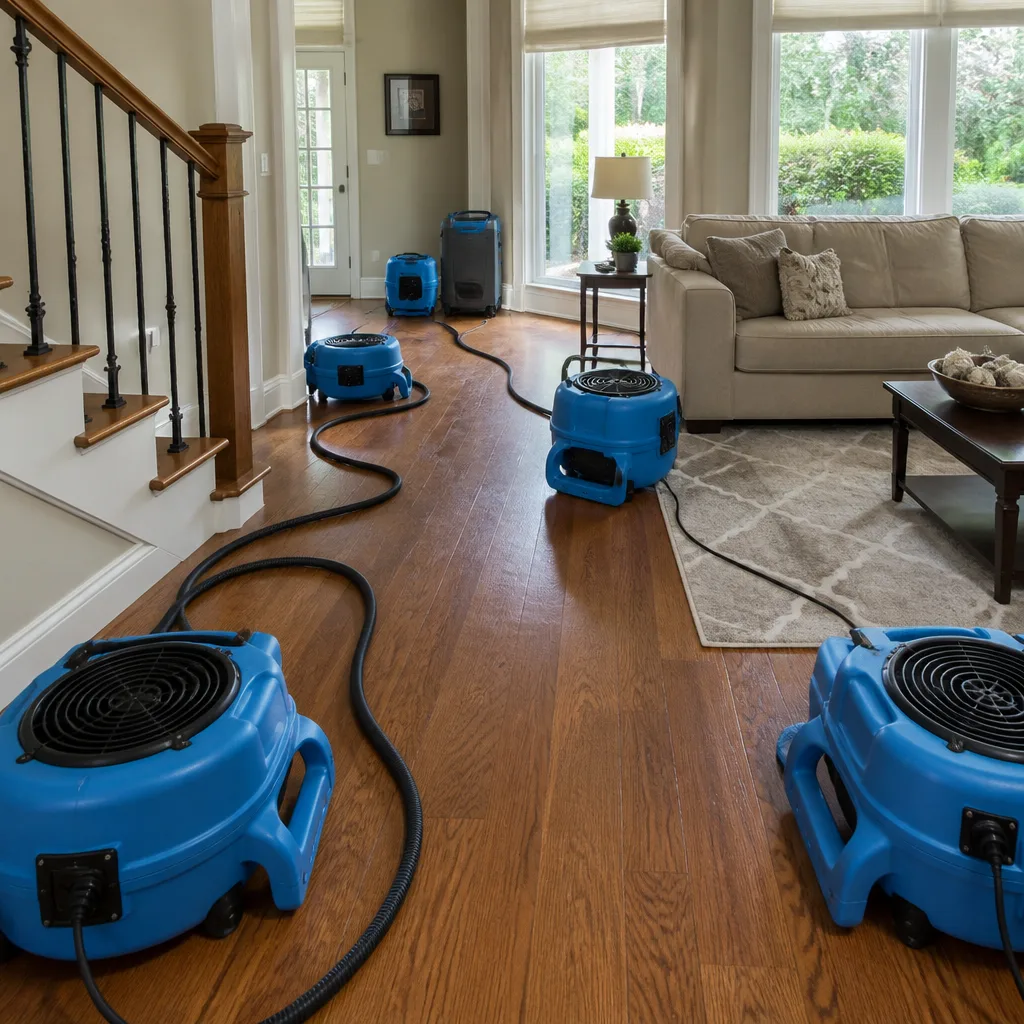
 Water damage drying
 Fire & smoke cleanup
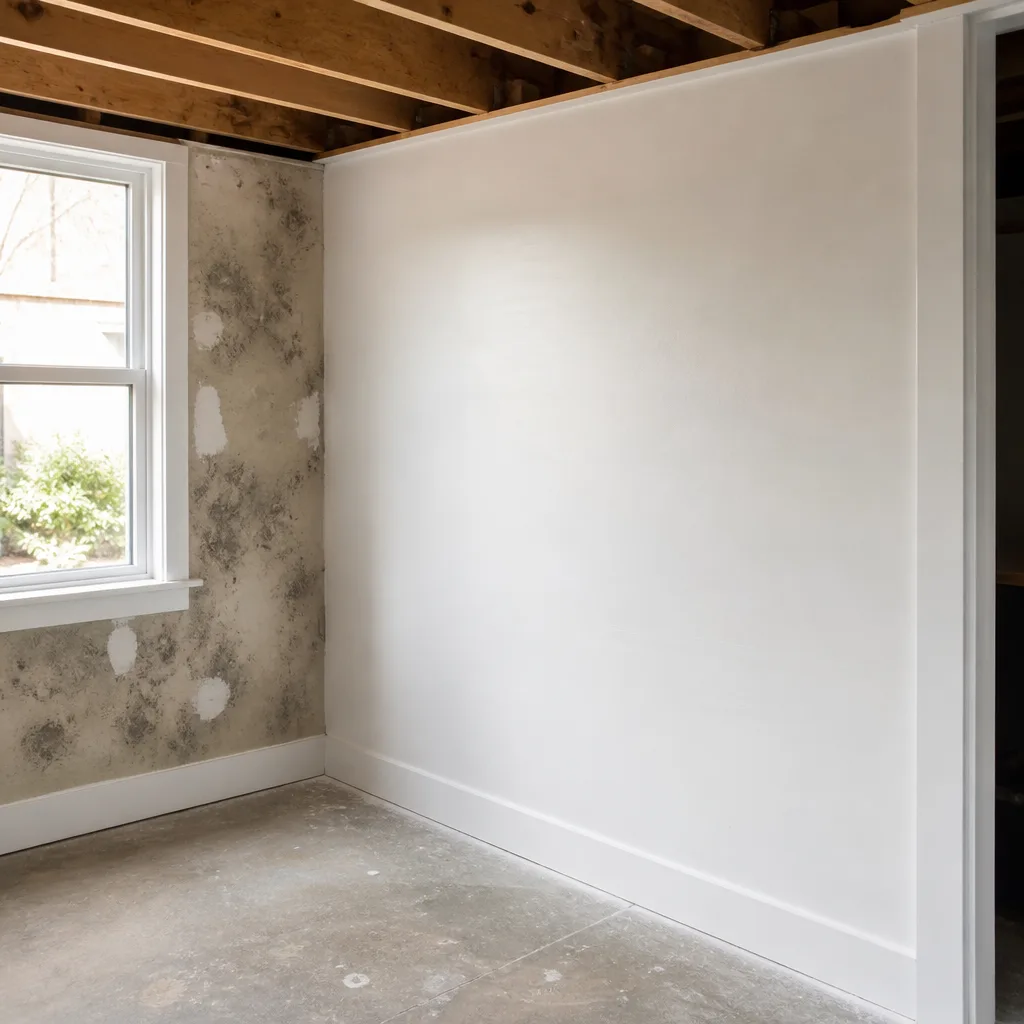 Mold remediation
 Storm response
 Sewage cleanup
 Reconstruction
Free visual inspection and a written scope of work before any mitigation begins - photos, moisture readings, and drying logs go in your claim file
The scope we write is the scope we bill. Anything new gets shown to you, in writing, before we touch it.
Get your free estimateRestoration work we handle
See the difference
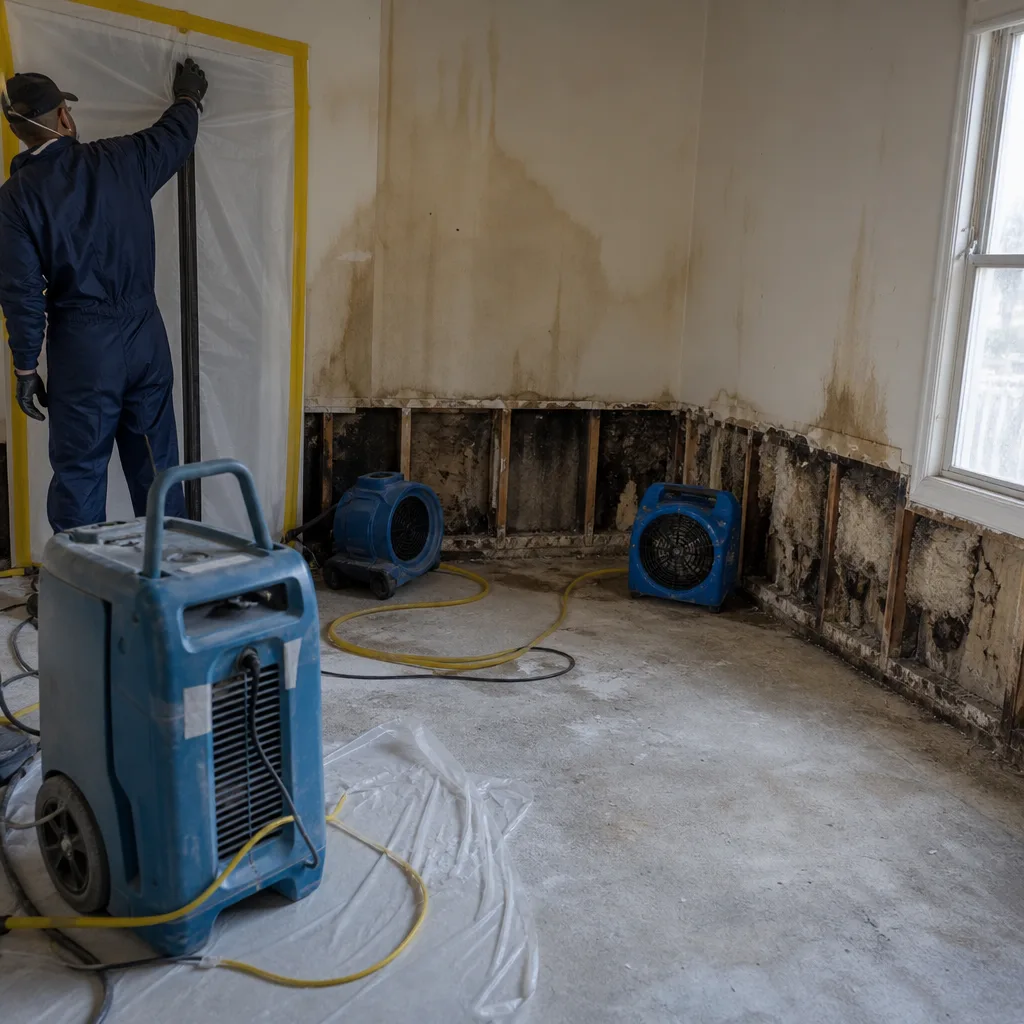 Before
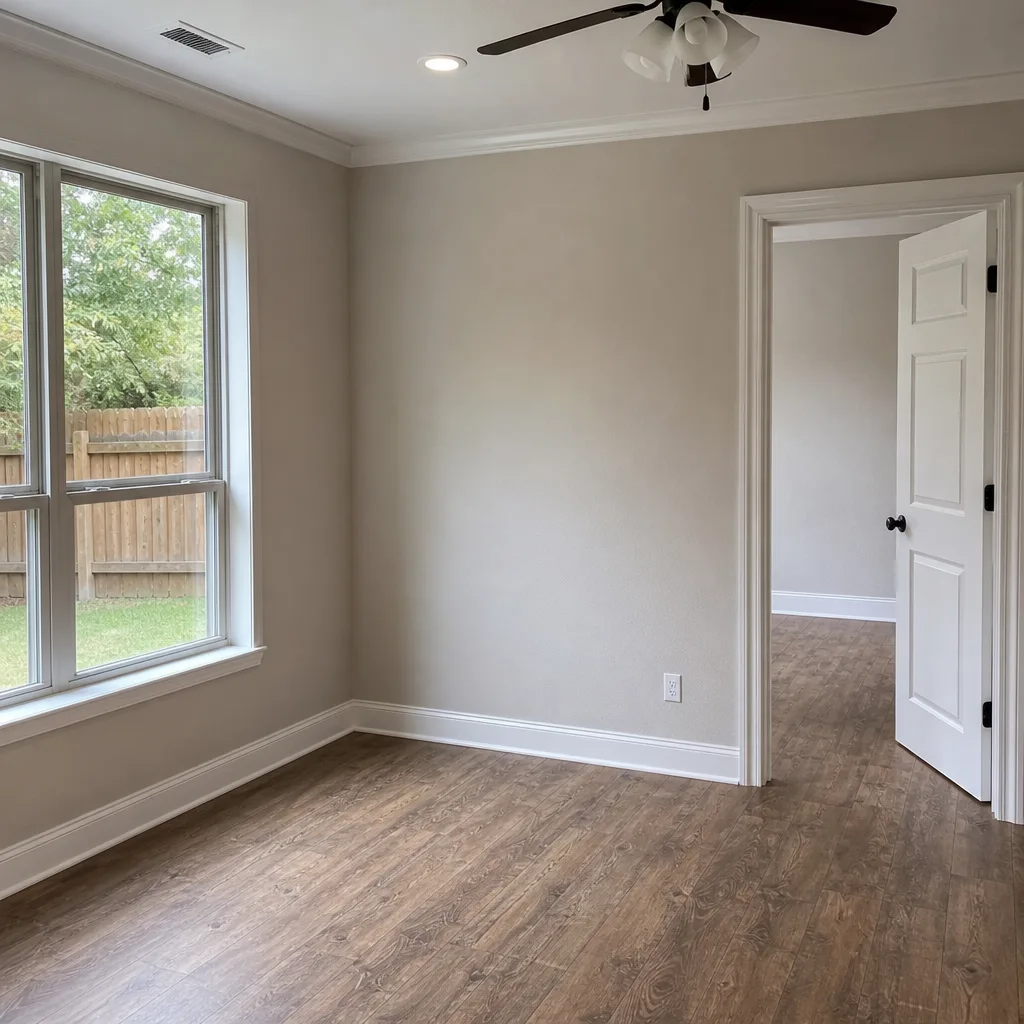 After
After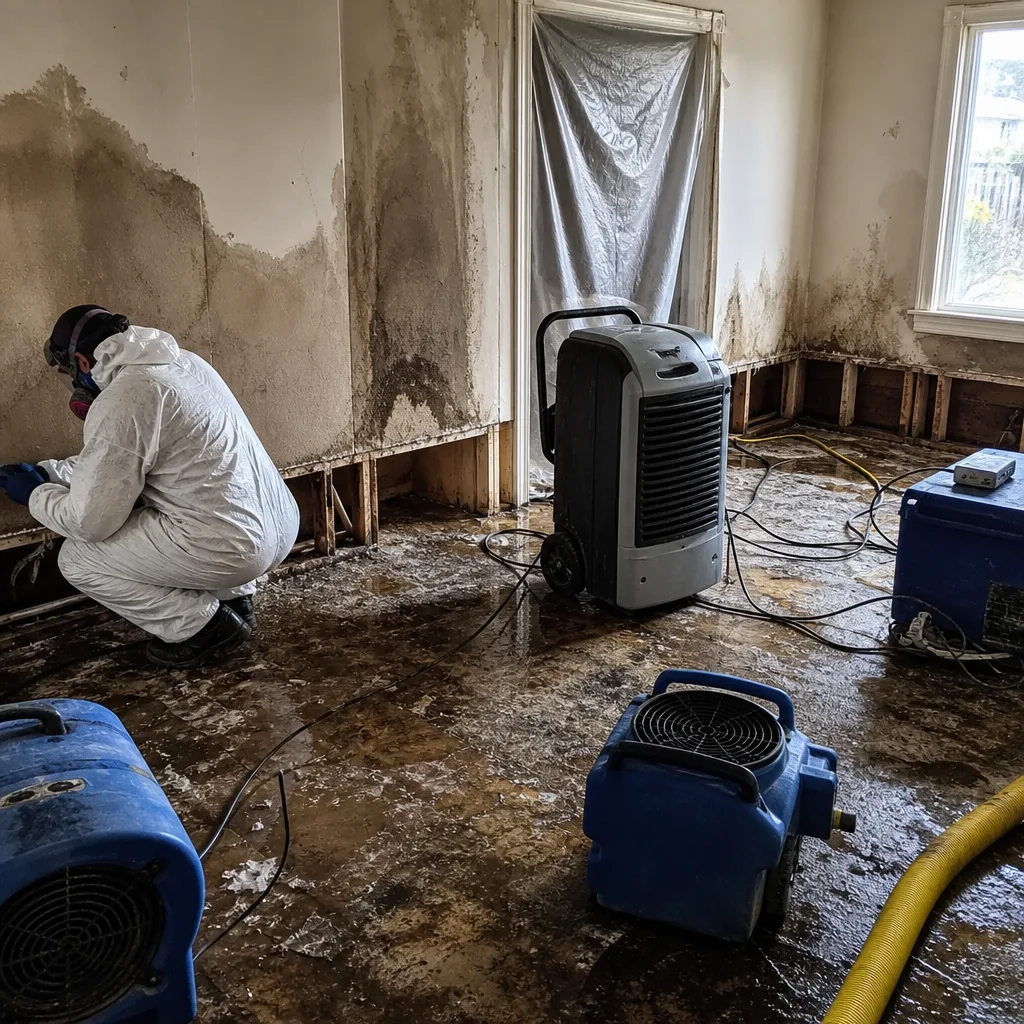 Before
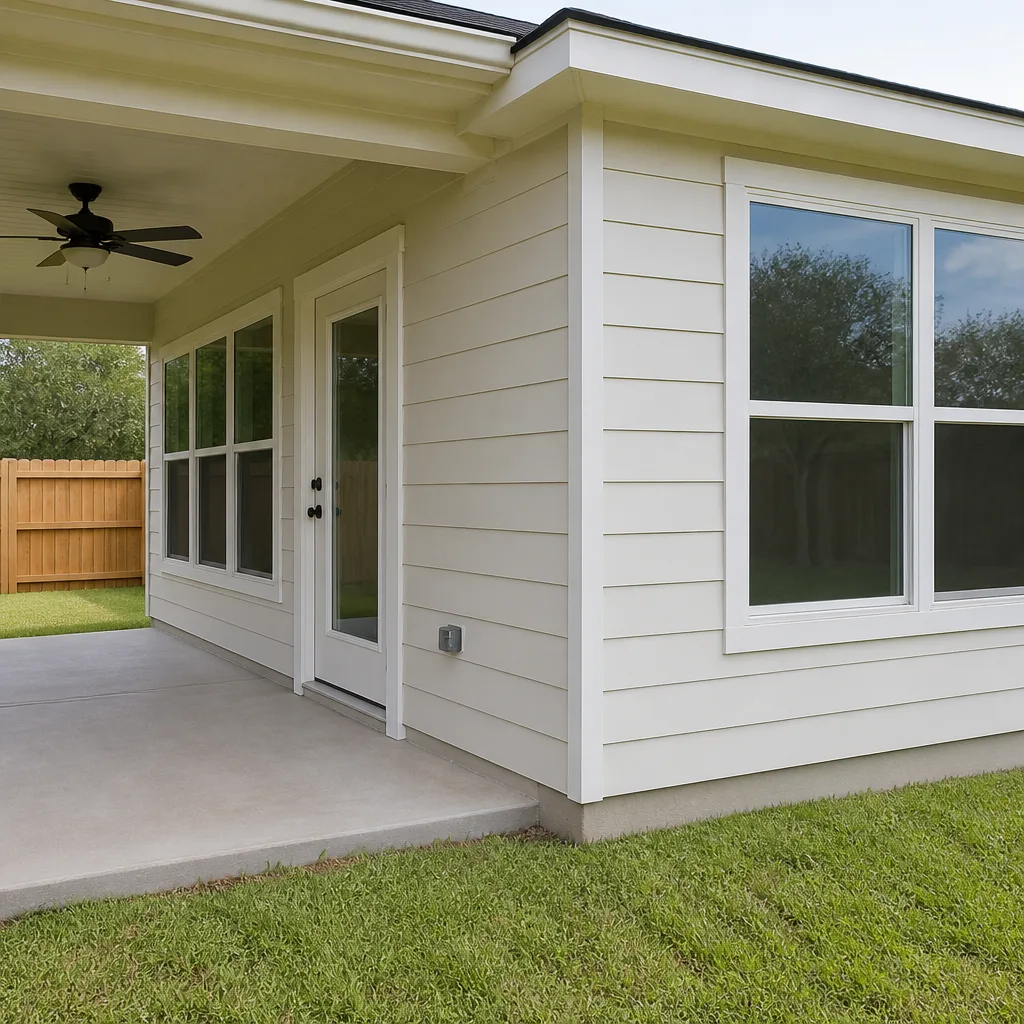 After
After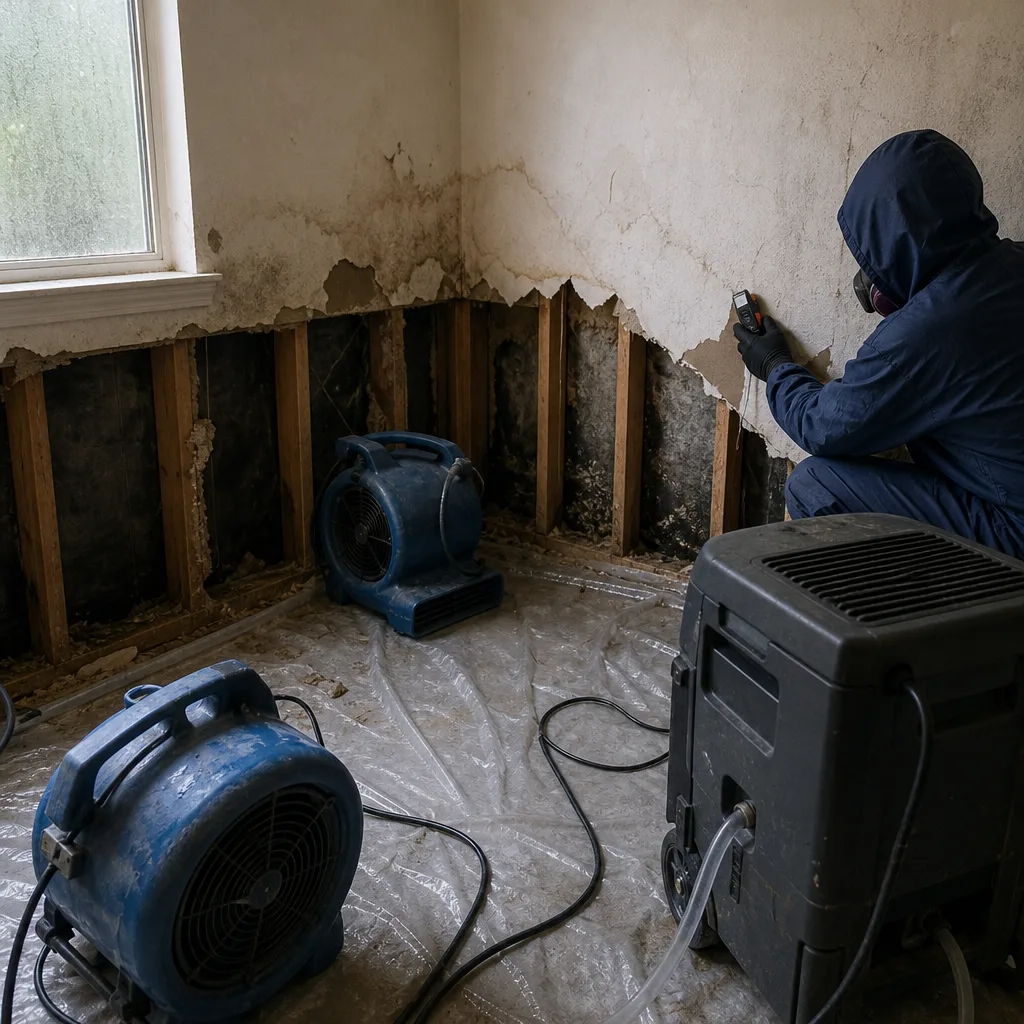 Before
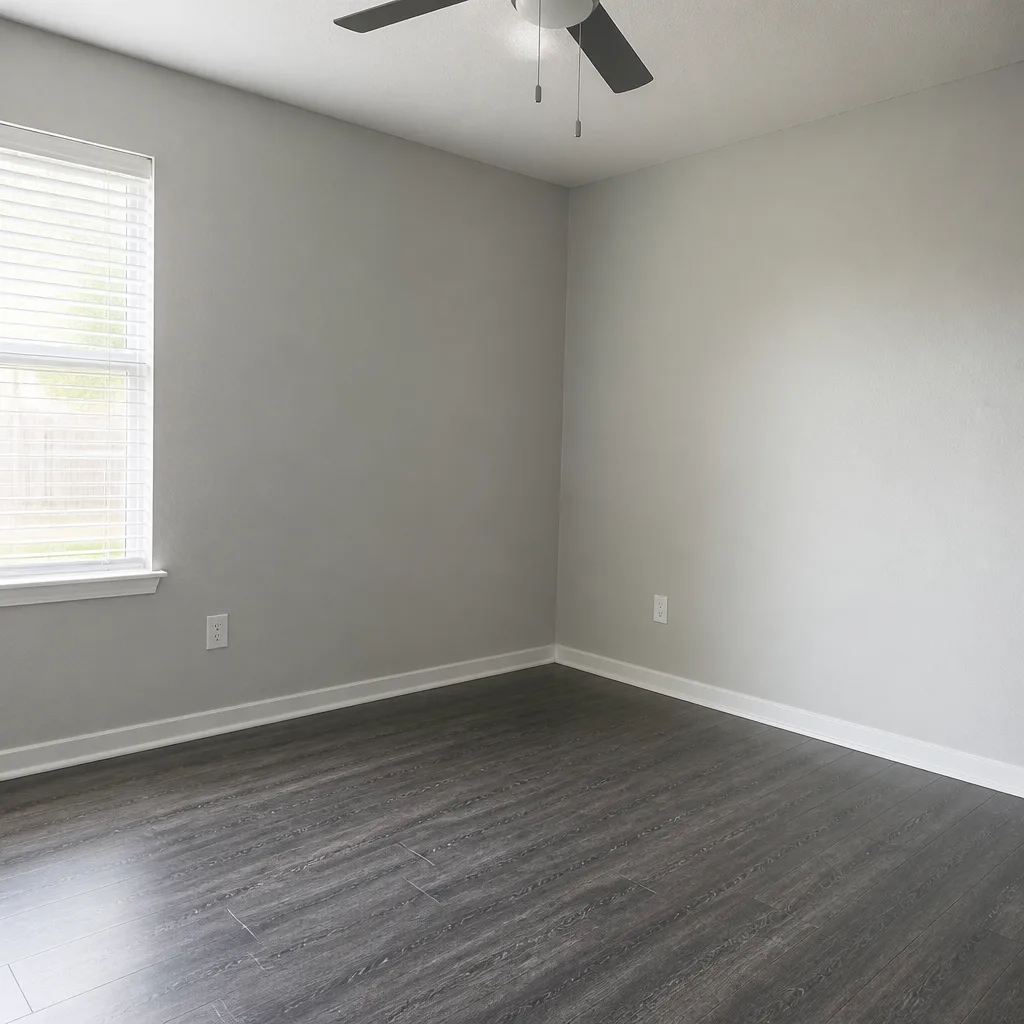 After
AfterCeiling & Roof Leak Water Damage in San Antonio, TX
A ceiling or roof leak in San Antonio usually shows up as a brown stain, peeling paint, or dripping water, and the fix involves two parts: stopping the water at the source and using our Water Damage Restoration services to dry the ceiling cavity so mold doesn’t take hold. Most ceiling leak repairs in San Antonio run between $400 and $1,800 depending on how far the water has traveled through the drywall and insulation. Our team at Tidemark Water Damage San Antonio answers the phone 24/7 at (325) 230-0537, and we’ll give you a written price before any work begins.
If you’re just starting to deal with a ceiling leak, this page covers what to expect: the signs you shouldn’t ignore, how we dry a ceiling properly, what it costs in San Antonio, and answers to the questions homeowners ask us most. For a broader look at how we handle water damage of every kind, see our Water Damage Restoration in San Antonio page. And if you want to understand the full scope of what we do, start at our home page.
When You Need Ceiling & Roof Leak Water Damage
Ceiling leaks announce themselves in ways that are easy to misread as something minor. Here’s what we tell San Antonio homeowners to watch for:
- Brown or copper-colored rings on the ceiling. This is the classic tide mark, the line water leaves behind as it pools and evaporates. In older Alamo Heights and Monte Vista homes with original plaster, you might see a faint yellowing first.
- Paint bubbling or peeling in a defined patch. When drywall absorbs water, the paint loses its bond. In humid months, like May through September in San Antonio, this can happen within 48 hours of a roof leak starting.
- A musty smell in one room that you can’t place. Water trapped between the ceiling and the floor above or in the attic soaks into insulation. Even a small roof leak near pipe flashing can create a smell that drifts through the upstairs hallway.
- Dripping, even if it’s slow. One drip every few seconds is enough to saturate drywall. By the time you see a drip, water has usually been traveling for days inside the ceiling cavity.
- Sagging or bowing drywall. This means the ceiling has absorbed enough water to lose its structural strength. If you see this, keep kids and pets out of the room and call us right away, the drywall can give way without much warning.
- Water leaking from a ceiling light fixture or ceiling fan. Water follows wiring. A leak that shows up at a can light in your living room often started at a roof penetration ten feet away, like a vent pipe or satellite dish mount.
Roof leaks in San Antonio come from a familiar set of culprits: cracked tile or shingle edges after spring hailstorms, failed flashing around chimneys and vent pipes, clogged valleys from live oak leaves in places like Terrell Hills and Olmos Park that may require Flood Cleanup, and HVAC condensate lines in attics that back up during the hottest stretch of summer. We also see flat-roof leaks on older mid-century homes around North Central San Antonio where torch-down roofing has reached the end of its service life.
Our Ceiling & Roof Leak Water Damage Process
Here’s how we handle a ceiling leak from the first call to the final walkthrough, step by step:
- We answer and ask the right questions. When you call (325) 230-0537, a live person answers, day or night. We’ll ask what you’re seeing, where the stain is, and whether water is actively dripping. That helps us bring the right equipment on the first trip.
- We find the tide mark, not just the stain. Our IICRC-credentialed technicians trace water backward from the visible damage to find how far it actually traveled. A stain on your living room ceiling often means water ran along a joist for six or eight feet before pooling. We use moisture meters and thermal imaging to see what the eye can’t.
- We protect the room before we touch anything. Shoe covers go on at the door. Drop cloths cover the floor below the work area. Furniture gets moved only with your permission, and we ask before we relocate anything. Kids’ toys, pet beds, and what matters to you stay protected.
- We stop the water at the source and extract what’s pooled. If there’s an active leak, we contain it first, sometimes that means tarping a roof area or shutting off an HVAC line. Then we extract standing water from the ceiling cavity using professional extraction tools.
- We open, dry, and monitor. Damaged drywall and wet insulation get removed carefully, then we set up drying equipment from Dri-Eaz and Phoenix to dry the joists, the subfloor above, and the surrounding ceiling. We use Injectidry mats where the water has wicked behind crown molding or into wall cavities. We check moisture levels daily until the wood reads dry.
- We clean up and show you the photo. Before the crew leaves, we take a photo of the cleaned workspace so you can see exactly what was done and how the room was left. The written price you approved before we started is the price on the invoice. Period.
Ceiling & Roof Leak Water Damage Pricing in San Antonio
Every ceiling leak is different, so we give a written price before work starts, based on what we actually find, not a generic estimate. That said, here’s what San Antonio homeowners can generally expect:
- Small stain, no active drip, minimal water travel: $400 to $800. Usually involves opening a small ceiling area, removing wet insulation, drying for two to three days, and patching.
- Moderate leak with water across several feet of ceiling: $800 to $1,500. Includes larger drywall removal, more drying equipment, and longer monitoring.
- Extensive damage or roof-related repair coordination: $1,500 to $3,000 or more. This covers large ceiling areas, structural drying, and sometimes coordinating with a roofing contractor if the leak source needs repair beyond water mitigation.
What affects the price: how far water traveled (that’s the tide mark, and it’s the first thing we look for), whether insulation needs replacement, how long the leak has been active, and whether the ceiling is standard drywall or a specialty finish like tongue-and-groove or plaster crown molding. Homes in King William and Lavaca with original plaster details sometimes cost more because matching the finish takes extra care.
We’ll walk you through the number before anything starts. No surprise line items, no pressure. If you’re weighing whether to file an insurance claim, we can document what we find with photos and moisture readings to help you make that decision. Call (325) 230-0537 for a free estimate.
FAQs – Ceiling & Roof Leak Water Damage
How much does ceiling water damage repair cost in San Antonio?
Most ceiling water damage repairs in San Antonio run between $400 and $1,800, with the average homeowner paying around $900 for a moderate leak that requires drywall removal and drying. Extensive damage that involves structural drying or coordination with a roofing contractor can exceed $3,000. You’ll see your written price before any work starts when you call (325) 230-0537.
Can you fix a ceiling leak the same day in San Antonio?
Yes, in most cases we can respond the same day and begin containment, Emergency Water Extraction, and drying within hours of your call. Our crews are on call around the clock because a ceiling leak that’s actively dripping is doing more damage every hour. Call (325) 230-0537 and a live person will get a team headed your way.
Is a ceiling leak covered by homeowners insurance?
Most homeowners policies in Texas cover sudden and accidental water damage from sources like roof leaks caused by storms, so a ceiling leak from a hailstorm-damaged roof is typically a covered loss. Slow leaks that developed over weeks or months are often denied because insurers consider them maintenance issues. We document everything with photos and moisture readings, which helps whether you file a claim or pay out of pocket.
Do I need to replace the drywall if my ceiling got wet?
Not always. Drywall that got wet but dried quickly, within 24 to 48 hours, can often be saved with proper drying equipment. Drywall that has been wet for days, is sagging, or has visible mold growth needs to be cut out and replaced. A tide mark is the line water leaves on a wall, and the first thing our technicians check is whether water sat long enough to compromise the material.
How long does it take to dry out a ceiling after a leak?
Most ceiling cavities dry in two to four days using Structural Drying & Dehumidification equipment from Dri-Eaz and Phoenix, which pull moisture from the wood and drywall at a rate household fans can’t match. The exact time depends on how much water was absorbed and how humid the air is, and San Antonio’s summer humidity can add a day or two. We take daily moisture readings and show you the numbers.
Do you use products that are safe for pets and kids?
We use pet-safe drying agents where there is a choice, and we run equipment at lower-decibel settings during school hours and nap time when we know children are in the house. Our crews are background-checked and uniformed, and they treat your home the way they’d treat their own. If you have a dog who’s anxious around strangers, tell us, and we’ll work around that too.
Why San Antonio Homeowners Call Tidemark Water Damage
Tidemark Water Damage San Antonio is independently owned and operated, working to the Cedarwell Care Promise. What that means, in practical terms, is this: the written price comes before the work, every time. If the restoration is not done right, we make it right under the 365-Day Done Right Promise. And because we’re local, we know the particular ways San Antonio homes leak, from clay tile roofs in Terrell Hills to flat roofs in North Central to the HVAC condensate issues that spike every August.
Rick Sumner and our IICRC-, RIA-, and IFA-credentialed technicians arrive in uniform with shoe covers and drop cloths already on the truck. The drying equipment we set up carries the same brand names you’ll find at leading restoration specialists nationwide: Dri-Eaz, Phoenix, and Injectidry. But the difference is how we treat your home while that equipment runs. We ask before we move things. We keep noise considerate. We clean up before we leave, and we show you the photo to prove it.
If you’ve got a stain spreading across your ceiling, a drip that won’t stop, or a musty smell you can’t place, call (325) 230-0537. A real person answers. We’ll talk through what you’re seeing, give you a straight answer about what it likely means, and schedule a visit with a written price before any work begins.
Written by Rick Sumner, Owner at Tidemark Water Damage San Antonio, serving San Antonio.