

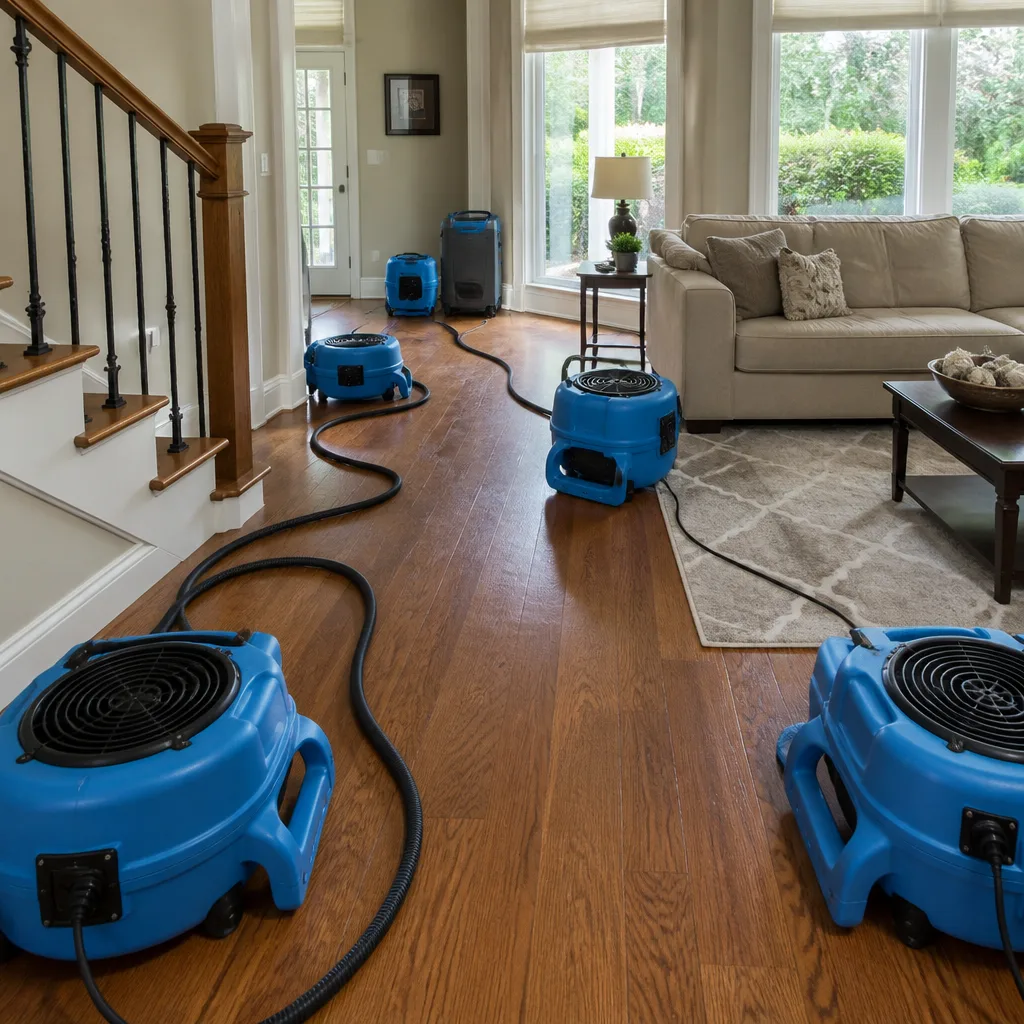
 Water damage drying
 Fire & smoke cleanup
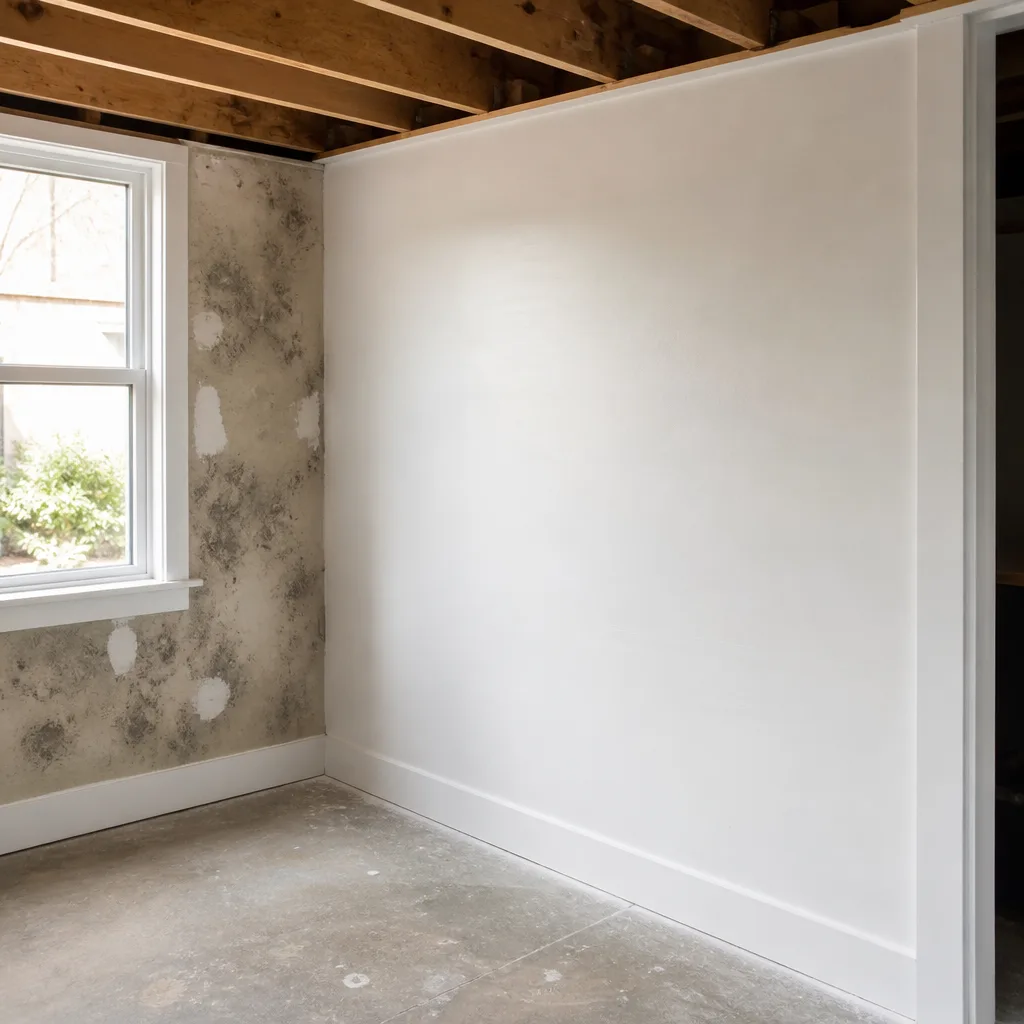 Mold remediation
 Storm response
 Sewage cleanup
 Reconstruction
Free visual inspection and a written scope of work before any mitigation begins - photos, moisture readings, and drying logs go in your claim file
The scope we write is the scope we bill. Anything new gets shown to you, in writing, before we touch it.
Get your free estimateFast, Reliable Mold Remediation Across Castle Hills
Mold in a Castle Hills home rarely starts where you spot it. Those dark spots on a bathroom ceiling or that musty closet smell usually trace back to moisture moving through slab cracks, behind baseboards, or inside wall cavities where the clay soil under your foundation keeps pushing and pulling at the structure. We respond to Castle Hills calls the same day, because the difference between a small mold patch and a spread-through-the-wall problem is often just a few days of warm, humid air. Call (325) 230-0537 and a live person answers, any hour.
Why Tidemark Water Damage San Antonio Is Castle Hills’s Preferred Mold Remediation Company
Rick Sumner leads our team, and he built our Castle Hills response around one rule: we explain the price before the first tool comes off the truck. Homeowners here have told us the worst part of mold work is not the mold itself. It is the fear that the crew will “find more” mid-job and the invoice will double without warning. So we write the scope, the price, and the plan on paper before work starts. That is how the Cedarwell Care Promise works at every location. No surprises. Shoe covers go on at the door, drop cloths cover the floor before equipment comes in, and you get a photo of the finished cleanup before we leave.
Our technicians carry IICRC, RIA, and IFA credentials. We run professional-grade drying equipment from Dri-Eaz, Phoenix, XPOWER, B-Air, and Injectidry. But in Castle Hills specifically, what matters most is that we understand the foundation. This is a clay-soil city. Mold work here is not just about drying a wet wall. It is about reading the signs of slab movement, tracing where moisture actually traveled, and treating the framing, not just the drywall. Most national franchises do not spend that time on the structural piece.
Written by Rick Sumner, Owner at Tidemark Water Damage San Antonio, serving Castle Hills residents with mold remediation, water damage restoration, and fire damage restoration.
Restoration work we handle
Bathroom Mold Removal in Castle Hills
Bathroom mold removal in Castle Hills homes built from the 1960s onward almost always involves more than scrubbing tile. Those older slab-on-grade bathrooms often have hidden moisture behind the tile surround, wicking up from minor slab cracks or failed grout lines that never quite dry in Castle Hills’ humid summer air. A typical bathroom mold job here runs $450 – $1,200 for containment, removal of affected drywall or tile backing, antimicrobial treatment, and drying. If the mold has moved into the wall cavity and framing, expect $1,500 – $3,800 depending on how much wall has to come out and whether the shower valve or drain line needs repair.
What We Check Behind the Tile
When a Castle Hills homeowner calls about recurring bathroom mold or that musty smell that comes back two weeks after cleaning, we look behind the surface. We pull moisture readings from the drywall at the base of the tub and the wall behind the vanity. In bathrooms on exterior walls, we check the slab edge and the bottom plate of the framing. The question is never just “is there mold here” but “where is the water that is feeding it.”
Treating, Not Masking
We do not paint over bathroom mold. The affected drywall or tile backer comes out, the framing gets an antimicrobial treatment, and we dry the cavity to a documented standard before any rebuild. You see drying logs and photos. The goal is that the mold does not return in the same spot next spring.
Mold Removal Service in Castle Hills
Our mold removal service for Castle Hills starts with a question most companies skip: is this mold coming from a foundation-related moisture source or from a plumbing leak or humidity issue? In this city, that answer changes the whole job. A visible mold colony on a hallway wall near a diagonal door-corner crack often traces to slab movement and slow water intrusion along the crack line. A bathroom ceiling colony usually comes from an exhaust fan that is underpowered or a roof flashing leak. Mold removal itself in Castle Hills runs $2,000 – $6,500 for a contained room job, and $6,000 – $15,000 when multiple rooms or the crawl space are involved. You see the written number before we start.
Containment and Air Quality
We set up plastic containment, run negative air pressure with HEPA filtration, and remove affected materials without spreading spores through your HVAC system. Older Castle Hills single-story homes with central return ducts close to the work area get extra attention here. That is not an upsell. It is a standard step.
What We Remove, What We Treat
Moldy drywall comes out. Moldy framing gets sanded, vacuumed, and treated with an antimicrobial agent registered for that surface. Insulation that soaked up moisture goes too. Then the drying equipment runs until the moisture readings in the slab-adjacent drywall and the framing tell us the cavity is truly dry, not just the air in the room.
Trusted Brands We Service in Castle Hills
Castle Hills homeowners often ask what equipment shows up at their door. Our crews run Dri-Eaz dehumidifiers, Phoenix air movers, XPOWER air scrubbers, and Injectidry systems for tight cavity drying. Those are the machines restoration professionals trust, and they matter in a city where drying the wall cavity behind the baseboard is the whole job. We keep parts and consumables stocked for Castle Hills-area jobs, which means we are not waiting on a supplier run when your bathroom is open and drying.
See the difference
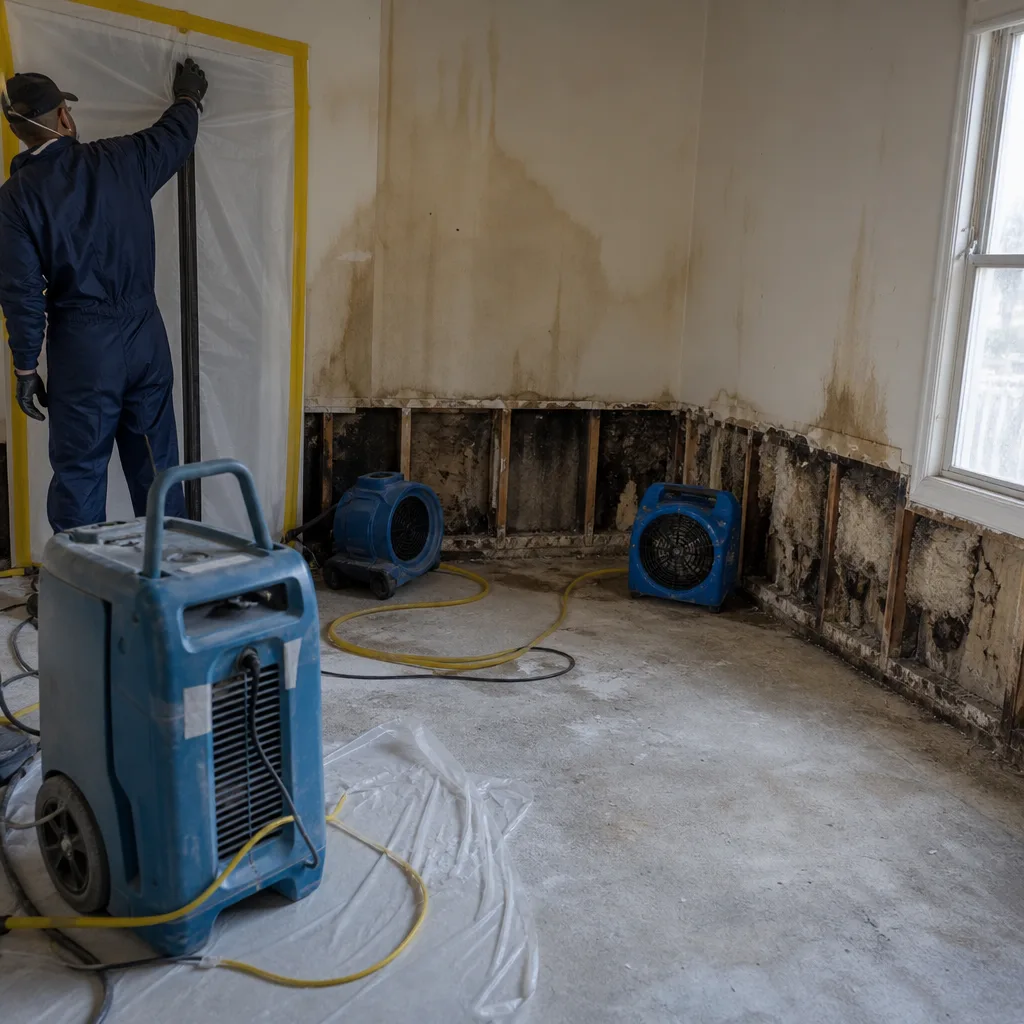 Before
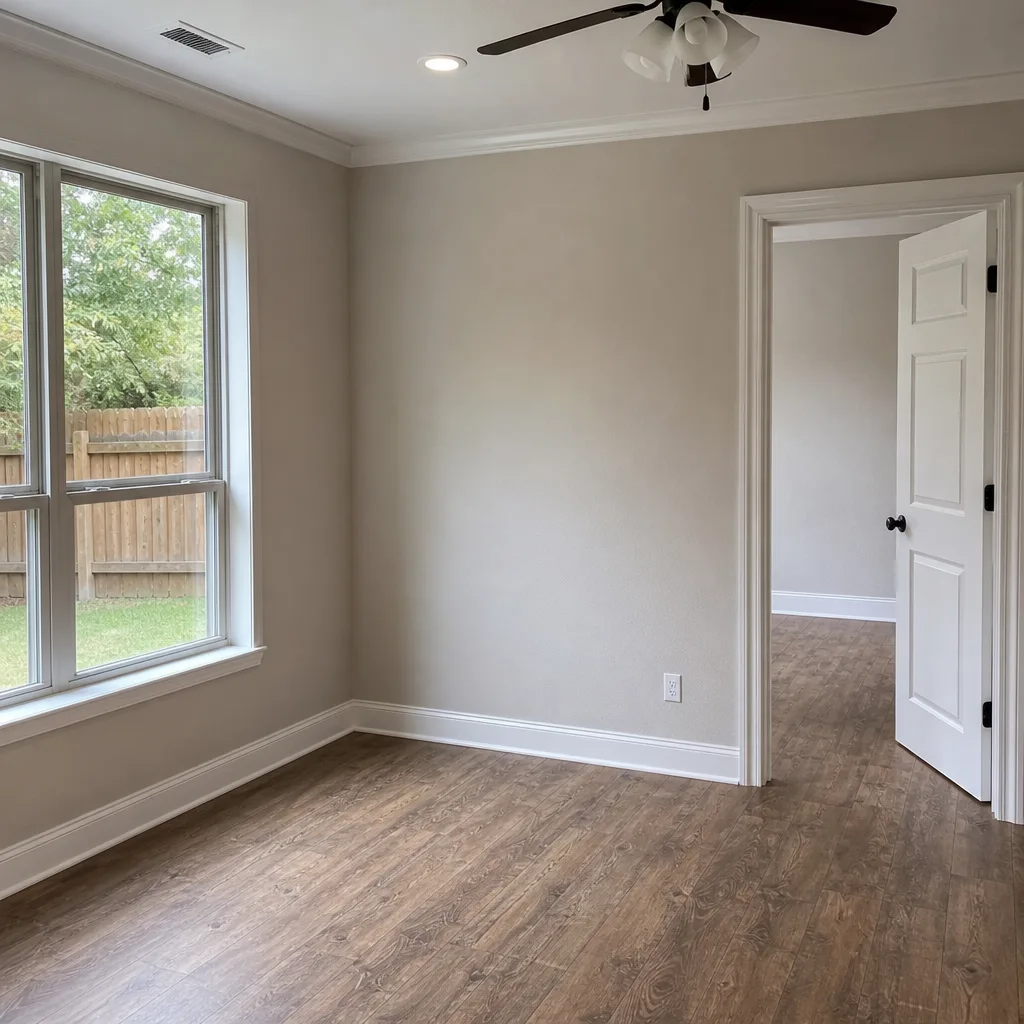 After
After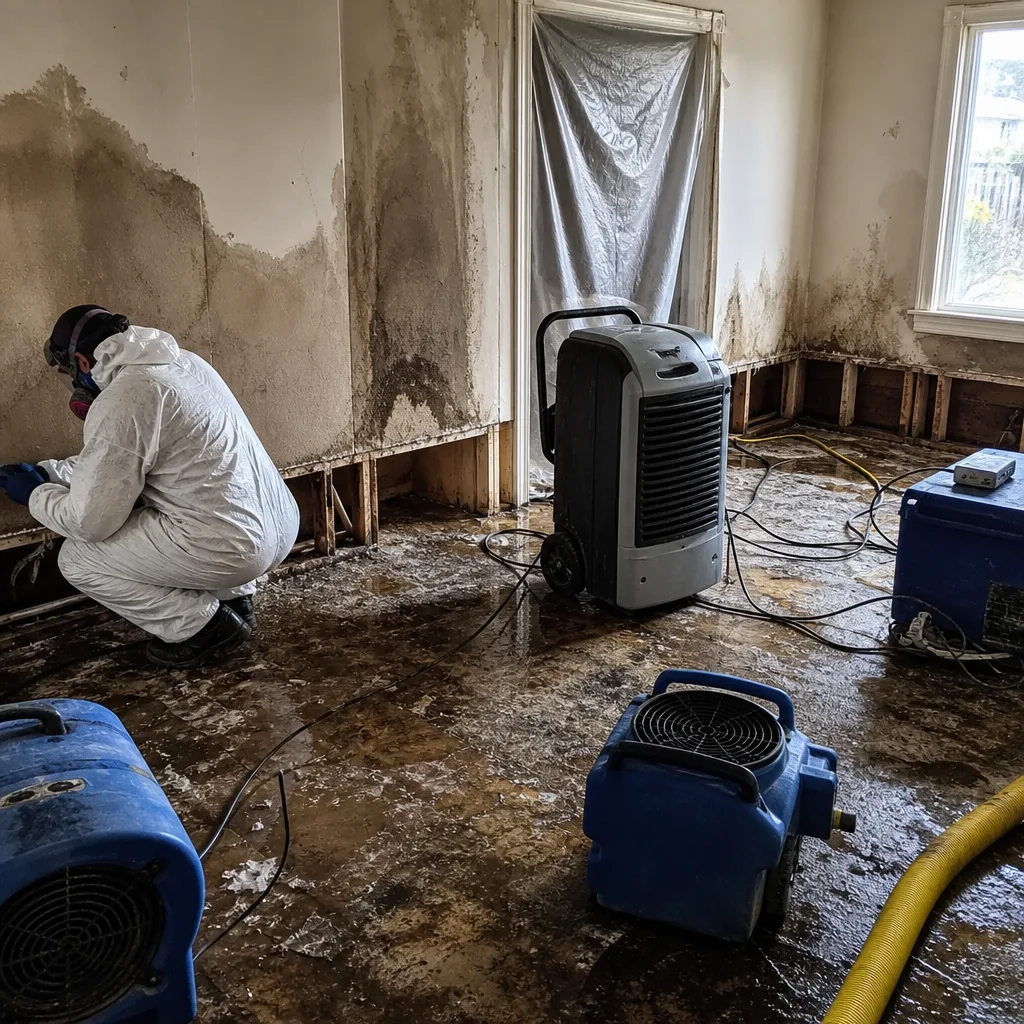 Before
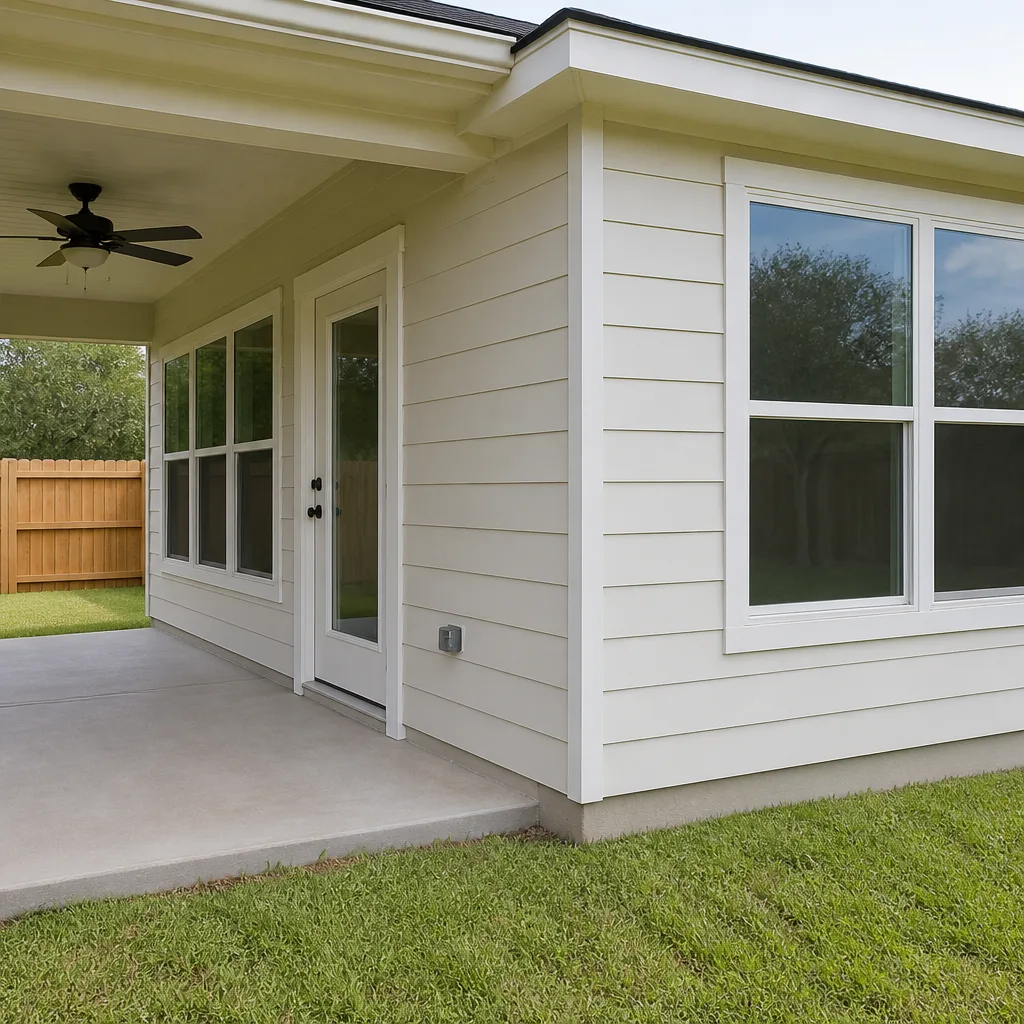 After
After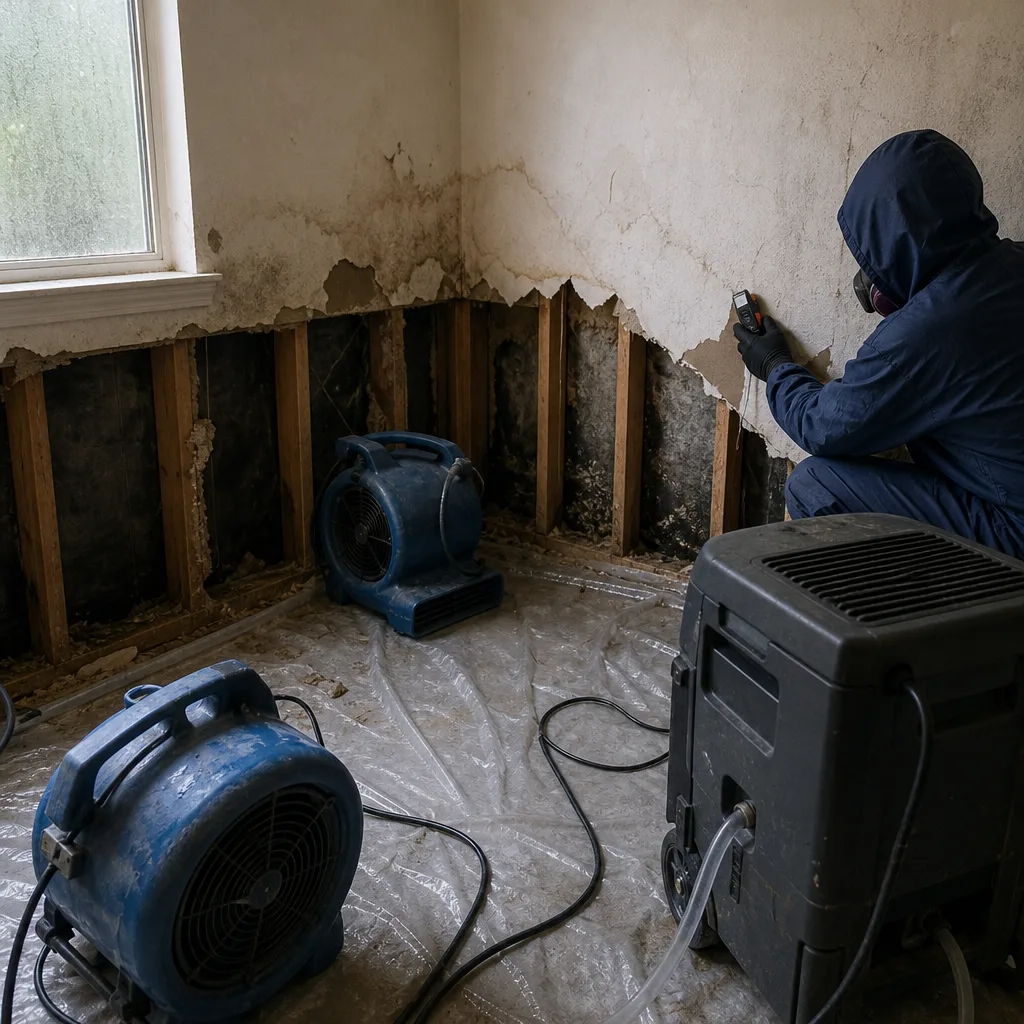 Before
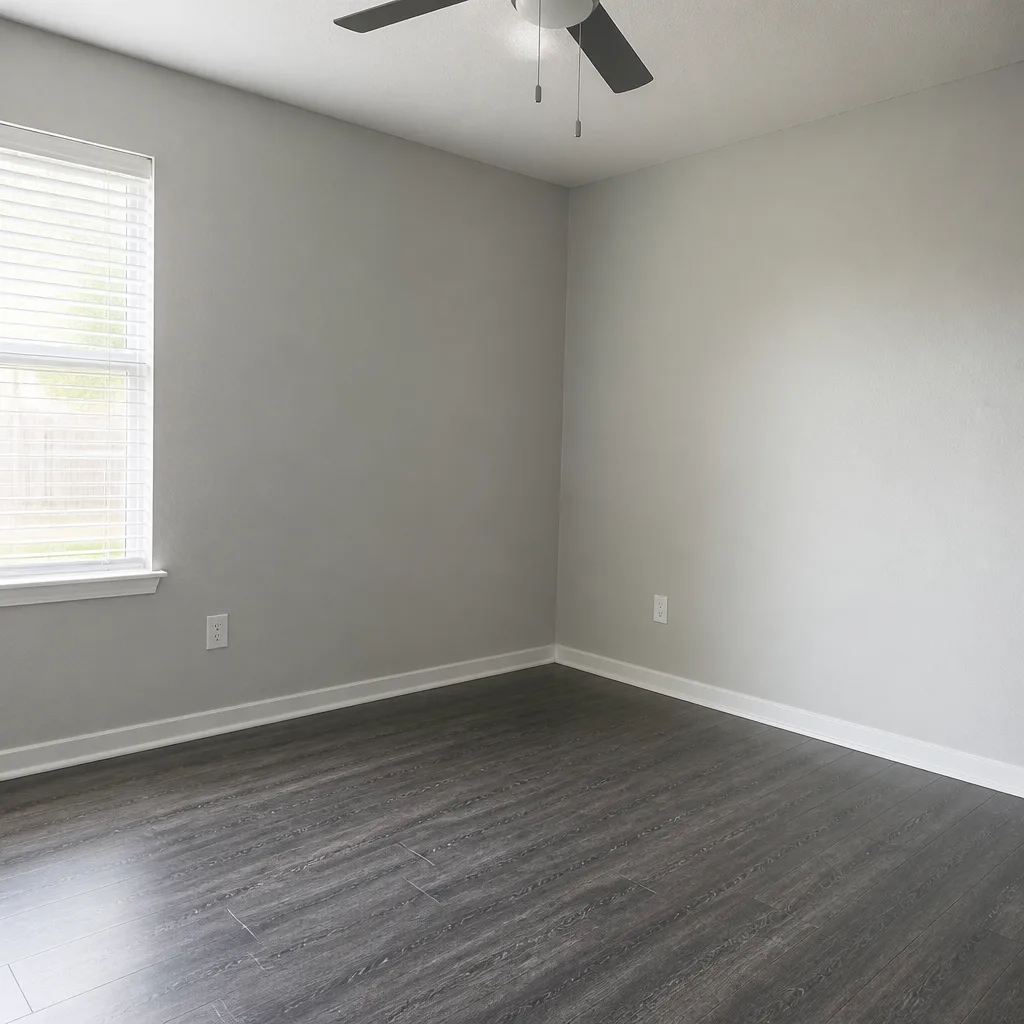 After
AfterCommon Mold Remediation Problems We See in Castle Hills Homes
- Moisture behind baseboards along slab cracks. Castle Hills’ expansive clay soil pushes and shifts under the slab, and water follows the cracks. Mold often grows behind the baseboard where nobody sees it until the mustiness spreads. Our moisture mapping follows the slab edge, not just the visible stain.
- Brick-veneer separation at window frames. That gap between the brick and the window frame is a Castle Hills signature. It lets humidity and rain water into the wall cavity from the outside while the slab pushes from below. We check these points on every mold assessment in this city.
- Hidden mold in wall cavities after “surface only” cleanups. Some companies wipe the visible mold and call it done. In an older Castle Hills home with old wood framing, the spores stay in the wood and the mold returns. Antimicrobial treatment on the framing is not optional here.
- HVAC cross-contamination during mold work. Single-story Castle Hills homes often have supply and return runs close together near interior wall cavities. If mold removal happens without proper containment, spores circulate through the whole house. Negative air pressure and sealed returns prevent that.
Pricing for Mold Remediation in Castle Hills, TX
We Also Serve Cities Near Castle Hills
Beyond Castle Hills, our Mold Remediation team regularly works in San Antonio, Schertz, New Braunfels, and Fair Oaks Ranch. Mold does not respect city limits, and neither does our response area.
Serving Castle Hills, TX - Our Local Coverage Area
We’re based in the Castle Hills area and know this community well. Use the map below to see our service coverage - if you’re nearby, we can almost certainly help.
FAQs About Mold Remediation in Castle Hills
Expansive clay soils under Castle Hills slabs swell when wet and shrink when dry, which moves the slab in small but repeated cycles. Those cycles open hairline cracks along the slab edges and under interior walls. Moisture from plumbing leaks, rain, or groundwater follows those cracks and wicks up into the drywall and framing above. In a climate with hot, humid summers, that moisture is enough to support hidden mold inside wall cavities. A direct answer: yes, your foundation soil is a mold trigger here, and that is why we check the slab edge on every mold call. Call (325) 230-0537 to schedule an assessment.
Do not ignore the combination. A diagonal crack at a door corner in Castle Hills is often the first visible sign of slab movement, and the mustiness means moisture has entered the wall cavity somewhere along that movement path. You do not need to panic, but you do need a professional moisture map, not just a visual look. We will run moisture readings along the slab edge, behind the baseboard, and in the wall cavity to find the water before we talk about mold removal. Call (325) 230-0537 and we will walk you through it.
Yes, you should have it checked. 1960s Castle Hills bathrooms on slab foundations often have original tile work with failing grout or mud beds that have been absorbing moisture for decades. The slab under those bathrooms may also have fine cracks that wick groundwater upward into the tile substrate. Mold behind tile does not dry out on its own in this climate. We can test for moisture behind the tile without ripping it out first, then tell you honestly whether it needs full removal or spot treatment.
Category 3 water is grossly contaminated, and in a Castle Hills slab home it usually means a sewage backup that sat in a floor drain or a broken drain line under the slab. We treat it with full containment, negative air pressure, and removal of any porous material the water touched, including drywall, insulation, and sometimes carpet pad and baseboards. The affected framing gets antimicrobial treatment after removal. You get photo documentation and drying logs. This is not a job for bleach and a fan. Call (325) 230-0537 and we will start with a written scope, not a guess.
Mold on drywall is usually contained by cutting out the affected sheet and replacing it. Mold on framing is different. The wood has absorbed moisture deeply, especially if it sat against a slab crack or a slow leak for a long time. Older Castle Hills framing wood can be more porous, so it holds spores deeper and needs sanding, HEPA vacuuming, and antimicrobial treatment to keep the mold from regrowing after the wall is closed back up. That is why we never just treat the drywall surface and move on.
If you have mold questions in Castle Hills, call (325) 230-0537. A live person answers, and we will help you figure out the next step without pressure. Written price first, every time.
Written by Rick Sumner, Owner at Tidemark Water Damage San Antonio, serving Castle Hills with the Cedarwell Care Promise: written price first, pet-safe products, and a 365-Day Done Right Promise.