

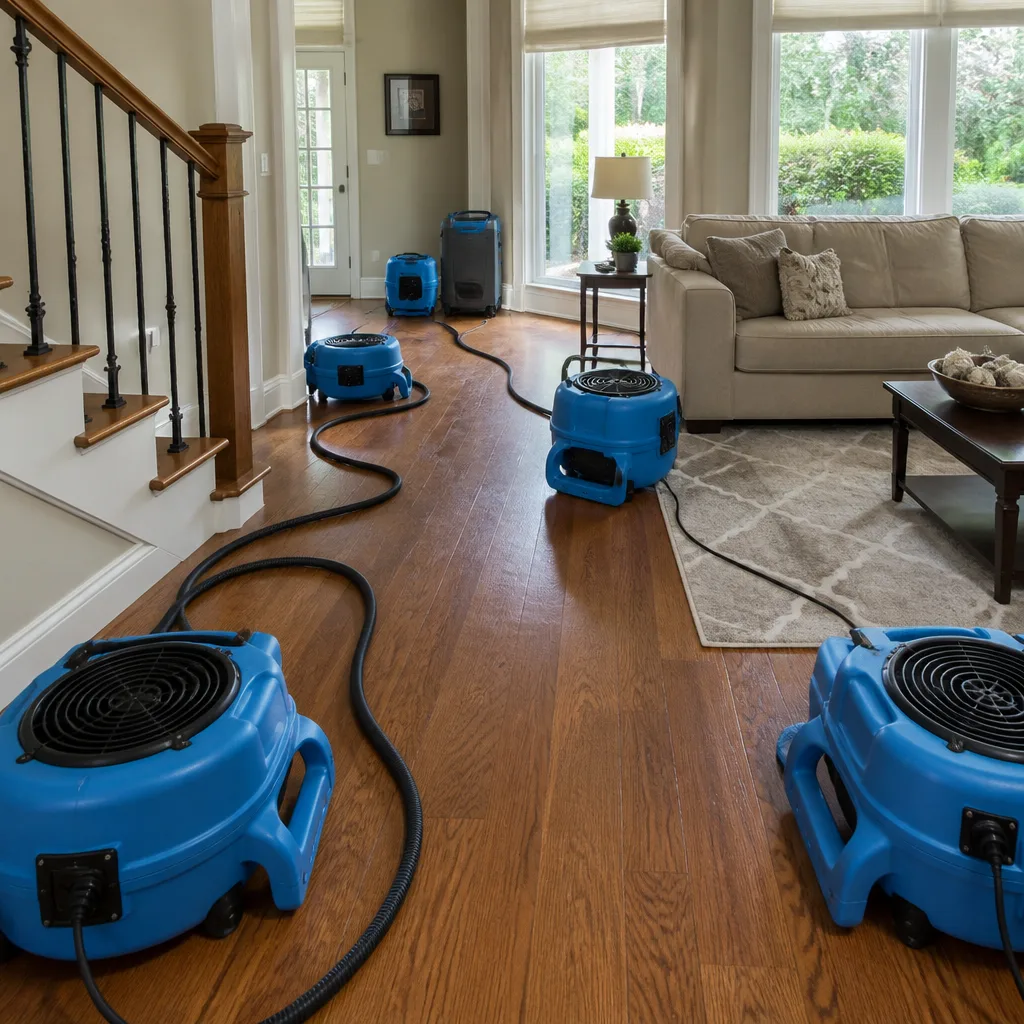
 Water damage drying
 Fire & smoke cleanup
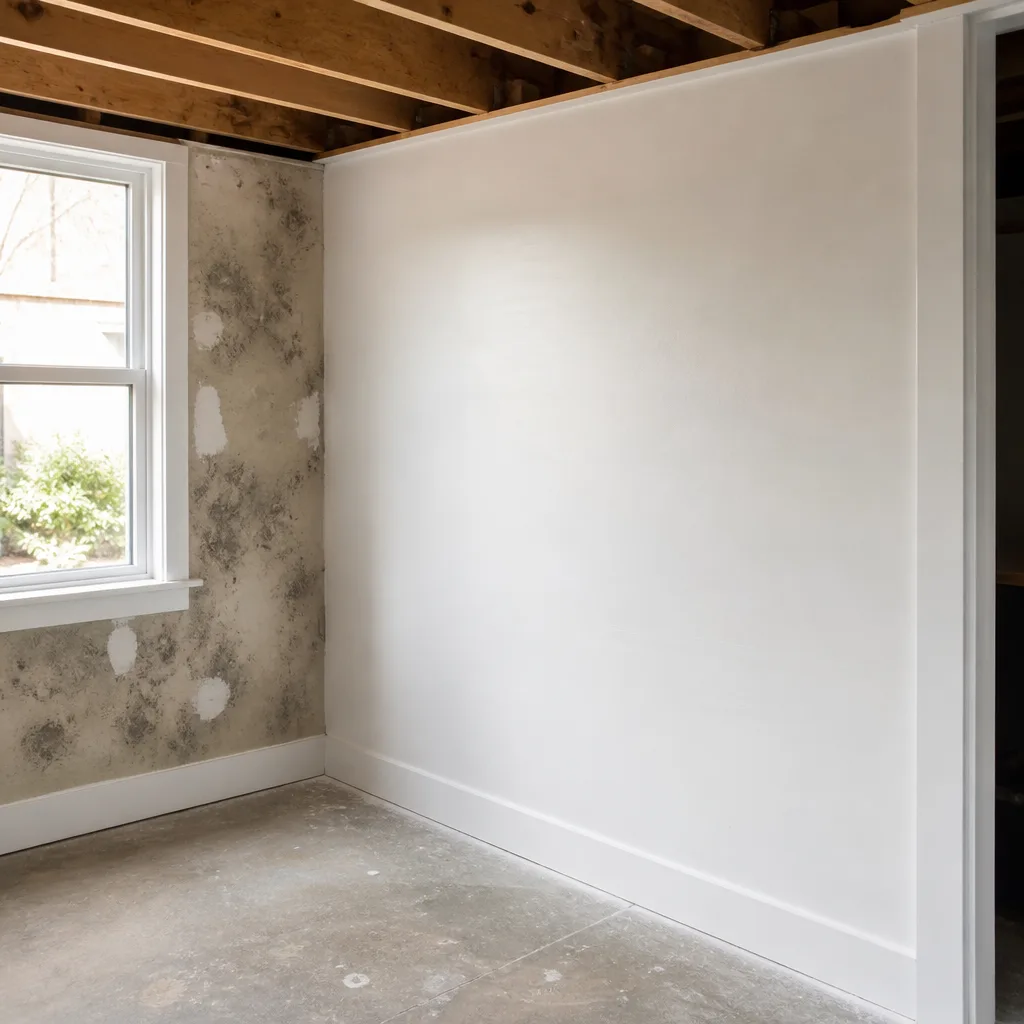 Mold remediation
 Storm response
 Sewage cleanup
 Reconstruction
Free visual inspection and a written scope of work before any mitigation begins - photos, moisture readings, and drying logs go in your claim file
The scope we write is the scope we bill. Anything new gets shown to you, in writing, before we touch it.
Get your free estimateRestoration work we handle
See the difference
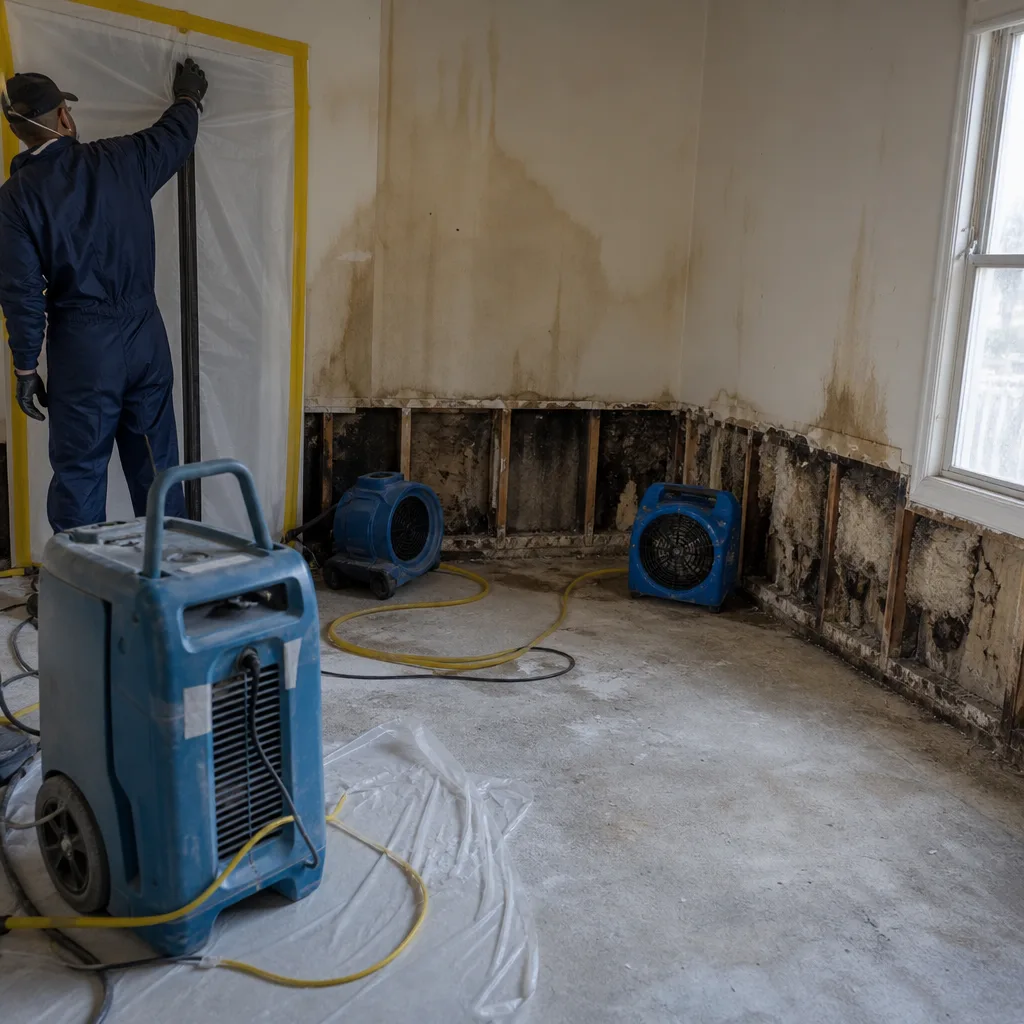 Before
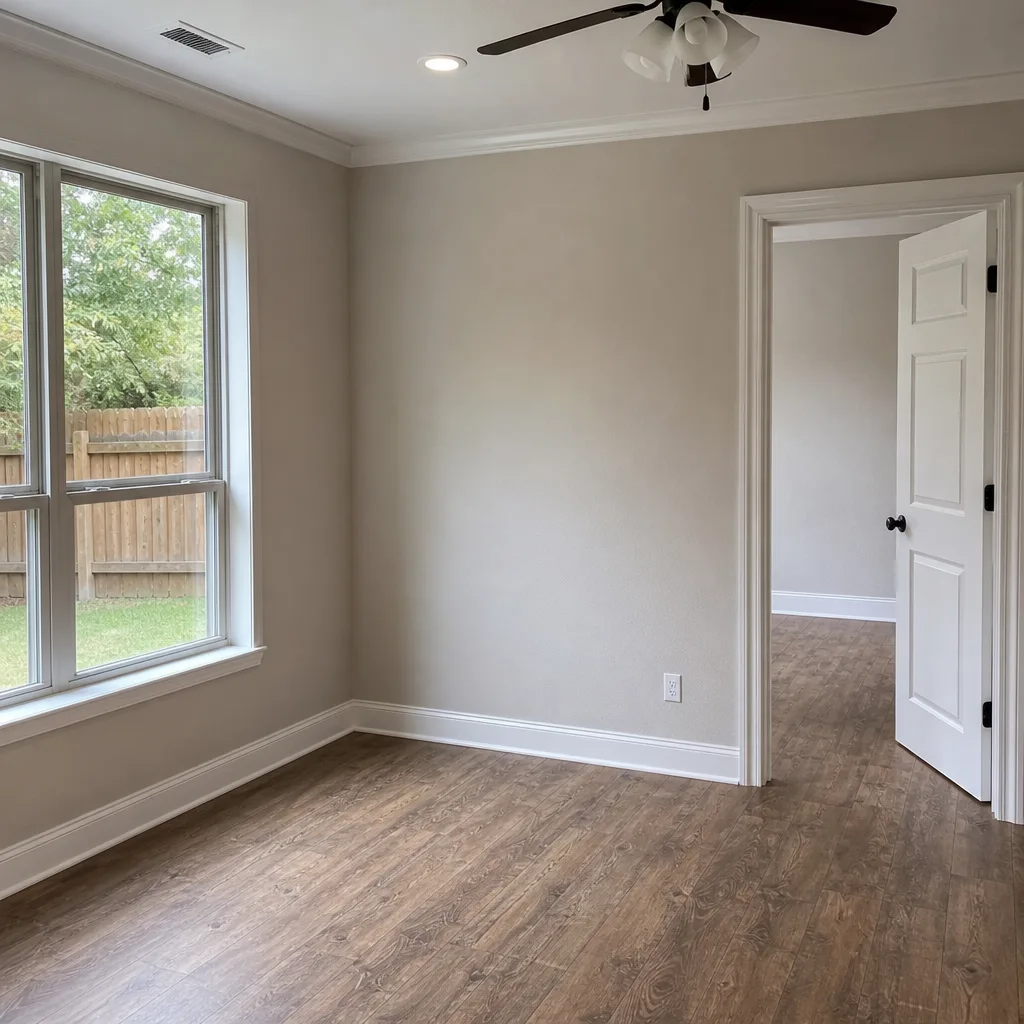 After
After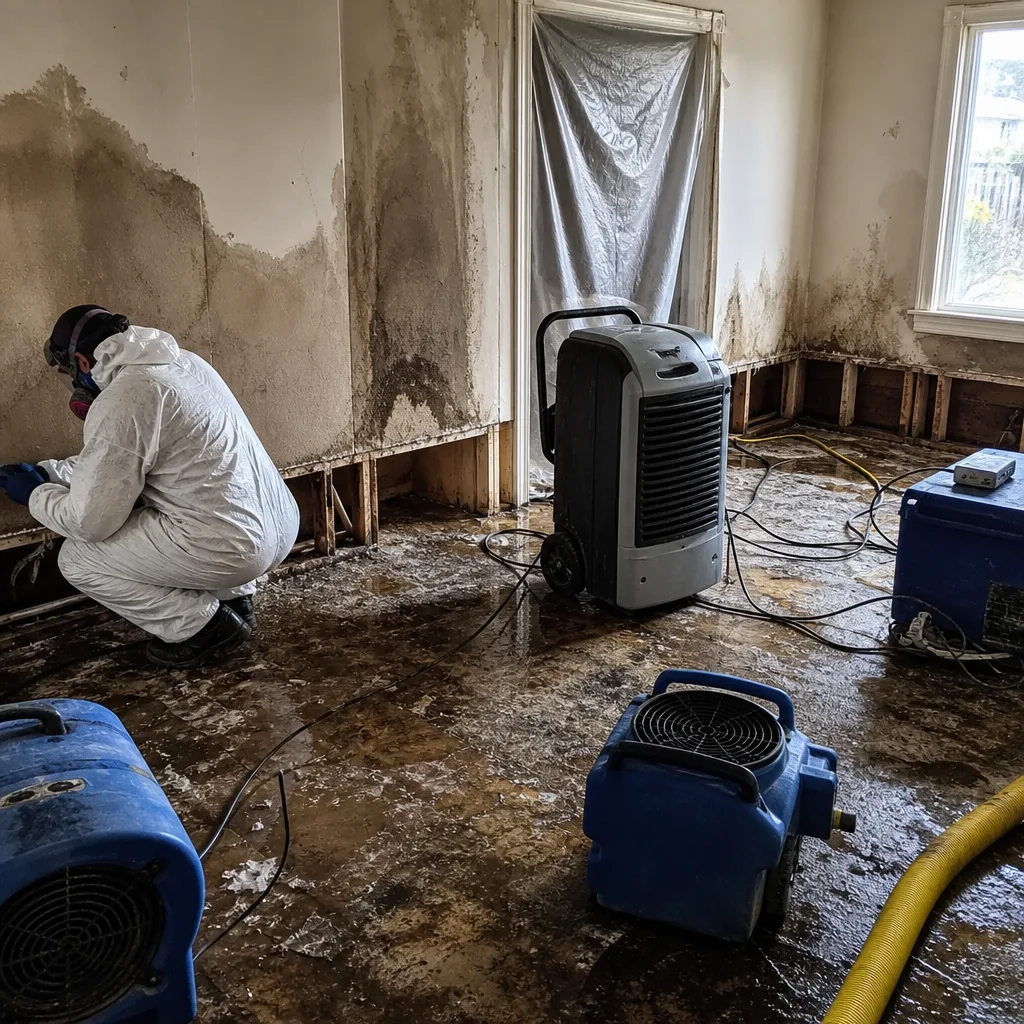 Before
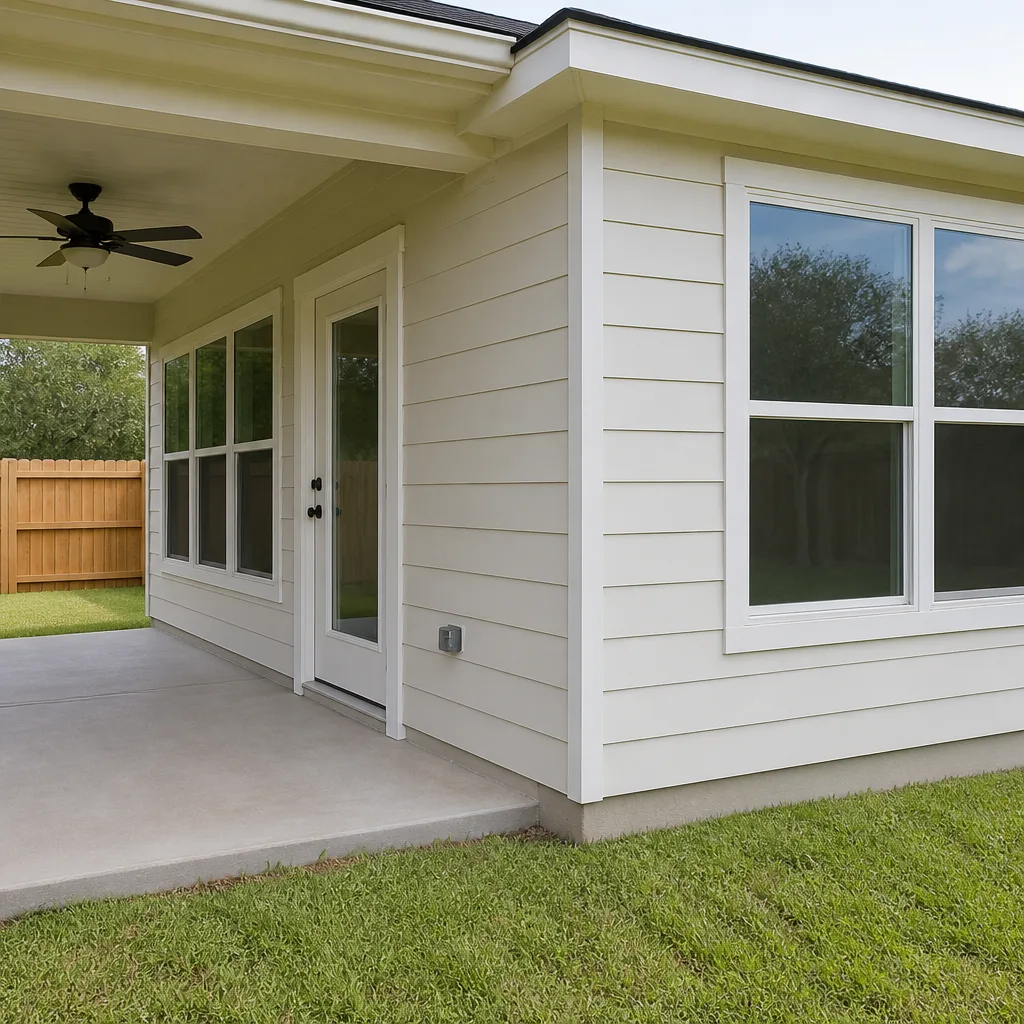 After
After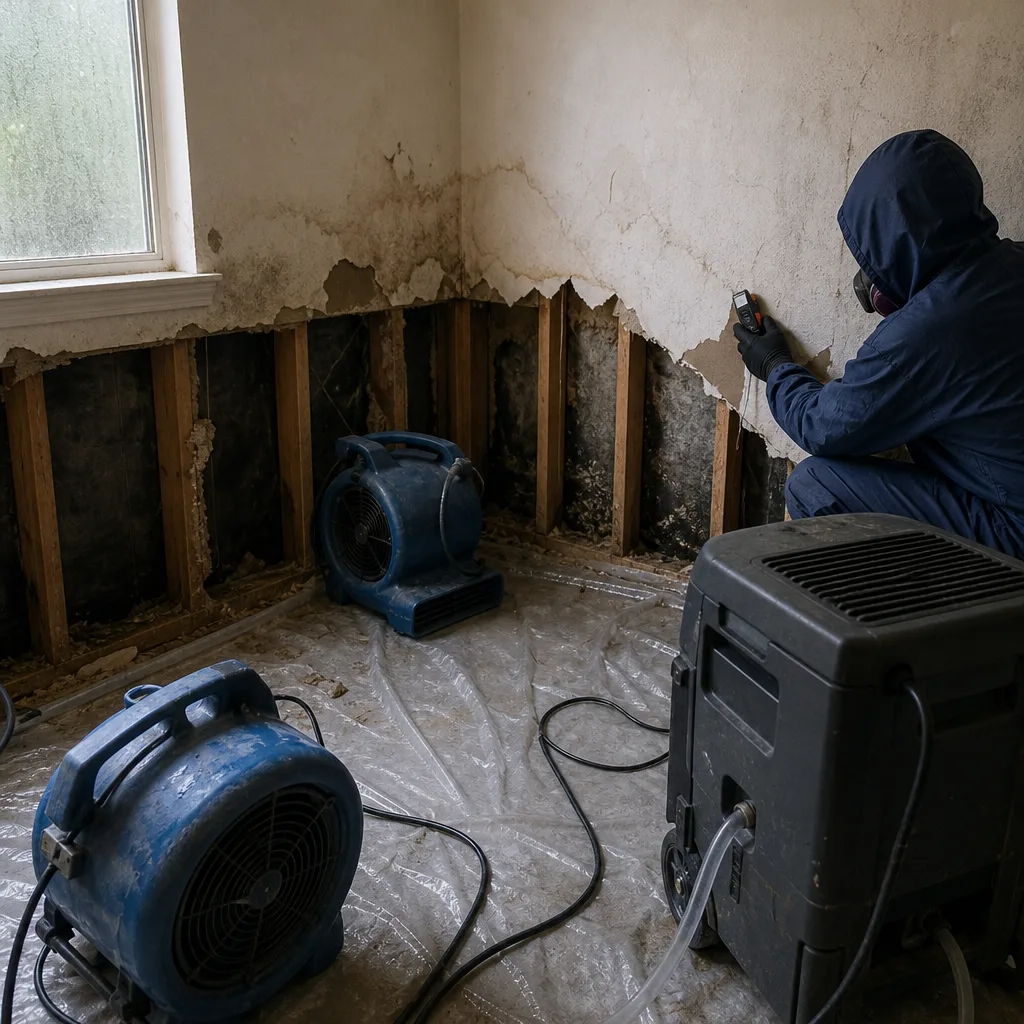 Before
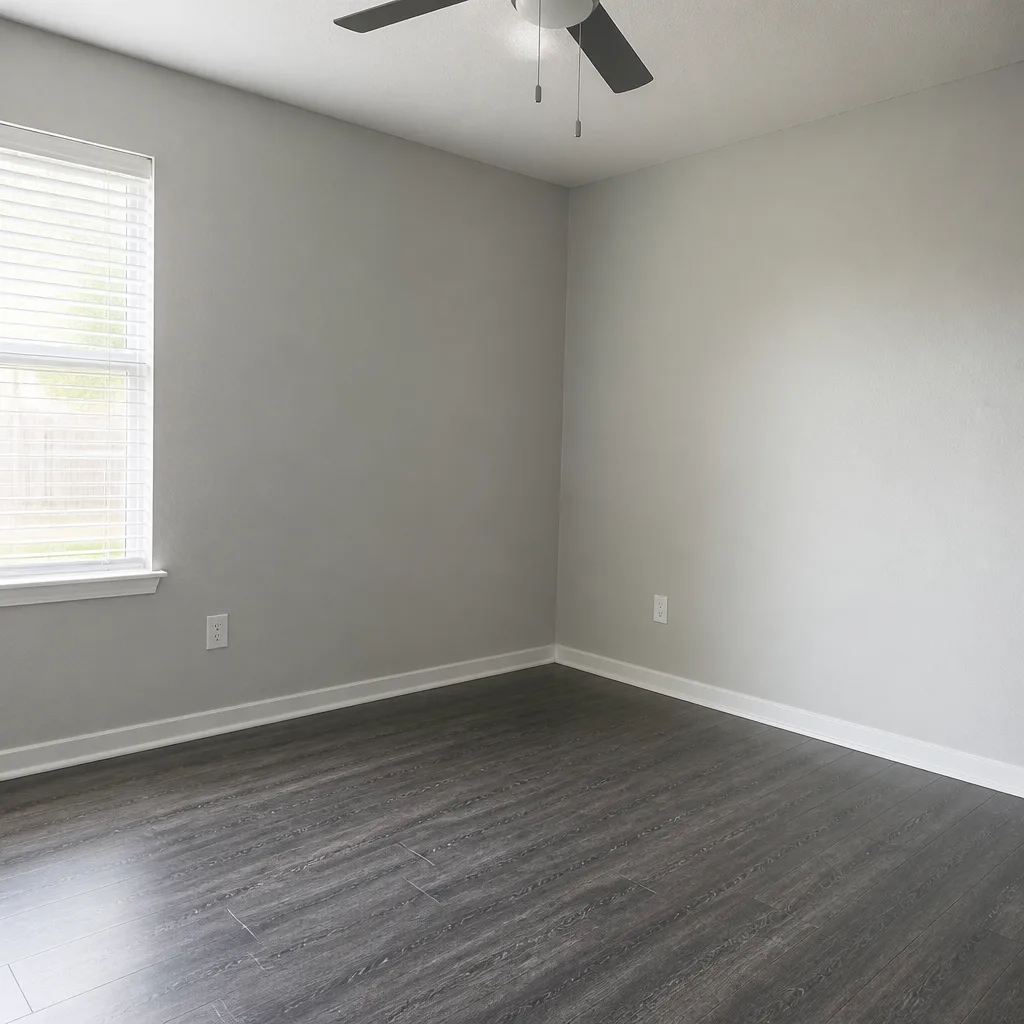 After
AfterHow Much Does Mold Remediation Cost in San Antonio?
Mold Remediation in San Antonio typically costs between $1,800 and $6,500, with most homeowners paying around $3,200 for a moderate attic or bathroom job. Small, contained problems like a closet wall can run $500 to $1,200, while crawl space or whole-HVAC contamination can push past $10,000. You’ll get a written price before any work starts at Tidemark Water Damage San Antonio, so the number you agree to is the number you pay.
At Tidemark Water Damage San Antonio, led by Rick Sumner, that written-price-before-work standard is not a courtesy. It’s how every job begins. The crew arrives with shoe covers and drop cloths already on the truck, protects the floors and furnishings, and the family gets a photo of the clean-up before the van leaves the driveway.
Mold Remediation Cost Breakdown (2026)
Here’s what Mold Removal actually costs in the San Antonio market right now, broken into the line items you’ll see on any serious estimate. These ranges reflect what we see across Alamo Heights, Stone Oak, Helotes, and the older housing stock near Woodlawn Lake and Beacon Hill, where pier-and-beam foundations and 1950s HVAC systems create predictable trouble spots.
| Remediation Component | Typical Range (San Antonio, 2026) |
|---|---|
| Inspection and moisture mapping | $150 – $400 |
| Containment (poly sheeting, negative air) | $300 – $900 |
| HEPA demolition and removal (drywall, baseboards) | $2 – $6 per sq ft |
| Surface cleaning with antimicrobial agents | $75 – $150 per hour per technician |
| HEPA air scrubbing (24-48 hours) | $250 – $600 |
| Crawl space remediation (full encapsulation) | $4,000 – $12,000 |
| Attic mold remediation | $1,500 – $4,500 |
| Bathroom mold remediation (one wall, one fixture) | $800 – $2,200 |
| HVAC duct cleaning after mold | $400 – $1,000 |
| Post-remediation verification testing | $200 – $500 |
Three things swing these numbers more than anything else in San Antonio. First, whatever water problem caused the mold has to be fixed before remediation means anything. A slow plumbing leak inside a wall costs more to expose and repair than mold that followed a one-time flood event. Second, old San Antonio homes often have plaster-and-lath walls instead of drywall. Plaster holds moisture differently and sometimes requires more aggressive drying before containment comes down. Third, if the mold reached the HVAC system, you’re now talking about cleaning ductwork and possibly the air handler, which adds real money.
Humidity matters too. San Antonio sits in Zone 2, where summer dew points regularly hit the mid-70s. A crawl space that stays damp from April through October will grow mold back in months unless the moisture is handled. That’s why a quote that includes dehumidification and a vapor barrier often looks higher, but it’s the quote that actually solves the problem.
What Affects Mold Remediation Pricing in San Antonio
Nothing about mold pricing is random. Here are the factors that move your number up or down, and what to ask about each one.
- Square footage of affected material: Mold behind a bathroom vanity is a different job than mold across a 400-square-foot attic deck. Every additional square foot of drywall or insulation adds labor hours and disposal weight.
- Where the mold is hiding: At Tidemark Water Damage San Antonio, technicians follow the tide mark, the line water leaves as it travels. Mold inside a wall cavity, under subflooring, or behind a shower pan requires opening the structure, which adds $400 to $1,500 depending on how much gets removed.
- The moisture source: A one-time water heater failure is simpler than a roof leak that has been dripping into the attic for two years. Ongoing leaks in San Antonio’s heavy rain months (May, June, September) tend to produce deeper, more established colonies.
- Type of mold: Most San Antonio homes have common varieties like Aspergillus or Cladosporium, which respond to standard remediation. If testing identifies Stachybotrys (black mold), expect stricter containment requirements and slightly higher labor costs.
- HVAC involvement: Mold spores move through ductwork. If the air handler or ducts are contaminated, the job expands to include duct cleaning and possibly sanitizing the plenum, which can add $400 to $1,000.
- Access: A crawl space with 18 inches of clearance costs less than one where technicians are working on their backs under ductwork. San Antonio’s older pier-and-beam homes near Monte Vista and Tobin Hill often have tight, awkward crawl access.
One more thing that shapes pricing in San Antonio specifically: the age of the home. Many houses built before 1978 have multiple layers of paint and wallpaper over original materials. Removing mold properly sometimes means removing those layers too, which is more labor. It’s the right way to do it, but it is slower.
Can You Fix Mold Yourself to Save Money?
For small surface mold, like a patch under a bathroom sink that covers less than 10 square feet, a homeowner with the right cleaning products can often handle it. But mold behind walls, in HVAC systems, or covering large areas is a different situation.
The important safety note here: mold remediation involves disturbing the colony, which releases spores into the air. Without negative air pressure and HEPA filtration, you can spread a contained problem through your whole house. If the mold area is larger than a bath towel, or if anyone in the home has asthma, allergies, or a compromised immune system, call a professional. The gear and training matter in a way that’s hard to overstate.
At Tidemark Water Damage San Antonio, the technicians are IICRC-, RIA-, and IFA-credentialed, which means they follow the industry’s actual standards for containment, air scrubbing, and disposal. The equipment comes from Dri-Eaz, Phoenix, XPOWER, B-Air, and Injectidry. That’s not brand-dropping; it’s the difference between removing mold and just cleaning the surface.
How to Save on Mold Remediation in San Antonio
Saving money on mold remediation is mostly about catching it early and hiring someone who gives you a written price before starting. Here’s what actually works.
- Call at the first sign: A musty smell that doesn’t go away, a water stain that keeps growing, paint that’s bubbling in one spot. Early-stage mold behind a single wall costs a fraction of mold that has had six months to spread through ceiling joists. Rick Sumner and the team at Tidemark Water Damage San Antonio answer the phone around the clock, so you’re not leaving a voicemail while spores multiply.
- Ask for a written price first: Every Tidemark job gets a written price before any work starts. That’s not just a promise; it’s a protection. You look at the number, you agree to it, and there are no surprises on the final invoice.
- Fix the water source in the same visit: If the mold came from a leaking pipe or a failed water heater connection, having the plumbing addressed while walls are already open saves a second trip and a second round of demolition.
- Get containment done right the first time: A cheap quote that skips proper containment often leads to spores spreading to other rooms, which means a second, bigger job later. Doing it once, correctly, is the cheapest path.
- Use a company that protects your home while working: Shoe covers and drop cloths are standard on every Tidemark visit. If a remediation crew damages flooring or furnishings, that’s another cost you didn’t plan for. Protecting the house during the job is one of the quiet ways to keep the final number down.
Tidemark Water Damage San Antonio offers free estimates. Call (325) 230-0537 and a real person answers, day or night, rain or shine, during a flooded kitchen or a discovered attic colony. You’ll get an honest conversation about what you’re dealing with and a written number before anything is touched.
Mold Remediation Cost by San Antonio Scenario
Every house is different, but these real-world San Antonio scenarios give you a useful starting point. These are the jobs we see most often from Shavano Park down to Southtown.
Bathroom ceiling mold after a slow shower leak
Typical range: $800 – $2,200. This is the most common call. A shower pan or supply line has been dripping inside the wall above a bathroom ceiling. The drywall comes down, the framing is cleaned and treated, and new drywall goes up after the plumbing is fixed. One technician for a day, plus containment and drying equipment. Most families are back in the bathroom by the next evening.
Attic mold from poor ventilation in a 1970s ranch house
Typical range: $1,500 – $4,500. Older San Antonio homes with bathroom fans venting into the attic instead of through the roof create the exact conditions mold loves. Warm, humid air hits the cool underside of the roof decking and condensation follows. This job includes removing or treating contaminated insulation, cleaning the sheathing, and usually a recommendation to fix the ventilation so it doesn’t return.
Crawl space mold in a pier-and-beam bungalow
Typical range: $4,000 – $12,000. If the crawl space under your home is growing mold, the real fix includes drying everything out, removing contaminated material, treating the structure, and often installing a vapor barrier across the soil. That’s a bigger job with more material and more labor hours, but it is also the difference between fixing the problem and just delaying it.
Whole-house mold from a water heater rupture
Typical range: $8,000 – $20,000+. When a 50-gallon water heater fails in a hallway closet, the water travels faster than most people realize. Water in the walls, under baseboards, into adjacent rooms, possibly into the HVAC return. This becomes a water damage restoration job first and a mold remediation job second. At home, the very same water that floods a hallway is what becomes a mold problem two weeks later if it’s not dried correctly. Getting the drying right on day one is what prevents the mold price from ever happening.
How to know which scenario you have
You don’t need to guess. Our technicians use moisture meters and thermal imaging during our Mold Inspection & Testing to trace exactly where water went, following the tide mark into places you can’t see from the living room. What looks like a six-inch stain on the ceiling often turns out to be a two-foot-wide colony inside the joist cavity. That’s not a scare tactic; it’s just what a moisture map reveals. And knowing the real scope is the first step to a real price.
What’s Included in a Professional Mold Remediation Job
When you hire Tidemark Water Damage San Antonio for mold remediation in San Antonio, here’s what the written price includes. If a quote from another company doesn’t have these line items, ask why.
- Containment setup: Poly sheeting barriers, negative air pressure, and HEPA air scrubbers running before any moldy material is disturbed. This keeps spores in the work area instead of circulating through your living room.
- Source removal: Moldy drywall, insulation, carpet pad, or other affected materials are bagged and removed. You can’t “clean” mold off of porous materials reliably, so they come out and get replaced.
- Structural cleaning: Exposed framing is HEPA-vacuumed, sanded where necessary, and treated with EPA-registered antimicrobial products. When there’s a choice, Tidemark uses pet-safe options, because the family’s four-legged members matter as much as the two-legged ones.
- Drying: After cleaning, the structure gets dried to the correct moisture content, using meters to confirm the numbers. Not by feel. By measurement. Dri-Eaz and Phoenix equipment is the standard here.
- Air scrubbing: HEPA filtration runs for 24 to 48 hours after the work is done to pull lingering spores from the air in the containment zone.
- Post-remediation verification: A visual confirmation that all affected materials were removed, moisture readings show dry, and the space is ready for rebuilding. If you’ve requested third-party clearance testing, we’ll coordinate timing with your chosen hygienist.
- Clean-up documentation: A photo of the clean-up is taken and shared before the crew leaves, so you see exactly what was done and how the space was left. That includes the drop cloths coming off the floors and the shoe covers coming off at the door.
What’s not always included is the rebuilding: hanging new drywall, painting, reinstalling baseboards. Some remediation companies stop at removal and leave you to find a contractor. Tidemark coordinates the full scope, so you’re not juggling three companies and four schedules in the middle of a stressful season.
Why San Antonio’s Climate Makes Mold a Year-Round Concern
San Antonio is not a dry city, despite what people who’ve only visited in August might think. Average relative humidity runs 65 to 75 percent for much of the year. Summer dew points in the 70s mean condensation forms inside walls and attics even when there’s no leak at all. That’s the backdrop for every mold problem in this city.
Add to that the flash flood events along Salado Creek, the Guadalupe River, and the many low-water crossings around Alamo City, and you have a market where water intrusion is common and mold follows it predictably. The north side around Stone Oak and the Dominion sees attic mold from AC condensation problems. The older tree-canopied neighborhoods like Alamo Heights and Terrell Hills see crawl space humidity. Castle Hills and Beacon Hill have both, depending on the house.
This is why we talk so much about finding where water traveled and drying past it. In San Antonio, moisture doesn’t just sit; it migrates. And mold migrates with it, often showing up in a hallway ceiling when the original leak was in a bathroom across the wall two months earlier. The tide mark is the map, and our technicians read it carefully before the first piece of equipment comes out of the truck.
How the Process Works Step by Step
If you’ve never dealt with mold remediation before, the process can sound intimidating. Here’s exactly what happens when you call Tidemark Water Damage San Antonio.
- You call (325) 230-0537. A real person answers. Not a voicemail. Not a callback queue. You describe what you’re seeing and smelling, and we schedule an inspection at a time that works for your family.
- The inspection. A technician arrives with moisture meters, a thermal imaging camera, and a flashlight. They follow the tide mark, checking behind baseboards, inside vents, and in the crawl space or attic. You get a clear explanation of what’s found, in plain language, with no pressure and no drama.
- The written price. Before any tools come out, before any containment goes up, you get a written price. Line by line. You read it, you agree to it, and only then does the work begin. If there’s a scope change later, you’ll approve it in writing before it happens.
- Protection and containment. Shoe covers go on at the door. Drop cloths cover the floor. Poly sheeting contains the work area and negative air pressure keeps spores from circulating. The house is protected as a standard step, not an upsell.
- The work itself. Moldy materials come out, structure gets cleaned and treated, and drying equipment runs until moisture readings confirm the space is actually dry. Not sort of dry. Measured dry.
- Final cleanup and photo check. Equipment comes out, containment comes down, floors get swept, and a photo of the finished space is shared with you before the crew pulls away. You see what was done and how it was left.
- Your 365-Day coverage begins. Every job is covered by the 365-Day Done Right Promise. If the restoration is not done right, Tidemark makes it right. That promise survives long after the final invoice.
This process is identical whether we’re handling a bathroom ceiling in Alamo Heights or a crawl space in Olmos Park. The C.A.R.E. code applies everywhere: clean up like it’s our own home, ask before we move or touch anything, respect the family’s time and quiet hours, and explain the price before the work.
The Hidden Cost of Waiting
Mold doesn’t resolve itself. What starts as a $900 bathroom wall job becomes a $4,500 structural problem if the moisture source keeps feeding it for another year.
Here’s a pattern Rick Sumner’s team sees regularly in San Antonio. A homeowner notices a small stain on a hallway ceiling in October. It’s not growing, so they wait. In March, warmer weather brings higher humidity, the stain doubles, and by May it’s spreading into the adjacent bedroom ceiling. What would have been a one-day, four-figure remediation is now a multi-day, five-figure job that involves two rooms, a hallway, and possibly the HVAC system.
The time to call is the day you notice it. Not because the problem will explode tomorrow (it usually won’t), but because every week of waiting adds square footage. If you’re on the fence, call for an inspection. You’ll get a straight answer about whether you’re dealing with an emergency or an inconvenience. That clarity is worth the call, and with home protection from water damage being part of the same care network, you’re covered whether the issue is active water or the mold it left behind.
FAQs – Mold Remediation Cost in San Antonio
How much does mold remediation cost per square foot in San Antonio?
Mold remediation in San Antonio costs $8 to $25 per square foot depending on the surface, accessibility, and whether structural removal is needed. A simple surface-clean of a wall runs on the lower end, while removing and replacing drywall from a stud cavity runs higher. Call (325) 230-0537 for a written price based on your exact square footage. Estimates are free and come before any work begins.
Will homeowners insurance cover mold remediation in San Antonio?
Texas homeowners policies typically cover mold remediation only when the mold results from a covered water event, like a sudden pipe burst or a storm-damaged roof. Coverage limits often cap at $5,000 to $10,000 for mold specifically. If the mold came from a slow leak or long-term humidity, it’s usually not covered. We’ll help you understand your policy’s language and document the damage for your claim.
How long does mold remediation take in San Antonio?
Most San Antonio mold remediation jobs take 1 to 5 days, with an additional 24 to 48 hours of air scrubbing afterward. A single bathroom wall can be done in one day. A full crawl space or attic plus HVAC involvement can take a week. You’ll get a timeline in your written estimate before work starts, and we work around nap time and school hours when the family is home.
Is it cheaper to remediate mold or replace the affected area?
For porous materials like drywall, insulation, and carpet pad, replacement is actually the cheaper and more reliable option, typically $2 to $6 per square foot including removal. Attempting to “clean” mold out of drywall often fails because the colony extends into the paper backing and gypsum core. For non-porous surfaces like framing lumber or concrete, cleaning and treatment is the standard approach and costs $75 to $150 per labor hour. You won’t have to guess which applies; the written quote explains exactly what gets cleaned and what gets removed.
How much does black mold remediation cost in San Antonio?
Black mold (Stachybotrys) remediation in San Antonio ranges from $2,500 to $8,000, with larger contaminations exceeding $10,000. The higher cost comes from stricter containment requirements and more extensive air scrubbing. Most homes we test do not have black mold, but when it is present, it needs to be handled properly to protect the family’s respiratory health. Call (325) 230-0537 for an exact quote. Estimates are free, and the written price comes before any equipment enters your home.
Can you come out today to look at mold in my San Antonio home?
Yes. Tidemark Water Damage San Antonio answers the phone 24 hours a day, 7 days a week, and same-day inspections are available in most San Antonio neighborhoods, including Alamo Heights, Stone Oak, Helotes, and the medical center area. Call (325) 230-0537 and a real person will get you scheduled.
Why San Antonio Homeowners Choose Tidemark Water Damage San Antonio
People don’t choose a mold remediation company because they want to. They choose one because something in the house is wrong and someone has to fix it. The question is who you let through the front door.
Here’s who shows up at your door with Tidemark Water Damage San Antonio. Background-checked, uniformed technicians with IICRC, RIA, and IFA credentials. Shoe covers on before the door closes. Drop cloths down before any gear rolls in. A moisture meter and thermal camera in hand. A written price in your hand before anything else happens. And a promise: if the restoration isn’t done right, we make it right, for 365 days after the last truck leaves.
Founded in 2006 as part of the Cedarwell Care Promise network, we’re independently owned and operated here in San Antonio, with Rick Sumner running the local team. Being independent means we’re not chasing franchise quotas or corporate scripts. We’re chasing the tide mark, finding exactly where water traveled and drying past it, so the mold doesn’t come back in the next humid June.
If you see mold, smell something that’s been off for a few weeks, or just want an honest assessment of a stain that’s been growing, call (325) 230-0537. A real person will answer. You’ll get a straight conversation and, if you want, a written price. No pressure, no drama, no surprises. Just a calm, kind, precise answer to what’s going on in your home.
Written by Rick Sumner, Owner at Tidemark Water Damage San Antonio, serving San Antonio since 2006. Pricing reflects the San Antonio market as of 2026. Tidemark Water Damage San Antonio offers free estimates – call (325) 230-0537.
What Our Customers Say
"Water heater flooded the garage and part of the hall. The crew treated our home gently, laid protection everywhere, and were kind about how overwhelmed I was. Dried it out properly."
- Daniela Ross"Smoke damage after a small stove fire. They were considerate with our belongings, cleaned carefully room by room, and kept us updated calmly. House smells normal again."
- Nelson Pryor"Flooded laundry room. They set up fans but were thoughtful about the noise around the baby's room and moved equipment when I asked. Kind, clean, and they checked in daily."
- Marcus Delacroix