
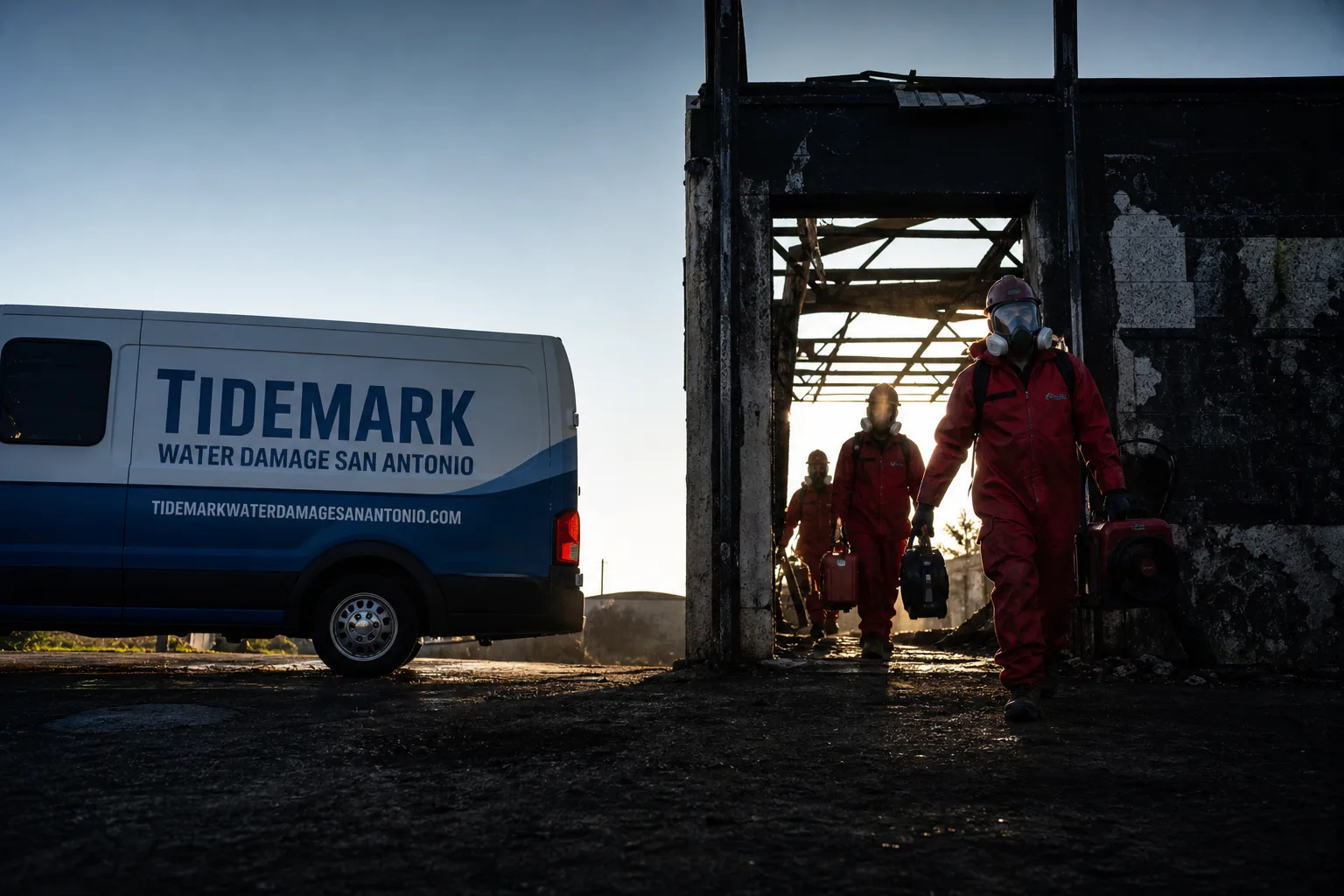
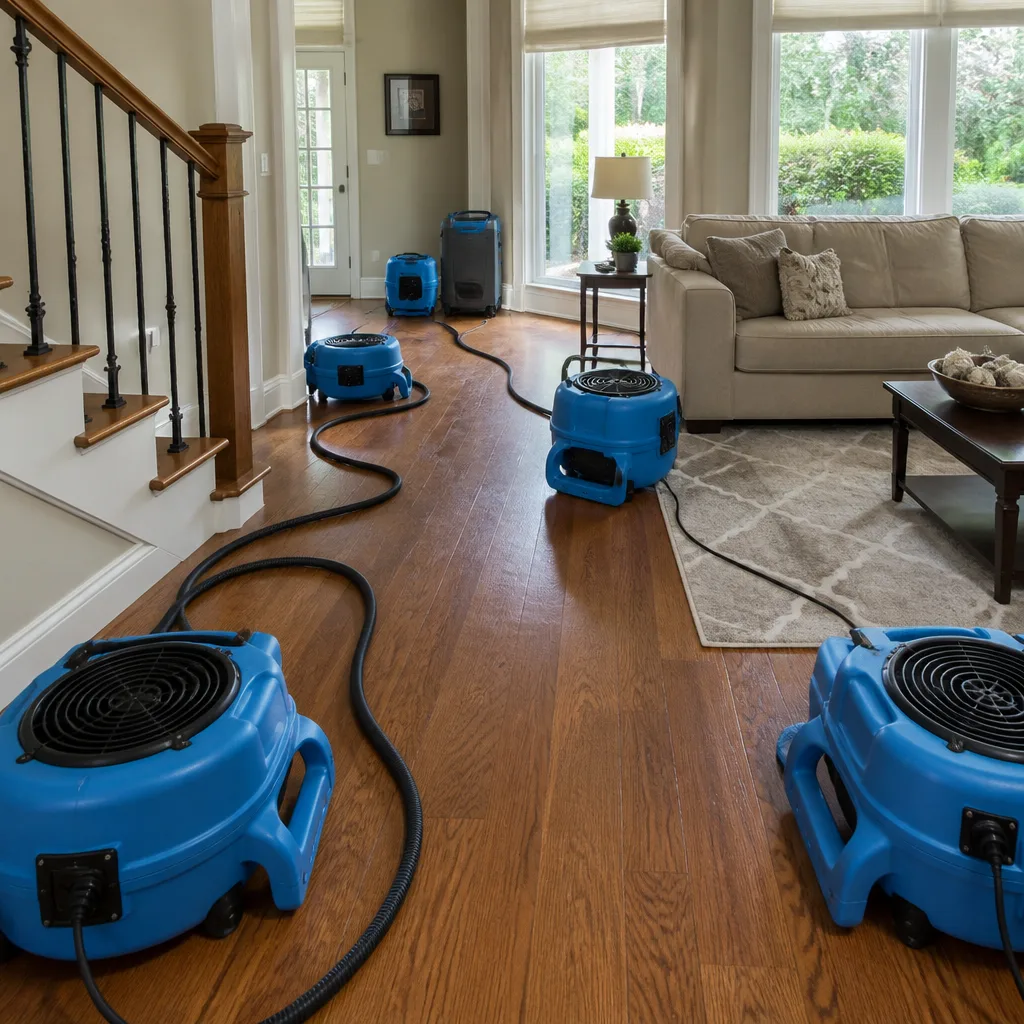
 Water damage drying
 Fire & smoke cleanup
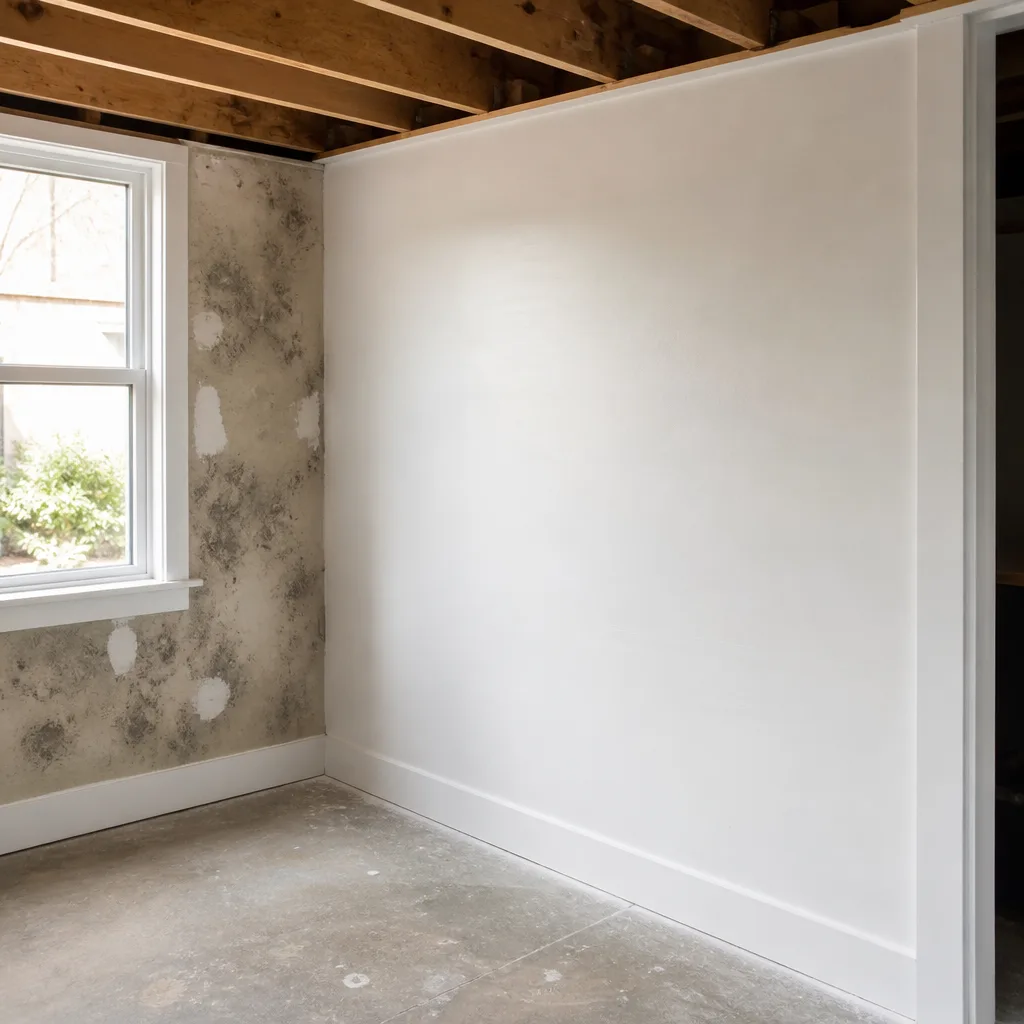 Mold remediation
 Storm response
 Sewage cleanup
 Reconstruction
Free visual inspection and a written scope of work before any mitigation begins - photos, moisture readings, and drying logs go in your claim file
The scope we write is the scope we bill. Anything new gets shown to you, in writing, before we touch it.
Get your free estimateFire Damage Restoration in San Antonio: What It Costs and How Fast We Can Respond
A kitchen fire in a San Antonio home typically costs between $2,800 and $12,500 to restore, depending on how far smoke traveled and whether water from firefighting reached the subfloor. Most of our crews are on-site in San Antonio within 60 to 90 minutes of the first call. We handle the full sequence: emergency board-up, water extraction, soot removal, structural drying, and smoke odor elimination. Call (325) 230-0537 and you’ll talk to a live person, not a voicemail.
San Antonio homes burn differently than homes in Dallas or Houston. That’s not a slogan. The city’s mix of 1920s pier-and-beam bungalows near downtown and post-war slab ranchers on the north side means a fire in Olmos Park and a fire in Stone Oak demand different drying strategies. Our Fire Damage Restoration team has walked both. Written price before work starts. Always.
What Makes Tidemark Different for San Antonio Homeowners
We’re independently owned and operated, working to the Cedarwell Care Promise. That’s a plain fact, not a pitch. Rick Sumner built this team around a simple rule: name what will be protected and how, before anyone touches a wall. Shoe covers go on at the door. Drop cloths cover your floors before the first air mover rolls in.
Our technicians are background-checked, uniformed, and credentialed through IICRC, RIA, and IFA. They run Dri-Eaz air movers and Phoenix dehumidifiers, the same machines used by leading restoration specialists. When the job is done, you get a photo of the clean-up before the crew leaves. You see exactly what was done and how it was left. And the 365-Day Done Right Promise means if something isn’t right, we come back and make it right. Long after the invoice is closed.
We answer the phone 24/7. A real person. In the middle of a San Antonio thunderstorm at 2 a.m., that matters.
Restoration work we handle
Fire and Water Damage Restoration in San Antonio
Fire and Water Damage Restoration in San Antonio almost always starts with water. The hoses that put out your kitchen fire put hundreds of gallons into your sheetrock, your subfloor, your crawlspace. In San Antonio’s flash-flood prone geography along the Balcones Escarpment, that water frequently arrives already carrying category 3 contamination: storm runoff, sewage, silt. Soot and char sit on top of contaminated water. You have two problems stacked: fire damage above, microbiology below. Our crews run structural drying and antimicrobial treatment at the same time. Most other Texas metros rarely see this combination.
Drying Past the Tide Mark
A tide mark is the line water leaves on a wall. It’s the first thing our technicians look for on every job. Fire crews soak the visible damage, but water runs down wall cavities, under baseboards, and into the crawlspace. In a pier-and-beam home in Monte Vista, that water pools under the floor joists and wicks back up into charred studs. We set containment, pull the wet insulation, and run Dri-Eaz air movers positioned for crawlspace airflow, not slab airflow. Drying the fire means drying the flood.
What It Costs
Combined fire and water restoration in San Antonio runs $3,500 to $15,000 depending on square footage and how long the water sat. A small kitchen fire with fast response might land around $3,000. A whole-floor event with category 3 water and structural drying can push past $14,000. You’ll see the written number before we start. No exceptions.
Soot Removal in San Antonio
Soot removal in San Antonio’s older housing stock presents a problem you rarely see in newer construction. Soot is acidic. Left on limestone façades near the near East Side, it etches the stone. Standard scrubbing on porous surfaces drives the soot deeper, making the fire damage permanent. On those homes, we use poultice applications or gentle media blasting to lift soot out of the stone rather than into it. On painted surfaces, dry sponge cleaning comes first, followed by degreaser and thermal fogging for odor.
Historic Plaster and Millwork
In Alamo Heights and Terrell Hills, we’re often working on 1920s bungalows with original plaster and millwork. Soot removal there is not about blasting every surface. It’s about preserving what the fire didn’t ruin. We test the plaster before we clean. We bag the millwork. Our crews know which cleaning agents will pull soot from lime plaster without crumbling it. That knowledge comes from doing it in San Antonio for years, not from a template.
What It Costs
Soot removal alone runs $800 to $3,200 in San Antonio. A single room with light soot might cost under $1,000. Whole-house soot on textured ceilings, ductwork, and porous stone can reach $3,000 or more. Call (325) 230-0537 for a written quote. The estimate is free.
Common Fire Damage Restoration Problems We See in San Antonio Homes
- Pier-and-beam crawlspaces that never dry. In Monte Vista and Olmos Park, restoration techs not trained on older framing often set air movers assuming slab airflow. That leaves crawlspace moisture under the charred studs. The moisture migrates back up, and you get mold inside the wall cavity within 24 to 48 hours.
- Hidden water pockets under tile. Flash flood water from the Balcones Escarpment is category 3. But terracotta and Saltillo tile hide moisture. Without moisture mapping, crews leave pockets that trigger re-burn or mold. Our Phoenix dehumidifiers run until the map shows dry, not until the surface looks dry.
- Porous stone that holds soot. Limestone bungalows near the near East Side have exterior stone that absorbs smoke like a sponge. Wrong chemical or wrong pressure drives soot deeper. Permanent dark staining. We use poultice and low-pressure media blasting instead.
- Foundation movement after structural fire. San Antonio’s expansive clay soils shift constantly. After a fire, heat damage plus water saturation can cause noticeable settling in slab homes, especially in newer tracts north of Loop 1604. We flag this early with the structural team so the restoration includes what the foundation now needs.
Pricing for Fire Damage Restoration in San Antonio, TX
Most San Antonio fire restoration jobs land between $2,800 and $12,500. Emergency board-up runs $300 to $800. Water extraction adds $500 to $2,000. Soot removal and odor treatment typically run $800 to $3,200. Structural repairs, from drywall replacement to framing, are where costs rise quickly: $4,000 to $20,000 or more for a full room rebuild. The variables are real: how many rooms burned, how far smoke traveled, whether water reached the crawlspace, and whether the home is pier-and-beam or slab. You get a written price before any work begins. Not an estimate you have to fight later. A number you agreed to.
We also carry products that are pet-safe wherever there is a choice, and we run lower-decibel equipment during nap hours. If you have kids and dogs, you’ll notice the difference.
See the difference
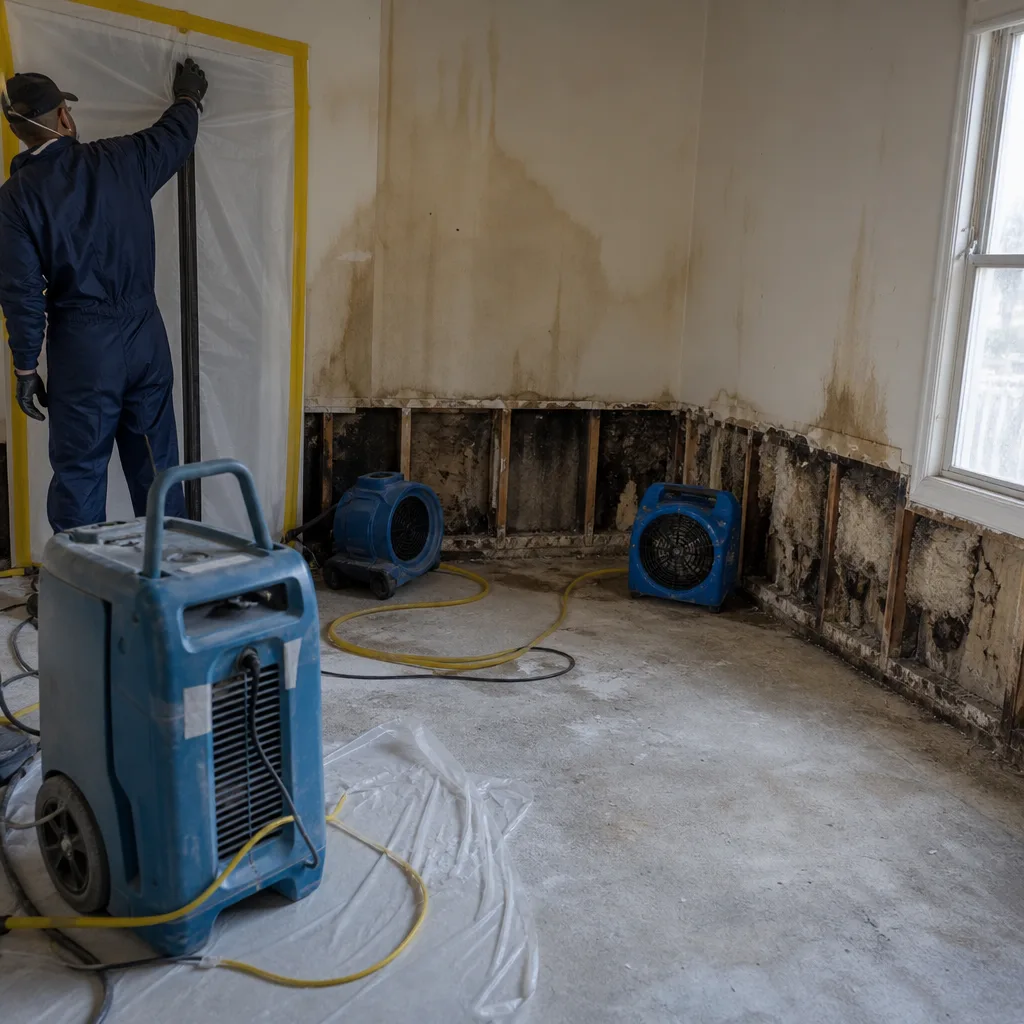 Before
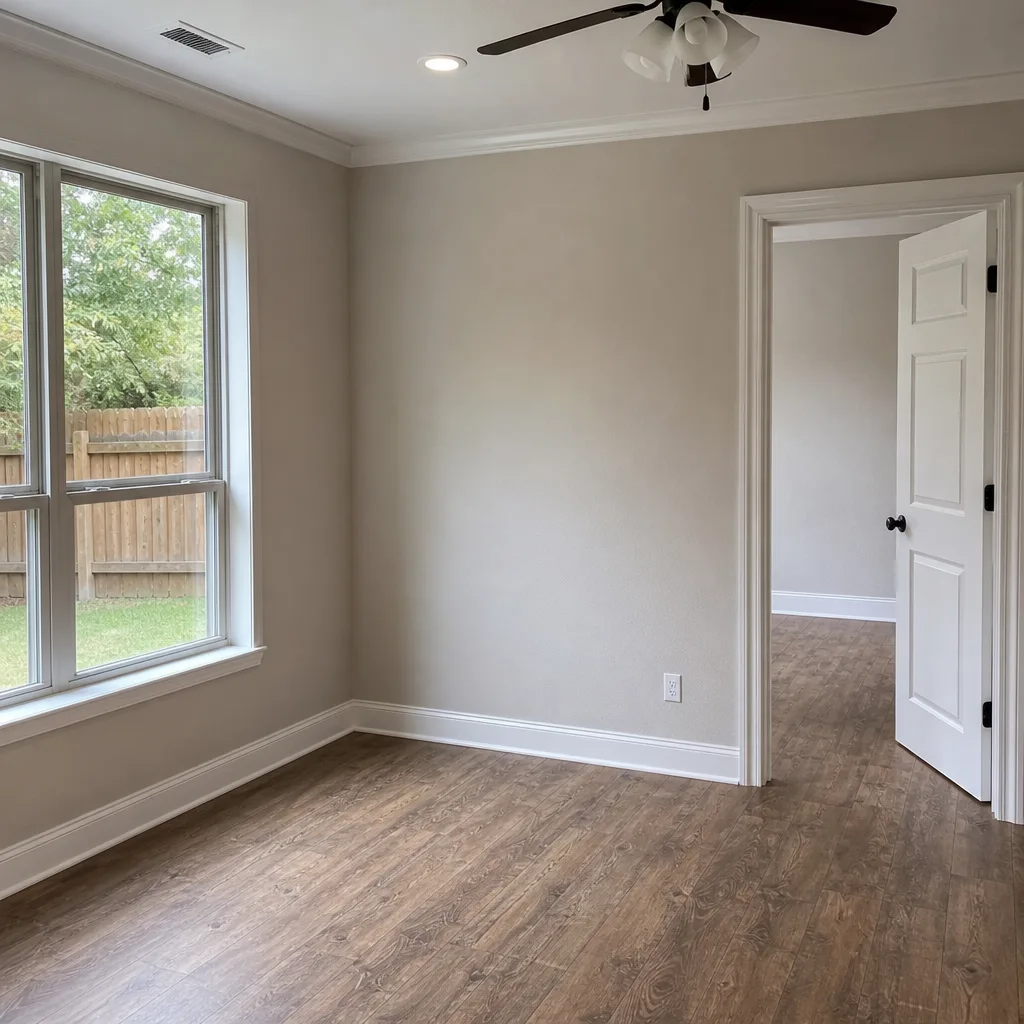 After
After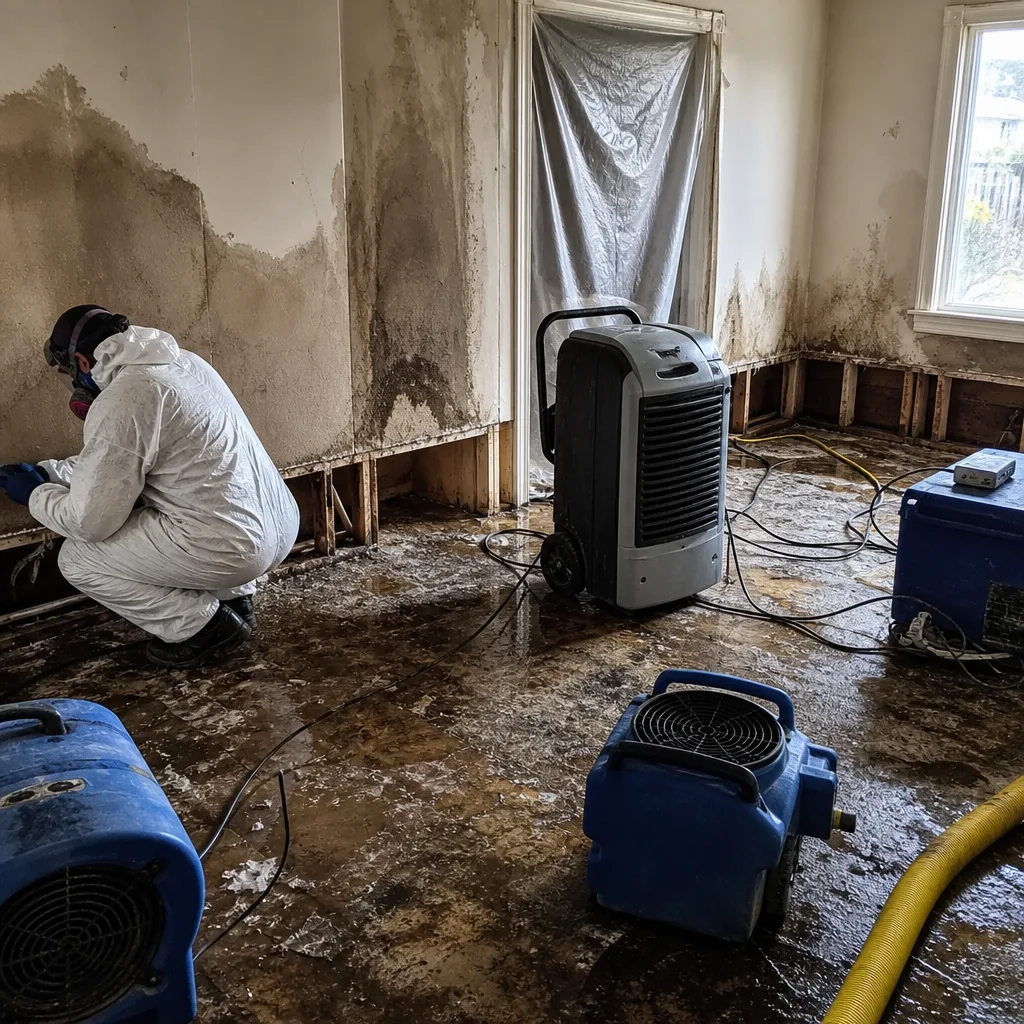 Before
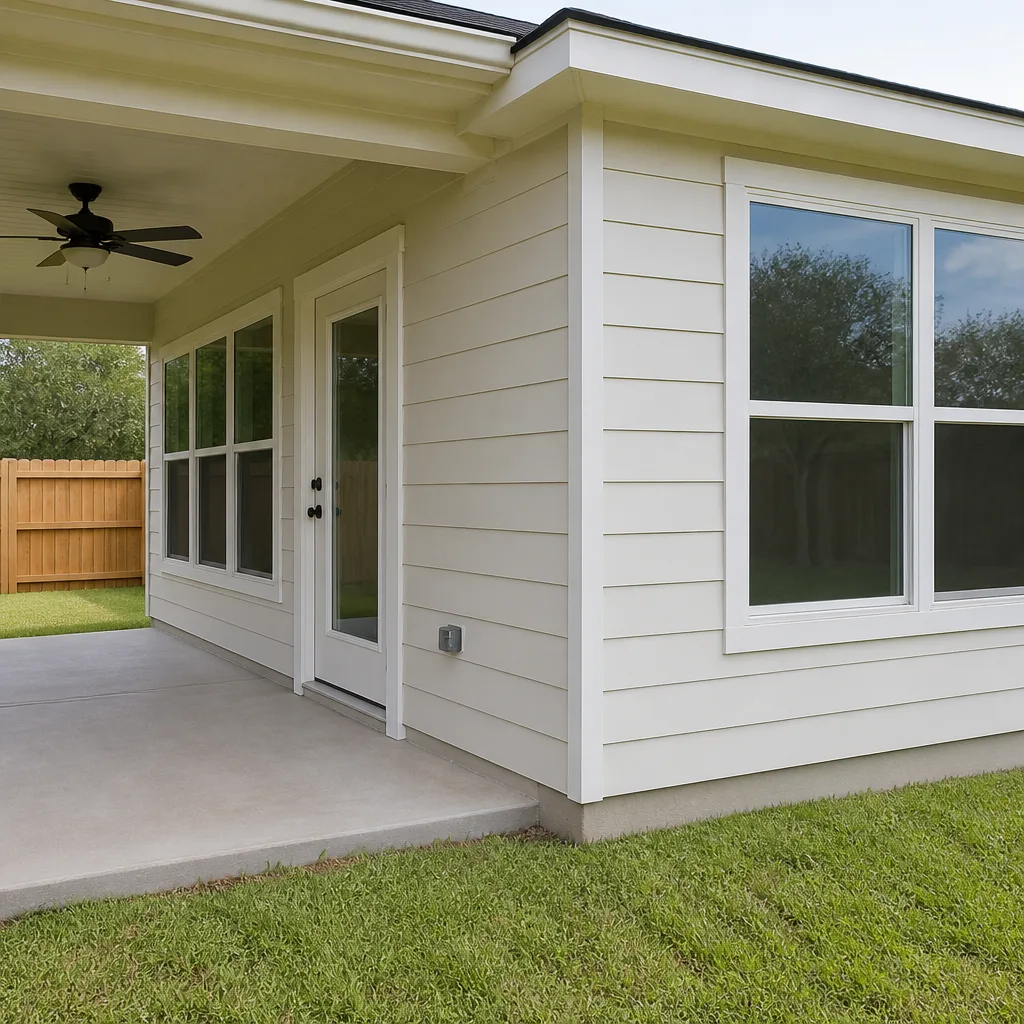 After
After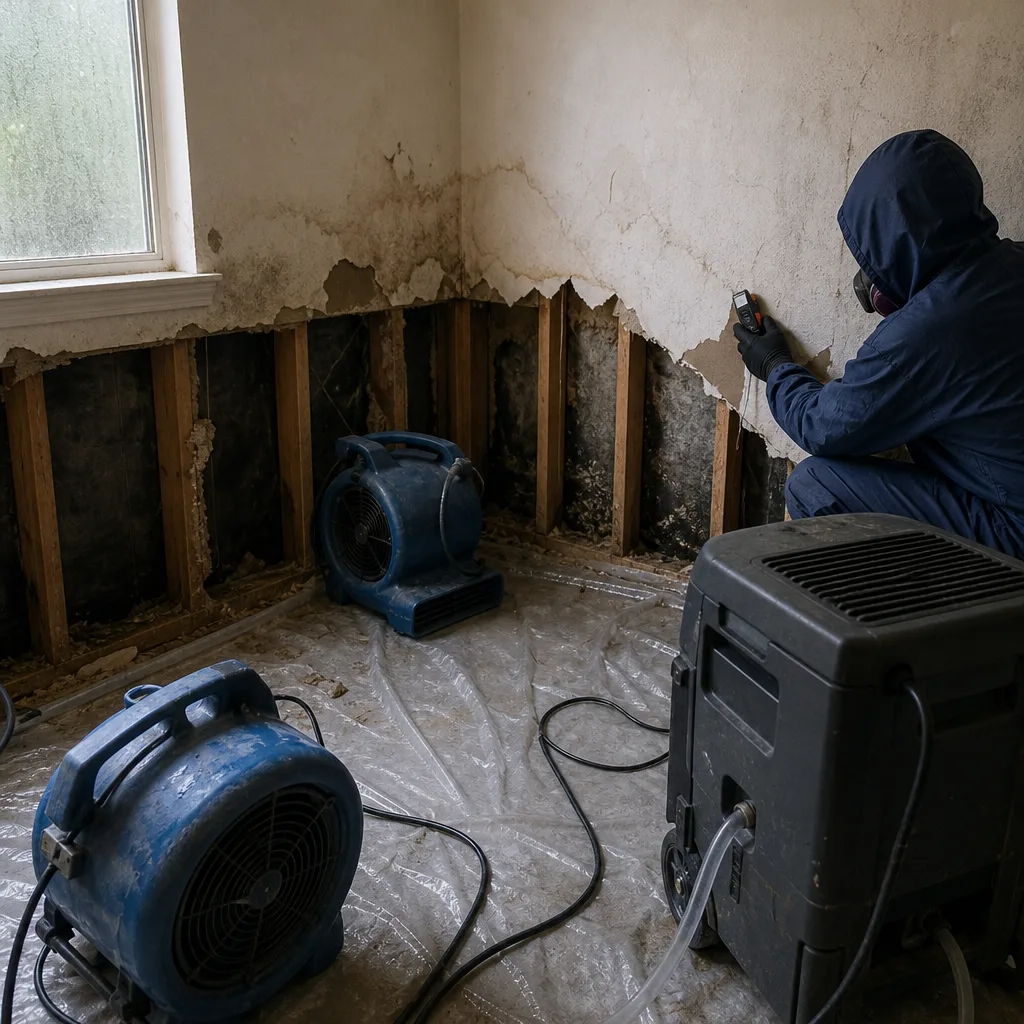 Before
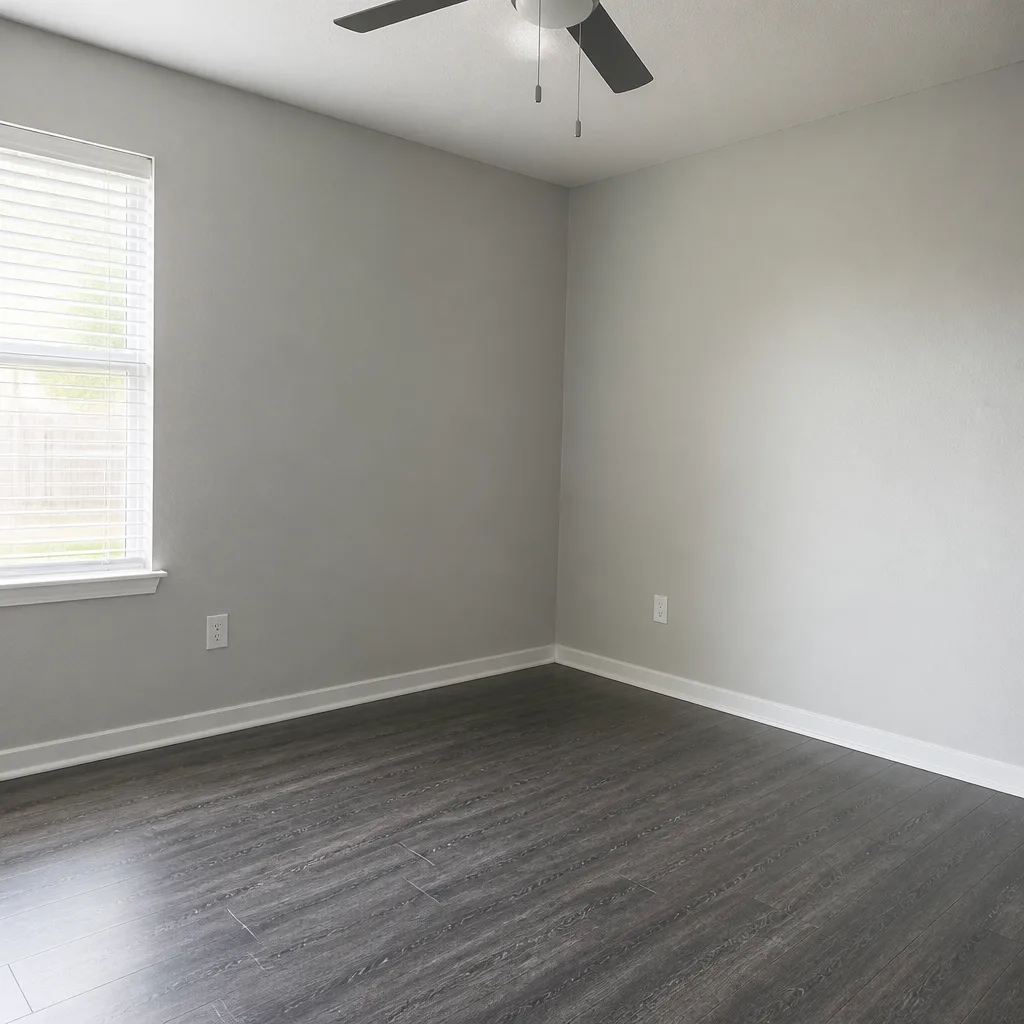 After
AfterWhat San Antonio’s Older Homes Teach Us About Fire Restoration
Our crew was called to a 1920s bungalow in Terrell Hills where a small kitchen fire had smoldered inside a wall cavity. Behind the original plaster, the galvanized supply line had already pinhole-leaked from decades of hard water, turning the drywall into a petri dish. We set containment, pulled the wet insulation, ran our Dri-Eaz air movers and Phoenix dehumidifiers, and applied antimicrobial treatment before replacing the lath and plaster to pre-loss condition. All while keeping the original millwork untouched. That’s what fire restoration in San Antonio actually looks like: not just removing the burn, but understanding what was already failing in an older home and building it back right.
San Antonio’s explosive suburban growth and aging inner-ring neighborhoods mean we navigate brand-new construction and historic homes constantly. Foundation shifts from expansive clay soils change how we stabilize framing. Flash floods add category 3 water to fire scenes. The restoration decision tree for a pier-and-beam home in Alamo Heights is completely different from a slab tract home in a new development off Culebra Road.
Trusted Brands We Service in San Antonio
We work on all major equipment and materials found in San Antonio homes. That includes gear from Dri-Eaz, Phoenix, and XPOWER on the drying side. The certification side is serious: our techs carry IICRC, RIA, and IFA credentials, which set the industry benchmark for fire, water, and mold restoration. We keep a local stock of common parts and materials in the San Antonio office, so we’re not waiting on a truck from out of town when your family needs the job moving. The San Antonio office coordinates all dispatch and scheduling directly.
We Also Serve Cities Near San Antonio
Our San Antonio crews regularly handle fire damage restoration in Schertz, Floresville, and New Braunfels. So if you’re just outside the city, know that the same written-price promise and the same equipment follows you. Call (325) 230-0537 from anywhere in the metro area.
Serving San Antonio, TX - Our Local Coverage Area
We’re based in the San Antonio area and know this community well. Use the map below to see our service coverage - if you’re nearby, we can almost certainly help.
FAQs About Fire Damage Restoration in San Antonio
Yes, in most cases. Firefighting hoses dump hundreds of gallons into a burning home. In San Antonio, where flash flooding from the Balcones Escarpment can add category 3 stormwater to the mix, water extraction is almost always step one. You can’t dry soot-laden framing over standing water. We extract first, then set air movers and dehumidifiers. If water reached your crawlspace or soaked through tile backing, the extraction and drying timeline extends by days, not hours. Call (325) 230-0537 and we can tell you within minutes what your home likely needs.
We test the plaster before we clean or demo. In historic homes, original plaster is often salvageable if soot removal happens early and gently. We use dry sponge techniques, then apply coatings only after the surface is stable. If fire got behind the plaster, we open only the sections that need it and match the repair with compatible lath and plaster material. The original millwork and trim get bagged and protected before any equipment rolls in. This is not a production-line process. It’s specific to San Antonio’s older homes.
Yes, and it’s almost always tied to the clay soil, not the fire alone. San Antonio sits on expansive clay that swells when saturated. A house fire adds heat shock plus hundreds of gallons of water into that soil. Slab homes, especially newer construction north of Loop 1604, can show settling or hairline cracks within weeks. Pier-and-beam homes may shift at the posts. We work with structural inspectors and foundation specialists during restoration so the rebuild accounts for what the soil did after the fire. The goal is to fix the fire and the movement, not wallpaper over one and ignore the other. Call (325) 230-0537 for guidance.
Most San Antonio fire restoration projects run 1 to 4 weeks. Emergency board-up and water extraction happen day one. Structural drying runs 3 to 5 days. Soot removal and odor treatment can take 2 to 5 days depending on square footage and surfaces. Full rebuild, drywall, paint, trim, and flooring, adds 1 to 3 weeks. If the fire affected a pier-and-beam crawlspace or required foundation consultation, expect the longer end. We deliver a written scope and schedule before any work starts, so you know what week one, week two, and week three look like.
We do. Photo documentation is standard on every Tidemark job. Our team documents the damage before, during, and after, with one photo of the clean-up shared before the crew leaves. That photo trail goes directly to your adjuster. We walk the adjuster’s field visit with them when needed and provide line-item scopes they recognize. The written price you agree to is the same number the insurance conversation starts from. Direct adjuster coordination is not an upsell. It’s part of doing the job correctly.
Call Tidemark Water Damage San Antonio
If you’re standing in a smoke-damaged hallway or looking at water pooling under your kitchen island, call (325) 230-0537. Live phone support, 24 hours a day. A real person answers. We’ll walk through what happened, what to touch and what not to touch, and get a crew moving toward your San Antonio home. Written price first. Shoe covers and drop cloths on every visit. A photo of the clean-up before we leave. That’s the way Rick Sumner and the Tidemark team do it.
Written by Rick Sumner, Owner at Tidemark Water Damage San Antonio.