
Last updated October 16, 2026
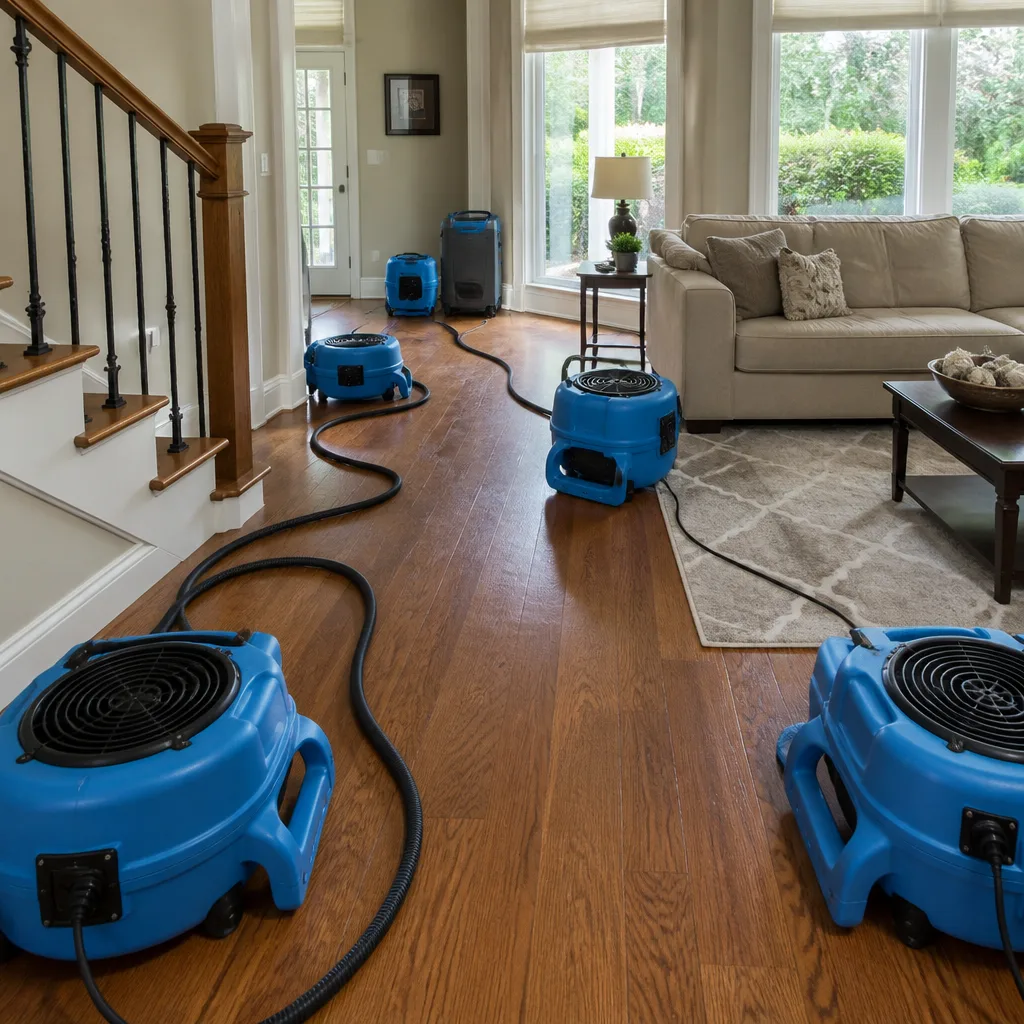 Water damage drying
 Fire & smoke cleanup
 Mold remediation
 Storm response
 Sewage cleanup
 Reconstruction
Free visual inspection and a written scope of work before any mitigation begins - photos, moisture readings, and drying logs go in your claim file
The scope we write is the scope we bill. Anything new gets shown to you, in writing, before we touch it.
Get your free estimateHow to Hire a Damage Restoration Contractor in San Antonio: A Step-by-Step Guide
Texas law does not require damage restoration contractors to be licensed. Read that again. The person who shows up with a truck, a dehumidifier, and a clipboard after your pipe bursts may have fewer legal obligations to you than the plumber who fixed the pipe. That single fact changes how you should approach hiring a restoration contractor in San Antonio, and it is the reason this guide to damage restoration in San Antonio exists. By the time you finish reading, you will have a concrete, repeatable vetting process you can run in under 30 minutes, even while your ceiling is still dripping into a bucket. We will walk through the three documents you must request before anyone touches your home, the exact questions to ask about moisture mapping, the red flags specific to San Antonio’s storm-chaser market, and how to tell a real guarantee from vague language that evaporates the moment a problem surfaces.
Restoration work we handle
Quick Answer
Hiring a damage restoration contractor in San Antonio comes down to one rule: get a written scope of work, a written price, and proof of restoration-specific liability insurance before any equipment enters your home. Verify credentials through IICRC, RIA, or IFA, ask whether they use thermal imaging in addition to pin meters for moisture mapping, and refuse verbal-only guarantees. Run every candidate through the 30-minute vetting checklist below, and call Tidemark Water Damage San Antonio home at (325) 230-0537 for a free written estimate before you commit to anything.
Key Takeaways
- Texas does not require restoration contractors to be licensed. The burden of vetting falls entirely on you.
- Request three documents before work starts: written scope, written price, and proof of restoration-specific general liability insurance.
- Ask about thermal imaging and written moisture readings. “We’ll dry until it feels dry” is not an acceptable answer.
- Watch for storm-chaser red flags: out-of-state plates, Assignment of Benefits pressure, and verbal-only guarantees.
- A real guarantee names a specific time period and a specific remedy. Vague “satisfaction guaranteed” language means nothing.
- Independent restoration companies in San Antonio, like Tidemark Water Damage, often provide more written accountability than large franchises.
Table of Contents
- Why Texas Law Changes Everything About Hiring a Restoration Contractor
- The Three Documents to Request Before Anyone Touches Your Home
- Questions to Ask About Moisture Mapping and Drying Technology
- Red Flags Specific to San Antonio’s Storm-Chaser Market
- How to Evaluate a Contractor’s Dry Standard
- What a Real Written Guarantee Looks Like vs. Vague Promises
- The 30-Minute Vetting Checklist: Step-by-Step
- Common Mistakes to Avoid
- When to Call a Professional
- Frequently Asked Questions
- The Bottom Line
Why Texas Law Changes Everything About Hiring a Restoration Contractor
In most states, a restoration contractor needs a state-issued license to perform water damage mitigation, mold remediation, or fire damage work. Texas is not one of those states. The Texas Department of Licensing and Regulation does not issue a “damage restoration contractor” license. What this means in practice is straightforward: after a flood, a burst pipe, or a kitchen fire in San Antonio, the barrier to entry for someone calling themselves a restoration contractor is effectively a truck and a phone number. The plumber who fixed your pipe is licensed because Texas plumbing work requires a license. The restoration company that follows the plumber is not.
This is not a theoretical concern. San Antonio’s climate makes water damage a year-round reality, not a seasonal one. Summer humidity sits above 60% most mornings. Spring brings thunderstorms that dump inches of rain in hours, overwhelming drainage in older neighborhoods like Alamo Heights, Terrell Heights, and Government Hill. Winter freezes, like the February 2021 event, burst pipes across the city, from Stone Oak to Southtown. Every one of those events creates a surge in demand for restoration work, and every surge attracts contractors who exist only for the surge.
The absence of licensing does not mean the industry is lawless. Credentialing bodies like the IICRC (Institute of Inspection, Cleaning and Restoration Certification), the RIA (Restoration Industry Association), and the IFA (Institute of Inspection, Cleaning, Restoration and Flooring Association) maintain rigorous standards, and reputable companies in San Antonio hold those credentials voluntarily. But the credentialing is voluntary, which means you, the homeowner, must ask to see it. A licensed plumber has passed a state exam your tax dollars fund. A restoration contractor has passed nothing unless they chose to. Your job is to find the ones who chose to.
In our experience running Water Damage Restoration in San Antonio since 2006, the distinction between credentialed and uncredentialed contractors is not subtle once you know what to look for. Credentialed contractors document readings. They carry insurance specific to restoration work. They hand you a written scope before they unroll a drop cloth. Uncredentialed contractors quote numbers from the driveway and start work before you have seen anything in writing. The rest of this guide teaches you how to tell the difference in under 30 minutes.
The Three Documents to Request Before Anyone Touches Your Home
Every restoration contractor who wants to work in your San Antonio home should produce three documents before a single piece of equipment crosses your threshold. If any of the three is missing, slow down. If all three are missing, that is not a contractor. That is a person with a wet-vac and a dream.
The three documents are:
- A written scope of work. This is a document that names exactly what will be done, in what order, to which rooms. It should specify the source of the water, the areas affected, the equipment to be deployed, and the projected duration of drying. If the scope says “dry out affected areas” without naming the areas, it is not a scope. It is a shrug with a signature line.
- A written price estimate. This must match the scope line by line. Equipment, labor, materials, demolition, disposal, and any subcontracted work should each have a number attached. A one-line total with no breakdown is how verbal estimates become inflated invoices after demolition reveals “unexpected” damage. The written price is your anchor.
- Proof of general liability insurance specific to restoration work. General contracting insurance is not the same as restoration insurance. Restoration work involves water extraction, antimicrobial application, drying equipment, and sometimes demolition of wet building materials. Ask specifically: “Does your policy cover water damage restoration and mold remediation work?” Ask to see the certificate of insurance. A legitimate contractor in San Antonio will produce it. A storm chaser will change the subject.
There is a fourth item worth requesting, though it is less common: a written plan for how personal property will be protected. Not every contractor provides this, but the ones who name specific protections, shoe covers at the door, drop cloths over floors before equipment rolls in, furniture blocked and lifted, are the ones who treat your home like a home and not a job site. At Tidemark Water Damage San Antonio, those protections are standard on every job, not an upsell.
Questions to Ask About Moisture Mapping and Drying Technology
Moisture mapping separates restoration professionals from equipment renters. A pin meter reads moisture at a single point. Thermal imaging reads temperature differentials across a surface, revealing where water has traveled behind walls, under flooring, and through ceiling cavities. The two tools answer different questions, and a contractor who uses both is doing the job correctly. Here is what to ask, and why each question matters:
“Do you use thermal imaging in addition to pin meters?” The correct answer is yes. A pin meter tells you the moisture content of a specific spot. Thermal imaging tells you the shape of the water’s path. A professional maps both: the pin meter for numerical readings, the thermal camera for the tide mark, the line water leaves behind as it travels. Without thermal imaging, a contractor is drying what they can see and guessing about what they cannot.
“Will I receive moisture readings in writing?” This question does more work than it appears to. A contractor who documents daily moisture readings in writing is building a record that proves drying is progressing. A contractor who will not commit to written readings is often avoiding a record that could be checked later. Credentialed contractors from organizations like the IICRC and RIA document readings as a matter of standard practice. Ask for it. Expect it.
“What drying equipment will you use, and where will each unit be placed?” Professional-grade equipment from manufacturers like Dri-Eaz is the industry benchmark for a reason. It moves air efficiently, runs reliably over the days a typical San Antonio dry-out requires, and produces measurable results. The placement question matters because air movement without exhaust is just circulation. A professional explains where dehumidifiers sit, where air movers point, and how the setup will change as drying progresses.
“What is your dry standard?” We will cover this in detail in a later section, but the short version is: a professional names a number. “Dry until it feels dry” is not a number. It is a feeling. Feelings do not survive mold inspections.
Red Flags Specific to San Antonio’s Storm-Chaser Market
San Antonio’s geography and climate create a particular kind of restoration contractor problem: the storm chaser. After a major hail event, a flood season, or a freeze, out-of-town contractors roll in with magnetic door signs, temporary phone numbers, and aggressive door-to-door sales tactics. Some are legitimate businesses from neighboring markets. Many are not. Here are the red flags specific to San Antonio that should make you pause:
- Out-of-state license plates on the work truck. Restoration companies that serve San Antonio year-round are based here or nearby. A truck with Florida, Louisiana, or Oklahoma plates appearing after a storm is often following the event, not the community. Ask where the company is based and how long they have served San Antonio.
- Pressure to sign an Assignment of Benefits (AOB) before work begins. An AOB transfers your insurance claim rights to the contractor. In some states, this is standard. In Texas, AOBs have been restricted in recent years precisely because of abuse in the restoration industry. If a contractor pushes you to sign an AOB without giving you time to read it, that is a red flag, not a convenience.
- Verbal-only guarantees. “We guarantee you’ll be happy.” “We stand behind our work.” “You have my word.” None of this survives a phone call two months later when you find mold behind the baseboard. A real guarantee is written, names a specific time period, and describes what happens if the problem returns.
- Door-to-door canvassing after a storm. A local restoration company that serves San Antonio year-round does not need to knock on doors after a hailstorm. Storm chasers do. Be polite, take their card, and call a company with a local address and a local reputation.
- Quotes given from the curb without entering the home. No one can price water damage restoration from a driveway. A real estimate requires entering the home, inspecting the affected area, and taking moisture readings. A curb quote is a sales tactic, not an assessment.
- No physical address in San Antonio. Ask for the company’s local address. A restoration contractor serving San Antonio should have a physical presence in or near the city. A P.O. box or a three-month-old forwarding address is a storm chaser’s calling card.
None of these red flags individually proves a contractor is dishonest. But two or more together is a pattern, and patterns in the restoration industry are how homeowners in San Antonio end up paying twice: once for the rushed job, and once to fix it.
How to Evaluate a Contractor’s Dry Standard
Every restoration contractor dries your home to a standard. The question is whether that standard is a number or a shrug. The professional standard for drying building materials is measured in moisture content (MC) percentage, and it depends on the material. Drywall is considered dry at around 5-12% MC. Wood framing is dry at around 8-12% MC. Concrete slabs, common in San Antonio homes, can hold moisture for weeks and should be measured with a specific type of meter. A professional contractor knows these ranges and documents where your materials fall within them, every day, until the numbers say done.
A contractor who says “we’ll dry until it feels dry” is not using a standard. They are using a hand on a wall. The problem is not just imprecision, it is consequence. Building materials that feel dry on the surface can hold moisture deep within, and that moisture becomes mold in a matter of days, especially in a San Antonio summer when indoor temperatures and humidity create ideal conditions. The dry standard is your protection against paying for a job that fails after the check clears.
Here is what to ask: “What moisture content reading will you document before you declare the job complete?” The answer should be a number, a range, or a reference to an industry standard. IICRC-certified contractors document moisture readings against the IICRC S500 standard, which is the reference document for professional water damage restoration. If the contractor cannot name a standard or a number, keep looking.
Here is what to look for in the documentation: daily readings, trending downward. If readings plateau for two consecutive days and the contractor wants to pull equipment, ask why. A plateau indicates either the equipment is not working effectively or the water source is still active. In our work on Mold Remediation in San Antonio, we routinely find that water damage jobs which “finished” with elevated moisture readings are the ones that turn into mold jobs six months later. The dry standard is not a technicality. It is the difference between a restoration and a remodel.
What a Real Written Guarantee Looks Like vs. Vague Promises
“Satisfaction guaranteed” is not a guarantee. It is a marketing phrase, and it disappears the moment you are unsatisfied. A real written guarantee names a time period, a remedy, and a process for invoking it. Here is the difference, side by side:
Vague promise: “We guarantee you’ll be happy with the work.”
What does this actually give you? Nothing. No time period. No remedy. No process. If you discover a problem six months later, you are calling a company that says “we handled that job, what’s the issue?” and hoping they feel generous.
Written guarantee with a time period: “If the restoration is not done right, we will make it right, for one full year after the job is complete.”
Now you have a time period. You have a commitment. You have a document you can hold up if problems surface. The 365-Day Done Right Promise that Tidemark Water Damage San Antonio includes on every job is this kind of guarantee: a named period of accountability, not a friendly sentiment. When you are comparing contractors, put their guarantee language side by side. If one is a sentence and the other is a paragraph with a number in it, the paragraph wins.
Here is what to ask: “What happens if I find a problem six months from now that traces back to this work?” Listen for specifics. A real answer names a process: “You call us, we come out, we assess, we fix it.” A vague answer says “we’ll take care of you” without saying how. The how is the guarantee. The rest is just words.
Also ask about the products being used. Restoration work involves chemicals: antimicrobials, cleaning agents, deodorizers. If you have children or pets, ask what products will be used in your home and whether pet-safe alternatives are available. A contractor who can answer this question specifically is a contractor who has thought about your family, not just your walls. At Tidemark, we use pet-safe drying agents where there is a choice and lower-decibel settings during school hours and nap time, because the job is not done if the crew leaves and the house feels wrong to the people who live in it. The guarantee matters most when the contractor cares about the details that are not in the contract.
The 30-Minute Vetting Checklist: Step-by-Step
Here is the complete process, designed to be run in under half an hour, even in the middle of an emergency. You do not need to be an expert. You need to ask the right questions and watch for the right answers.
Step 1: Gather Candidates (5 minutes)
- Call two to three restoration companies that serve San Antonio. Ask each one: “Are you based in San Antonio?” and “How long have you served this area?”
- Write down the answers. A company that hesitates or changes the subject is telling you something.
- Prefer companies with local addresses and local crews over national franchises that dispatch from a call center in another state.
Step 2: Verify Credentials by Phone (5 minutes)
- Ask: “Are your technicians IICRC, RIA, or IFA credentialed?” Accept any of these three. Reject an answer that says “we’re certified” without naming an organization.
- Ask: “Do you carry general liability insurance specific to restoration work?” Accept only a direct yes. Ask for the certificate to be emailed before the crew arrives.
- Ask: “Will a live person answer when I call, or will I get a voicemail?” This matters at 2 a.m. when water is spreading. A 24/7 live answer is not a luxury. It is part of the job.
Step 3: The On-Site Assessment (10 minutes)
- Watch what the contractor does when they arrive. Do they put on shoe covers before entering? Do they place drop cloths before setting down equipment? These are not courtesies. They are indications of how the contractor treats your home.
- Ask the moisture mapping questions from earlier: “Do you use thermal imaging in addition to pin meters? Will I receive readings in writing?”
- Ask about the dry standard: “What moisture content will you document before declaring the job complete?”
- Ask about the guarantee: “What happens if I find a problem six months from now?”
Step 4: The Paperwork Check (5 minutes)
- Request the three documents: written scope of work, written price estimate, proof of restoration-specific insurance.
- Read the scope carefully. Does it name specific rooms, specific equipment, and a projected duration? If not, ask for revision before signing.
- Read the price estimate line by line. Does every scope item have a number? Does the total match what was discussed verbally?
- Read the guarantee language. Does it name a time period and a remedy? If it says “satisfaction guaranteed,” ask what that means in writing.
Step 5: The Decision (5 minutes)
- Compare candidates on credentials, documentation, and guarantee language, not on price alone.
- Beware the lowest bid. In restoration, the lowest bid is often a scope that will expand after demo. A higher bid with a locked written scope can cost less by the end.
- Choose the contractor who answered your questions directly, in writing, with a named time period on their guarantee.
This entire process fits between the plumber leaving and the first cup of coffee going cold. You do not need 30 hours. You need 30 minutes and the willingness to ask uncomfortable questions to someone standing in your living room.
Common Mistakes to Avoid
- Hiring based on who answers the phone first. Speed matters in water damage, but the first contractor to answer is not automatically the best contractor to hire. A 30-minute vetting process is not a delay worth regretting.
- Signing an Assignment of Benefits without reading it. AOB abuse has been a documented problem in Texas restoration. Read every line. Ask what the document does. If the explanation feels rushed, that is the reason it is.
- Accepting a verbal estimate as a final price. “Around $3,500” becomes “$5,200” after demo reveals “unexpected” framing damage. Always insist on a written price that matches a written scope.
- Skipping the insurance certificate check. Restoration work involves water, electricity, and sometimes demolition. If the contractor is uninsured and a worker is injured on your property, the claim could fall on your homeowner’s insurance. Ask for the certificate.
- Trusting “satisfaction guaranteed” as a real guarantee. It is not. It is two words that mean nothing in court. Ask for a named time period and a named remedy.
- Ignoring sanitation and pet safety. Restoration chemicals are not all equal. If you have children or pets, ask what products will be used and whether pet-safe options are available. A contractor who cannot answer is not thinking about your family.
- Waiting to document the initial damage. Take photos before the crew arrives. Take photos after the crew leaves. Documentation is your leverage if disputes arise later.
When to Call a Professional
Some damage is manageable with a mop and a fan. Some is not. Call a professional restoration contractor in San Antonio if water has penetrated drywall, if the affected area is larger than a small closet, if water has been standing for more than 24 hours, if the water source is sewage or storm runoff, or if you smell anything musty after the area has dried. Also call a professional after any fire, regardless of size, because smoke residue and soot spread far beyond the visible burn area. Trust your nose and your instincts: if the drying feels like it is not working, it is not. Fire Damage Restoration in San Antonio requires specialized equipment and training, just like water and mold work. Tidemark Water Damage San Antonio offers free estimates in San Antonio. Call (325) 230-0537 and a live person will answer, any hour of any day.
Frequently Asked Questions
Choose a company that is locally based in San Antonio, holds IICRC, RIA, or IFA credentials, provides a written scope of work and written price before starting, carries restoration-specific liability insurance, and backs the work with a written guarantee that names a time period and a remedy. Run the 30-minute vetting checklist above, and trust the paperwork over the phone voice. For a free written estimate from a company that meets all of these criteria, call (325) 230-0537.
No, Texas does not require damage restoration contractors to hold a state-issued license. This is why credentials like IICRC, RIA, and IFA matter: they are voluntary standards that reputable companies choose to meet. Always ask to see credentials and insurance certificates before work begins.
A water damage estimate should include a line-by-line breakdown of labor, equipment, materials, demolition, and disposal, matched to a written scope of work that names the specific rooms and surfaces to be treated. A single total with no breakdown is not an estimate. It is a placeholder for a surprise invoice later.
Drying typically takes 3 to 5 days in a San Antonio home, depending on the size of the affected area, the materials involved, and whether the water source has been fully stopped. Elevated humidity in summer months can extend drying time. A professional contractor documents daily moisture readings and declares the job complete only when numbers, not feelings, say it is dry-part of the Water Damage Restoration Maintenance Checklist for San Antonio Homeowners.
In most cases, homeowner’s insurance covers sudden and accidental water damage, such as a burst pipe, but not gradual damage from long-term leaks or lack of maintenance. The best way to know is to call your insurance company, and to work with a restoration contractor who documents everything with photos and written readings. Documentation from a professional crew makes the adjuster’s job easier and your claim stronger. For guidance on working with your adjuster, call Tidemark Water Damage San Antonio at (325) 230-0537.
Mitigation stops ongoing damage: water extraction, equipment setup, and drying. Restoration returns your home to its pre-loss condition: repairs, rebuilding, and finish work. Many companies do both, but the contract should name which phases are included and which are priced separately. A written scope that separates mitigation from restoration prevents scope creep and invoice surprises.
The Bottom Line
Hiring a damage restoration contractor in San Antonio is not about finding the cheapest bid or the fastest truck. It is about finding a company that puts its promises in writing before the work starts, documents its drying decisions with numbers, and stands behind the job for a named period of time. The absence of Texas licensing means the burden of vetting falls on you, but the vetting process is not complicated. Request the three documents. Ask about thermal imaging and written readings. Demand a guarantee with a time period. Run the checklist. In a city where water damage is a year-round reality and storm chasers follow every hailstorm, a homeowner with a 30-minute checklist is harder to fool and easier to serve. And in our experience, the companies that welcome your questions are the ones worth hiring.
Written by Rick Sumner, Owner at Tidemark Water Damage San Antonio, serving San Antonio since 2006.
See the difference
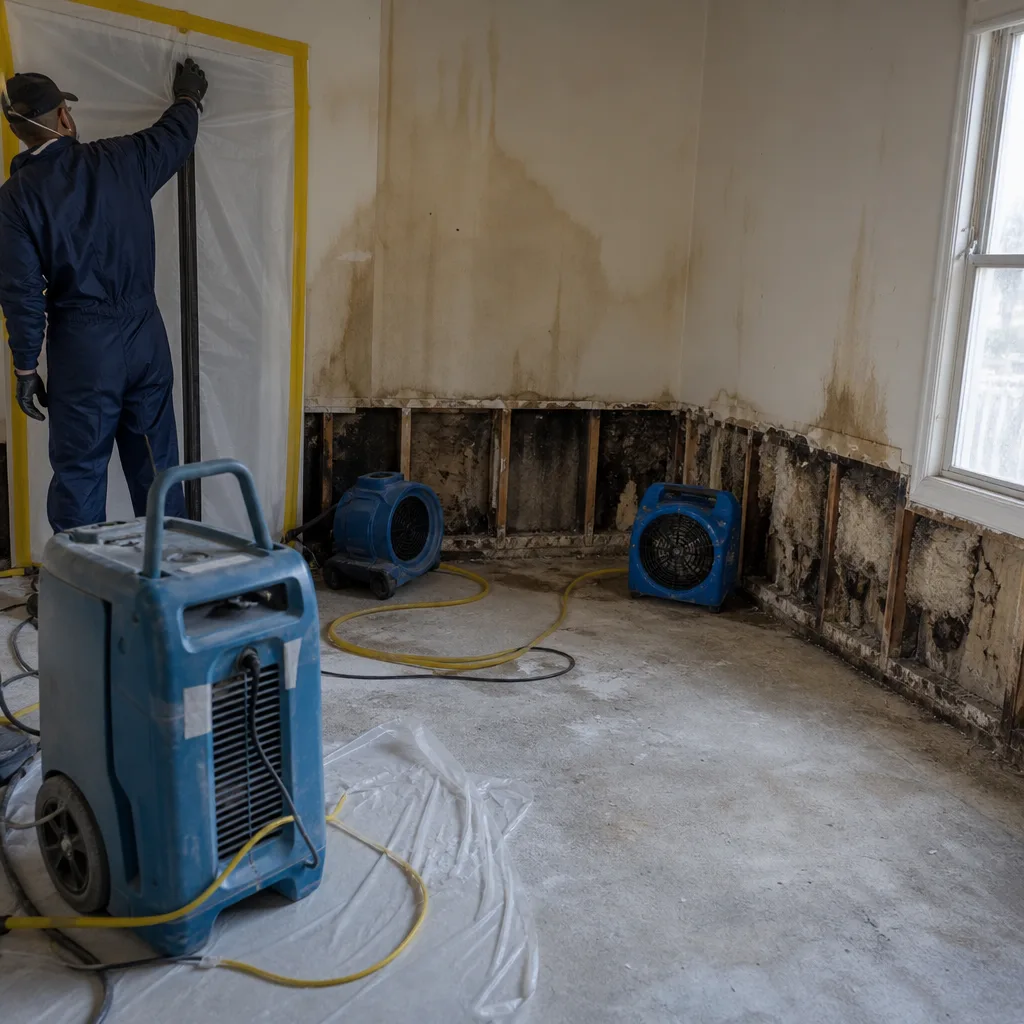 Before
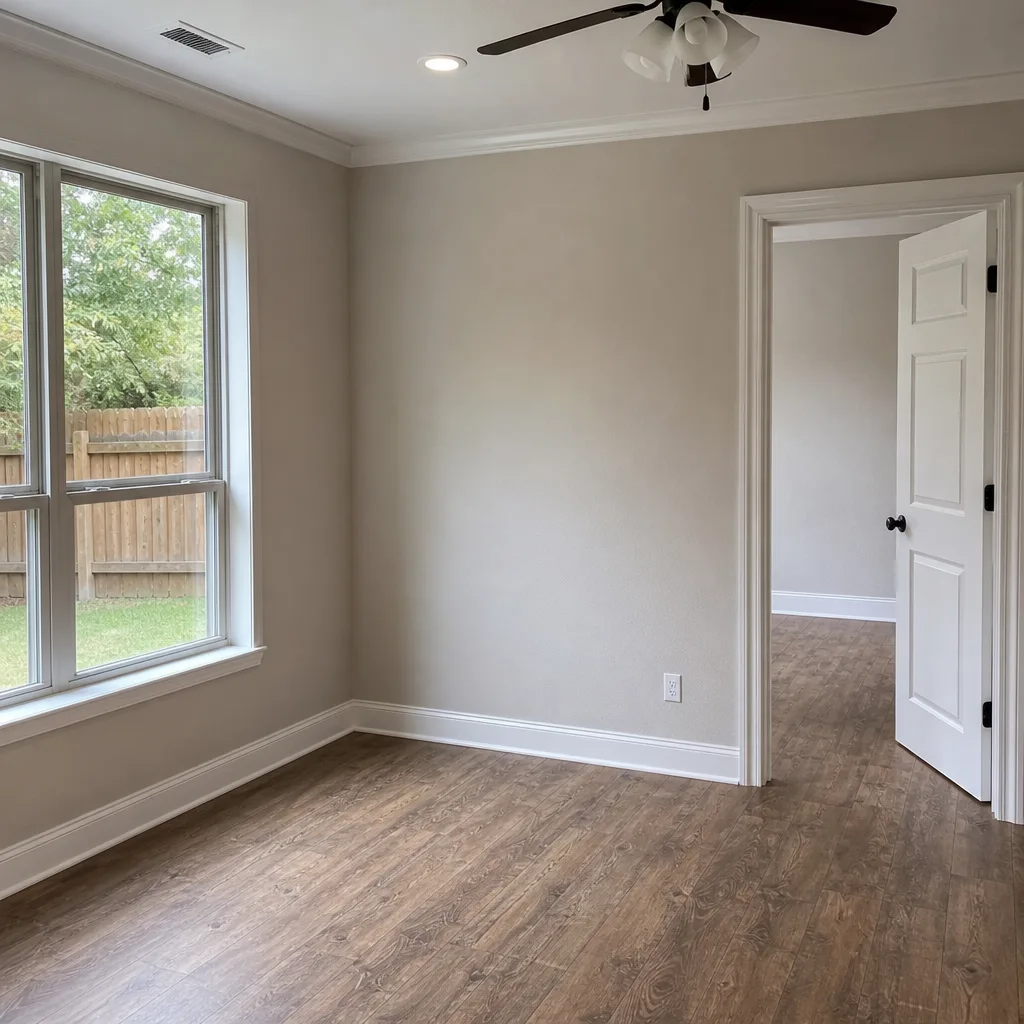 After
After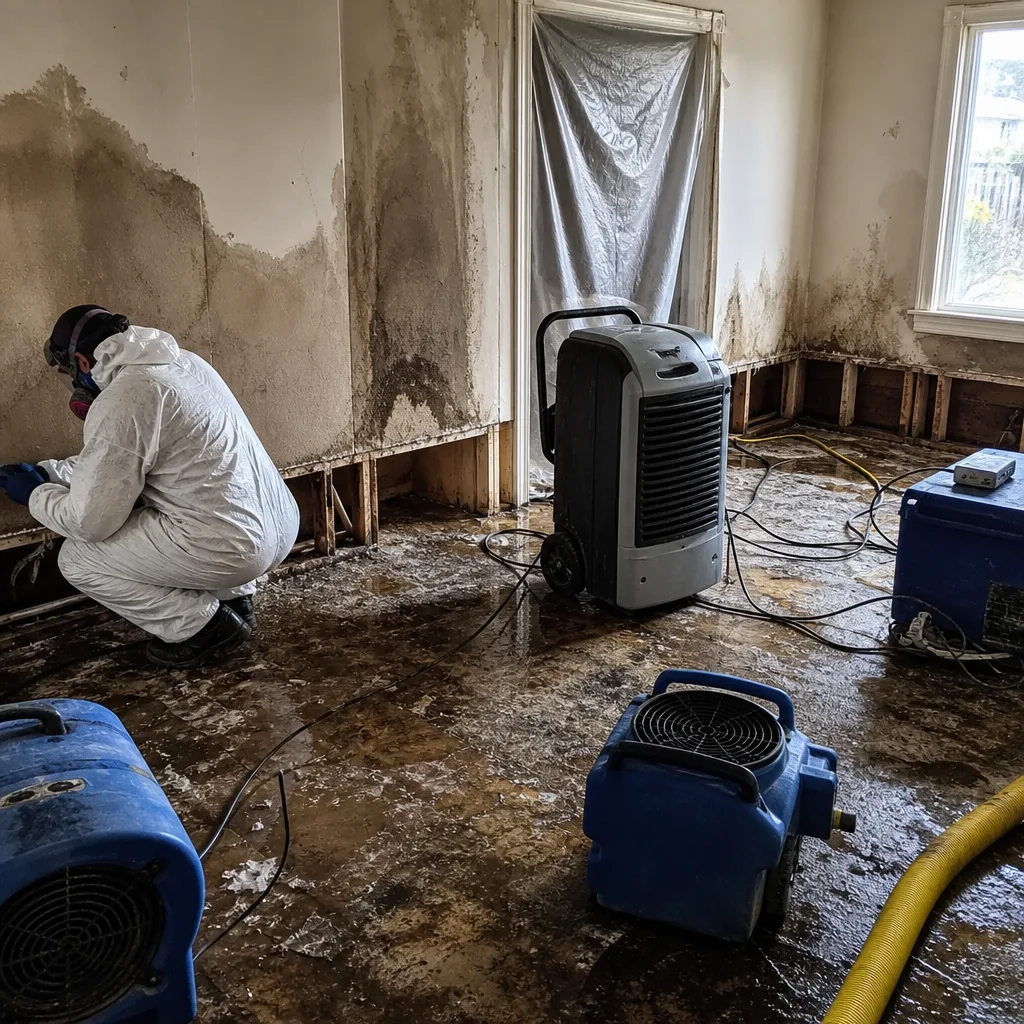 Before
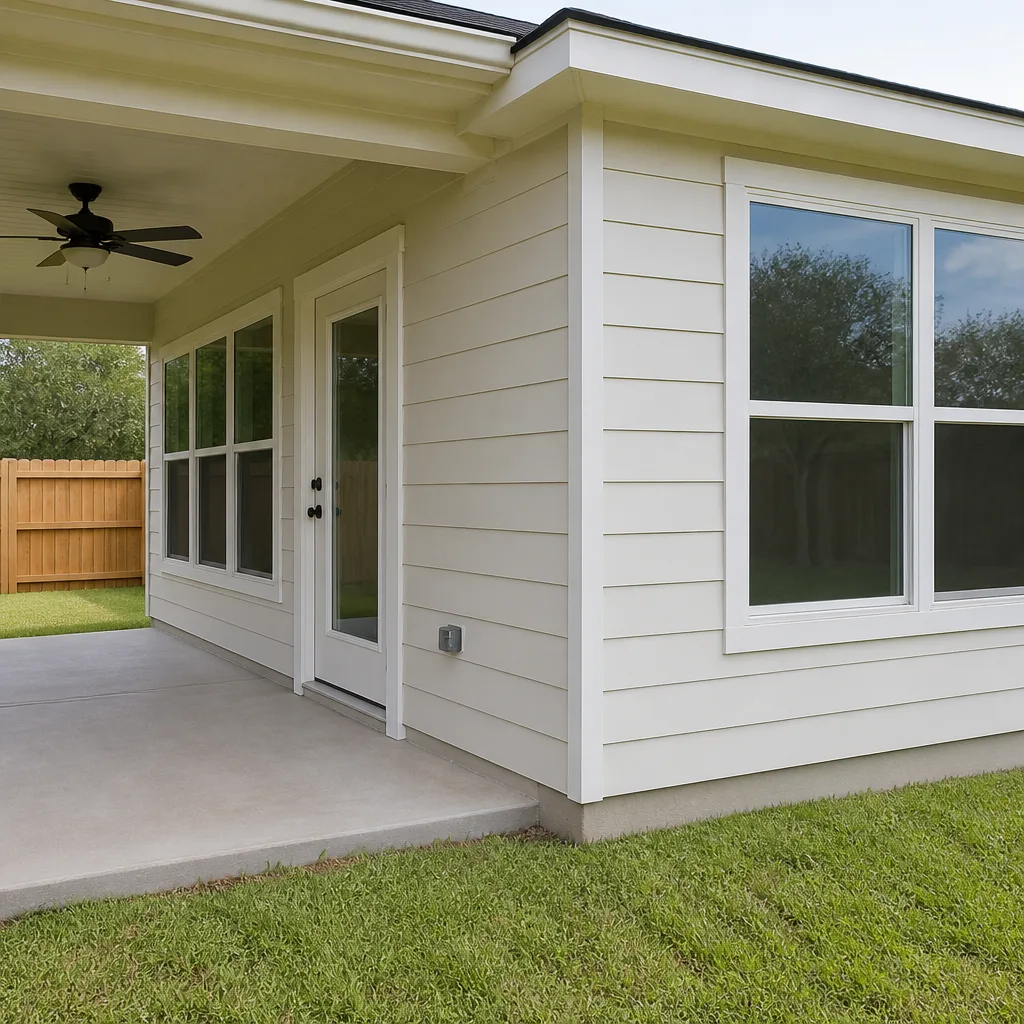 After
After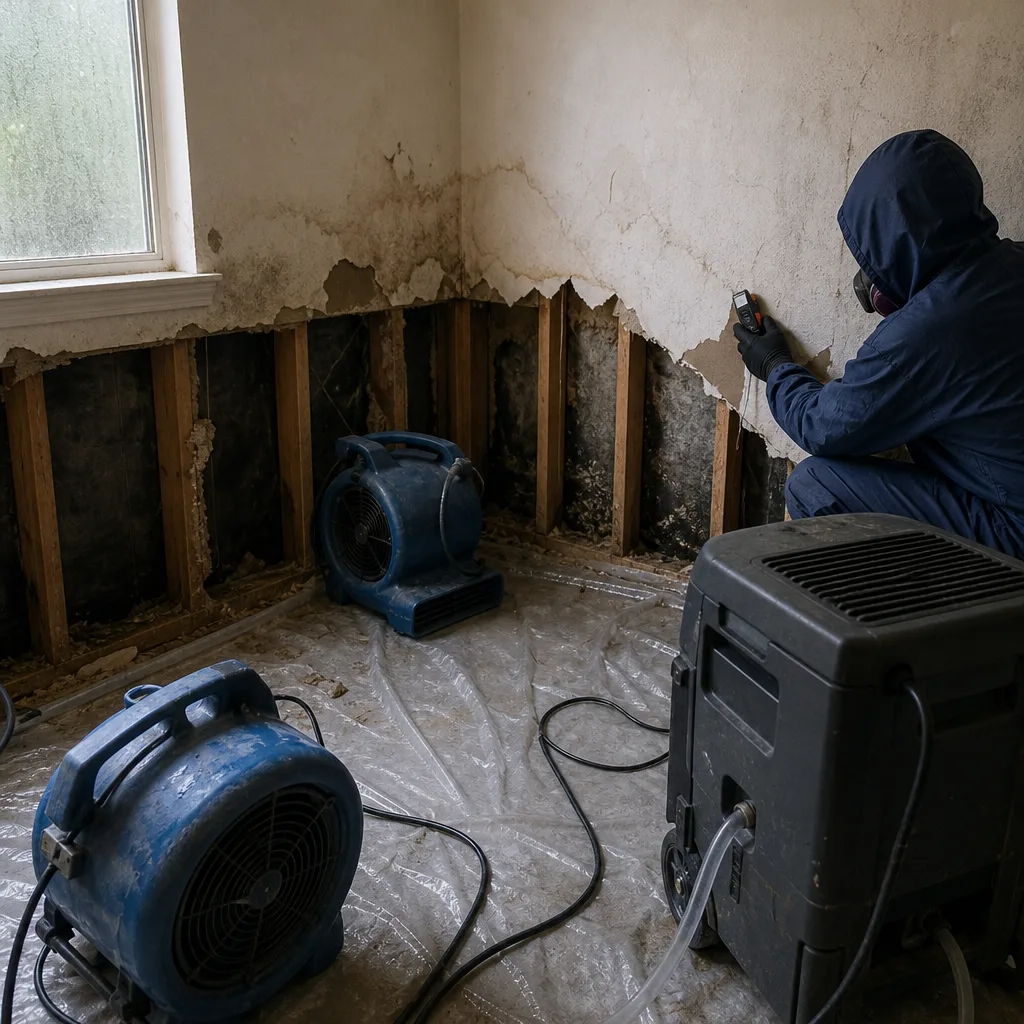 Before
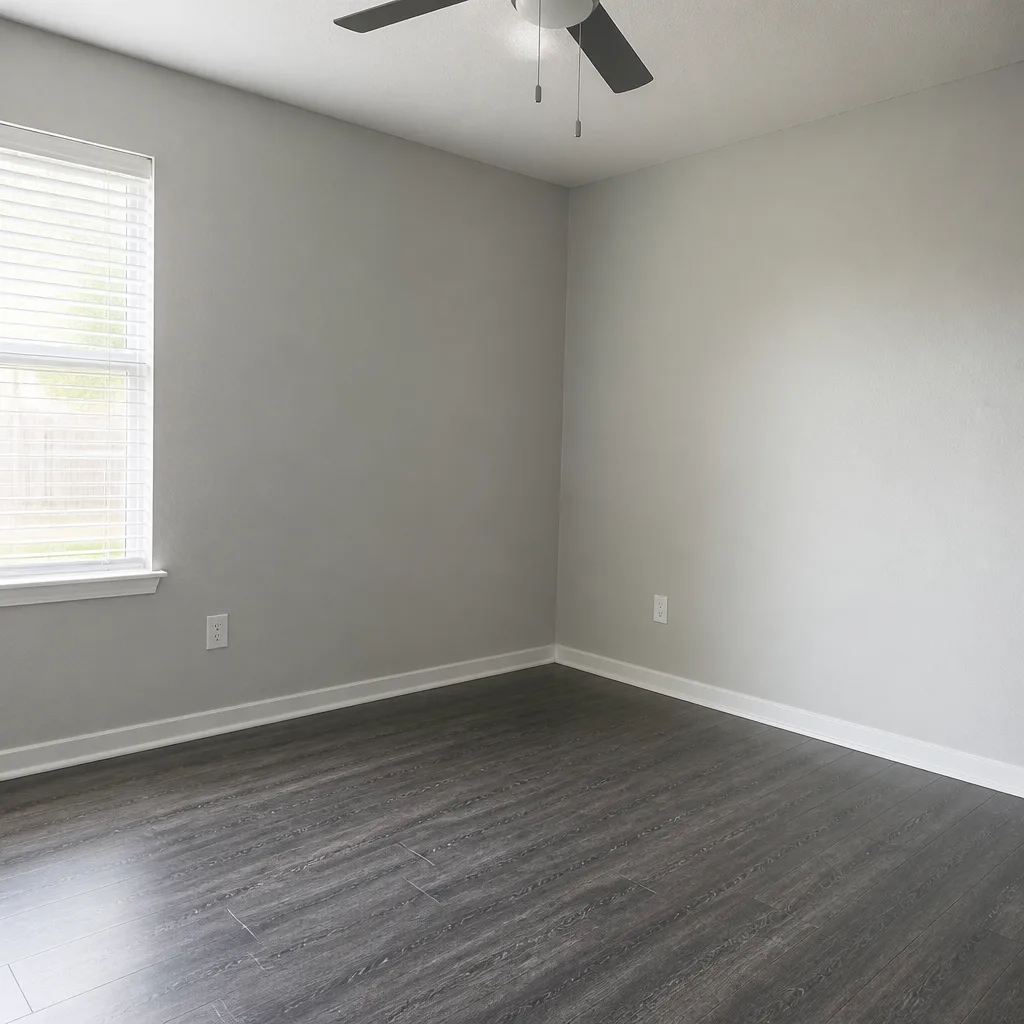 After
After