
Last updated October 16, 2026
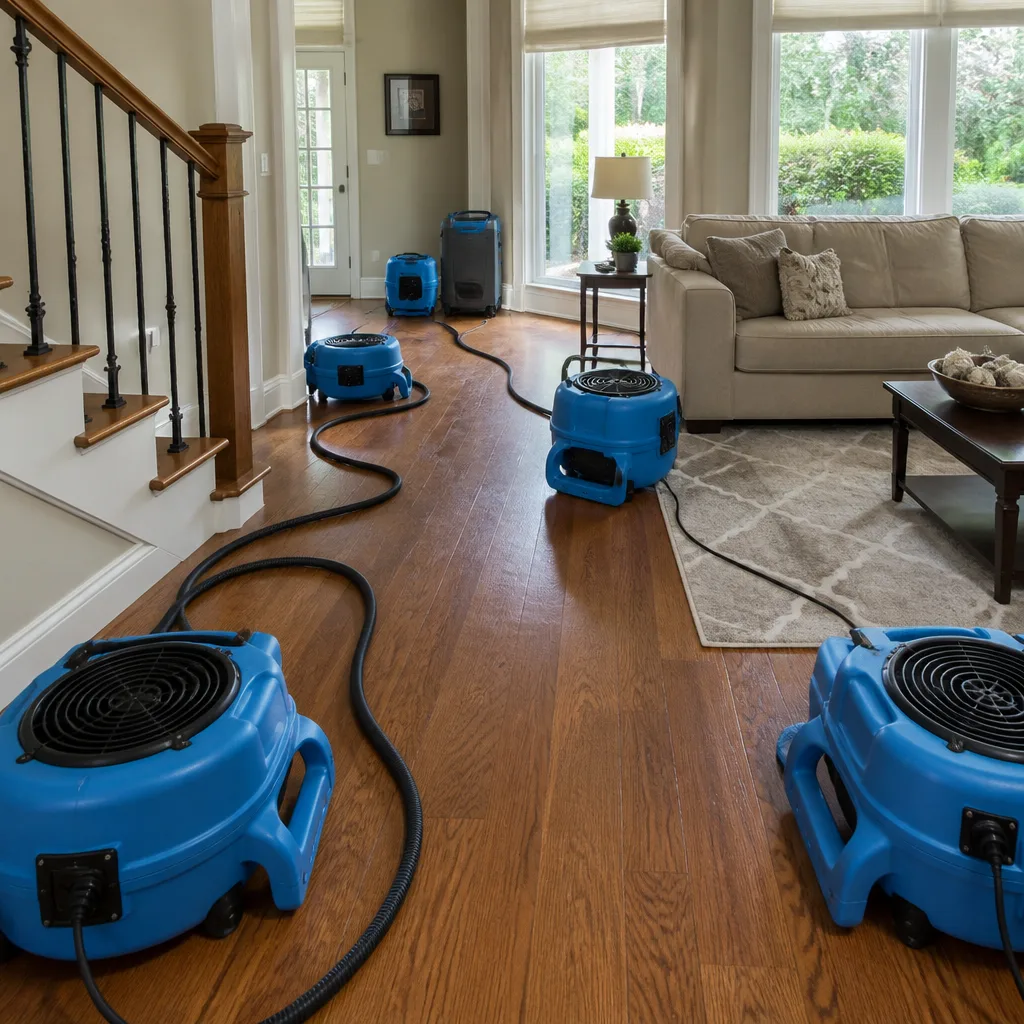 Water damage drying
 Fire & smoke cleanup
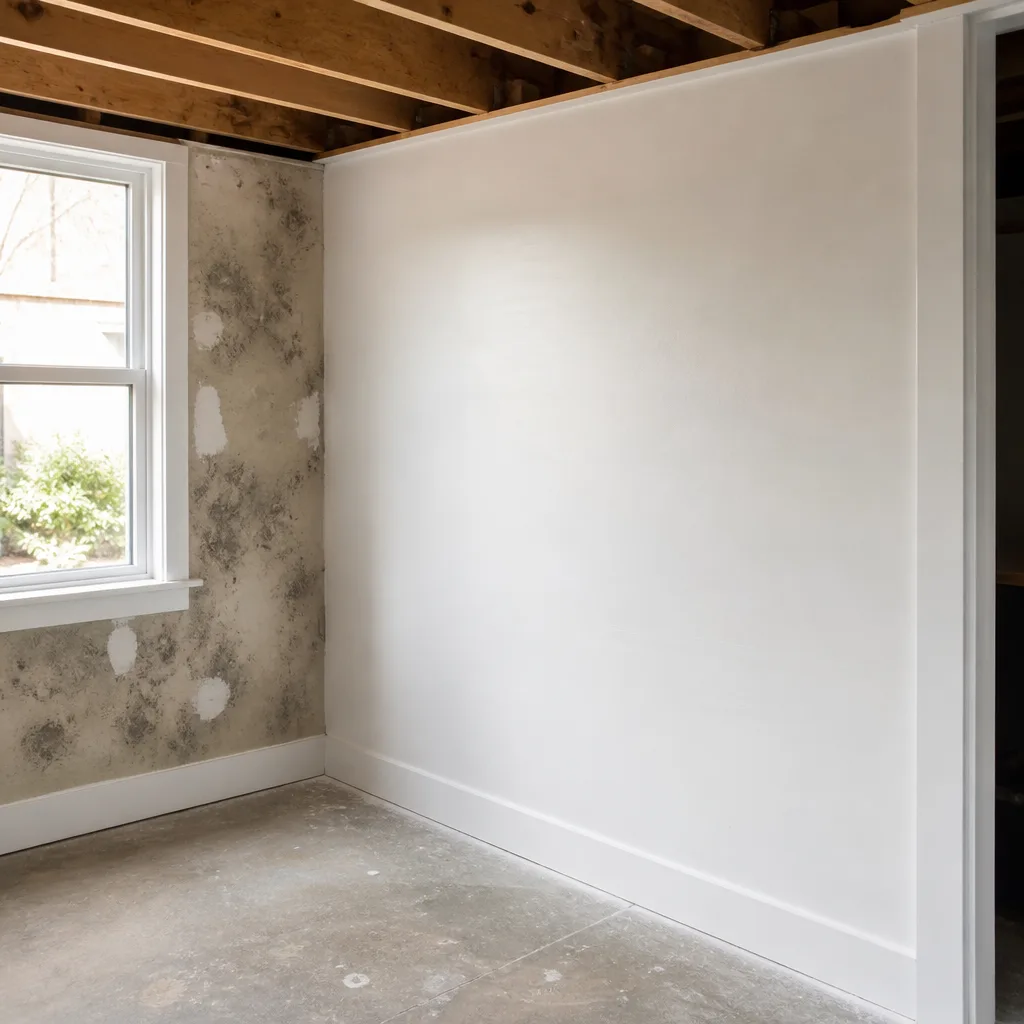 Mold remediation
 Storm response
 Sewage cleanup
 Reconstruction
Free visual inspection and a written scope of work before any mitigation begins - photos, moisture readings, and drying logs go in your claim file
The scope we write is the scope we bill. Anything new gets shown to you, in writing, before we touch it.
Get your free estimateThe Complete Guide to Damage Restoration in San Antonio
A 2023 IICRC study found that 40% of water damage callbacks involved moisture that was never actually measured – it was assumed dry. In San Antonio, where ambient humidity averages 65 to 70 percent year-round, that assumption costs families thousands in hidden mold, warped framing, and failed rebuilds. This guide walks you through every phase of damage restoration in San Antonio, what each phase protects, and how to tell a thorough job from a rushed one before you ever sign a work order. For damage restoration warning signs every San Antonio homeowner should know, see our dedicated reference.
Quick Answer
Damage restoration in San Antonio is a five-phase process: emergency mitigation, moisture mapping, structural drying, antimicrobial treatment, and rebuild. Each phase has a specific job, and skipping or shortcutting any one of them is the most common reason San Antonio homes develop mold within six weeks of a restoration company leaving. A complete restoration is measured, documented, and finished to a written dry standard – not to a technician’s opinion that things feel dry.
Restoration work we handle
Table of Contents
- Phase One: Emergency Mitigation
- Phase Two: Moisture Mapping and Why It Matters
- Phase Three: Structural Drying in San Antonio’s Humidity
- Phase Four: Antimicrobial Treatment and the Mold Window
- Phase Five: Rebuild and Return to Pre-Loss Condition
- Mitigation vs. Restoration: Why the Distinction Changes Your Invoice
- How Written-Price-First Billing Protects You at Every Phase
- Common Mistakes to Avoid
- When to Call a Professional
- Frequently Asked Questions
Phase One: Emergency Mitigation
Mitigation is the first and most time-sensitive phase of damage restoration in San Antonio. Its job is simple: stop the damage from getting worse. That means shutting off the water source, removing standing water, and beginning the drying process as quickly as possible. If a supply line bursts at 2 a.m., every hour that water sits increases the square footage of affected material. Sheetrock wicks water upward, hardwood absorbs it, and moisture moves into wall cavities faster than most homeowners expect.
What a proper mitigation crew does on arrival:
- Locates and stops the water source or confirms the source is already stopped.
- Documents the affected areas with photos before any equipment is placed.
- Extracts standing water using truck-mounted or portable extraction units.
- Removes unsalvageable materials like saturated carpet pad, wet insulation, and damaged drywall.
- Sets up initial air movers and dehumidifiers to begin drying.
- Explains exactly what was done, what comes next, and what the next 48 hours look like.
In San Antonio, this phase matters more than in drier parts of Texas. Our average relative humidity means wet materials do not air-dry on their own. A wet carpet in Phoenix might be dry in a day. The same carpet in San Antonio stays wet for a week, which is exactly when mold begins to colonize. Speed in phase one is not about pressuring you into a decision. It is about biology: mold needs moisture to grow, and San Antonio provides ambient moisture even before a leak happens.
If you are dealing with active water intrusion right now, start with our Water Damage Restoration in San Antonio page for the first-response steps that protect your home and your family.
Phase Two: Moisture Mapping and Why It Matters
Moisture mapping is the diagnostic step that separates professional restoration from guesswork. Before any drying equipment is placed, a technician should systematically measure moisture levels throughout the affected space using hygrometers, infrared cameras, and penetrating moisture meters. These readings are recorded on a map that shows exactly where water traveled, how wet each material is, and what the dry standard target is for each surface.
Here is what a moisture mapping report should include:
- Baseline readings for every affected wall, floor, and ceiling section.
- Readings from unaffected areas of the same material to establish the home’s dry standard.
- Identification of hidden moisture pockets behind baseboards, under cabinets, and inside wall cavities.
- Material-specific readings: wood, drywall, and concrete all measure differently.
- Written targets for each room that the drying process must reach before equipment comes out.
A tide mark is the line water leaves on a wall as it rises and recedes. It is the first thing our technicians look for on every job, because it shows exactly where the water level peaked. But the tide mark only tells you what happened on the surface. Moisture mapping tells you what happened inside the wall, under the floor, and behind the tile. That is why competent restoration companies in San Antonio will not skip this step. It is also why you should ask to see the mapping report, not just hear a summary.
The Tidemark Water Damage San Antonio home approach is built around the tide mark concept: we find exactly where water traveled, then dry past it. Not to it. Not near it. Past it. That is the difference between a home that stays dry and one that grows mold eight weeks later.
Phase Three: Structural Drying in San Antonio’s Humidity
Structural drying is the longest phase of most restoration jobs, and it is the phase most likely to be rushed. The goal is straightforward: bring every affected material back to its dry standard, which is the moisture content that material had before the water event. Drywall typically needs to measure below 12 percent moisture content. Hardwood usually needs to come back to 8 to 10 percent, depending on the time of year and the home’s normal conditions. These are numbers, not opinions, and they should be on the moisture map.
Why San Antonio’s climate changes the math:
- Ambient humidity of 65 to 70 percent means drying equipment works harder and longer here than in El Paso or Lubbock.
- Evaporation slows as the air fills with moisture, so dehumidifiers must run continuously, not on timers.
- Heat accelerates drying but can also warp wood if not balanced with proper airflow.
- Drying standards calculated for drier Texas cities will leave San Antonio homes with elevated moisture.
Professional equipment matters here in ways that rental units cannot match. We run Phoenix and Dri-Eaz dehumidifiers paired with high-velocity XPOWER air movers because those machines are built for exactly this kind of sustained work. B-Air and Injectidry systems allow us to dry hard-to-reach cavities, which is where hidden moisture tends to live. The goal is to dry the structure, not just the room.
You should expect daily moisture readings during this phase. If a company sets equipment and returns five days later with a single reading, that is not structural drying. That is equipment rental with a logo on it. A proper drying log shows daily progress against the written targets, and equipment comes out only when every reading meets the standard.
Phase Four: Antimicrobial Treatment and the Mold Window
Mold becomes a real risk in San Antonio within 48 to 72 hours of water intrusion. That window shortens when the water is warm, the air is humid, and the affected material is porous – which describes most San Antonio summers. Antimicrobial treatment is the phase that interrupts mold growth on affected surfaces before it becomes a separate, larger problem.
This phase is not the same as Mold Remediation in San Antonio. Antimicrobial treatment is preventive. It is applied to surfaces that got wet and might harbor spores, even though no visible mold is present. Mold remediation is a separate, more extensive process for when colonies have already formed. The two are related, but a complete water damage restoration should include the preventive step. If your restoration company skips it, you are betting that no spores found your wet drywall. That is a bad bet in San Antonio.
What we apply and why:
- EPA-registered antimicrobial products chosen for effectiveness against common household molds.
- Pet-safe formulations where there is a choice, because the home has to be livable for every family member.
- Application to affected cavities, not just visible surfaces, because mold grows where you cannot see it.
- Documentation of what was applied, where, and when, so there is a record if questions come up later.
For homes with children and pets, we use lower-decibel settings on drying equipment during school hours and nap time where possible. The crew respects the family’s rhythm, not just the job site. That matters after a water event, when children are already out of their routine and parents are managing enough.
Phase Five: Rebuild and Return to Pre-Loss Condition
Rebuild is the final phase of damage restoration in San Antonio, and it is where the quality of earlier phases shows up. This is the stage where drywall is replaced, paint is matched, flooring is installed, and the home is returned to its pre-loss condition. If mitigation was rushed, moisture mapping skipped, or drying ended a day early, the rebuild will hide the evidence – for about six weeks. Then the mold bloom, the warped floor, or the peeling paint tells the real story.
A proper rebuild includes:
- Verification that all structural drying targets were met before any material is closed up.
- Replacement of damaged drywall, insulation, and trim to match existing profiles.
- Flooring repair or replacement matched to the surrounding material.
- Paint and finish work that blends with undamaged areas.
- A final walkthrough with the homeowner before the crew leaves.
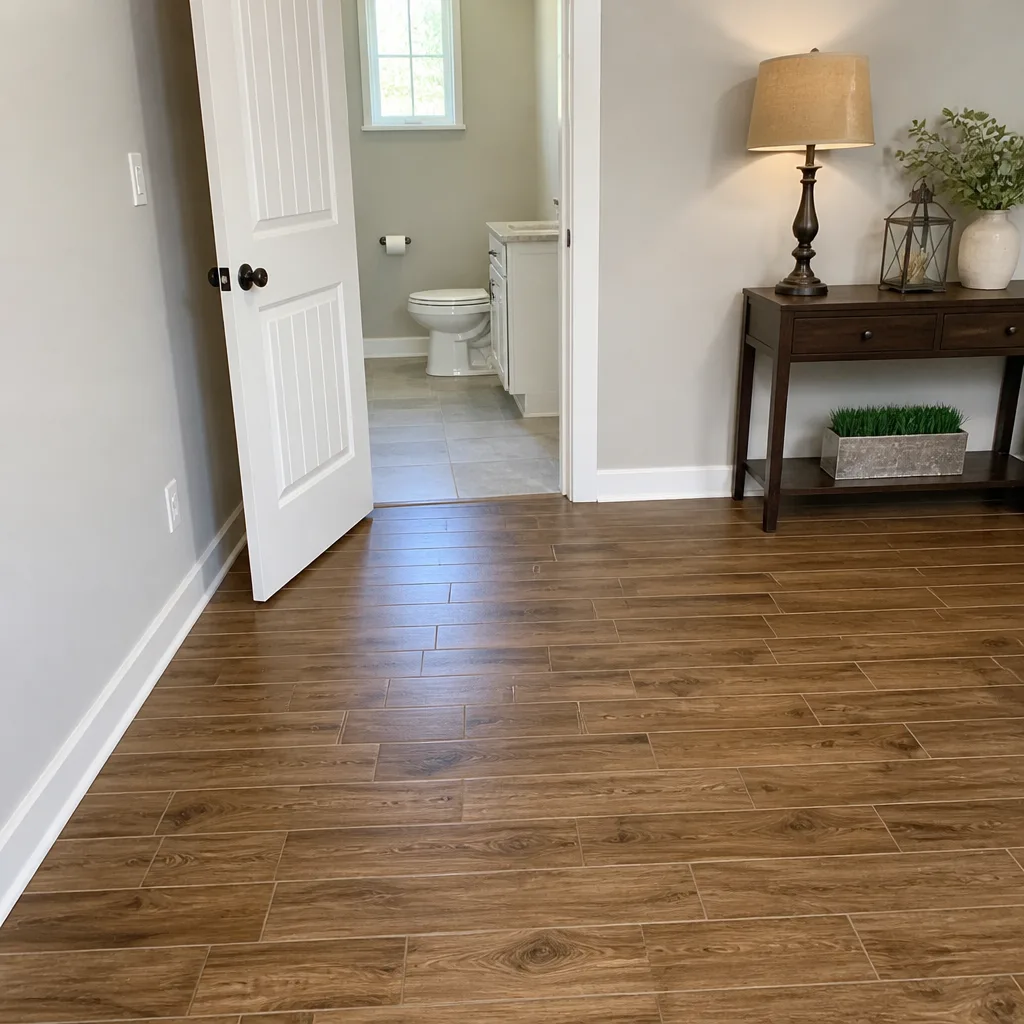
- A photo of the clean-up shared with the homeowner, so you see exactly what was done and how it was left.
We take that final photo on every job, before the crew pulls out of the driveway. Shoe covers go on at the door. Drop cloths cover the floor before the first piece of equipment comes in. Clean up like it is our own home. Ask before we move or touch anything. Respect the family’s time and quiet hours. Explain the price before the work. Those are not slogans. They are the operating rules on every job we run in San Antonio.
Mitigation vs. Restoration: Why the Distinction Changes Your Invoice
Not every company that shows up after a water event does both mitigation and restoration. Some contractors only do mitigation: extract the water, set the fans, pull the equipment, and leave. Others only do the rebuild once the drying is done. The problem is that the handoff between two companies creates gaps, and gaps are where San Antonio humidity does its worst work.
Here is the distinction in plain terms:
- Mitigation stops the damage. It is the emergency response, extraction, and drying.
- Restoration returns the home to pre-loss condition. It is the rebuild, finishing, and final walkthrough.
When one company handles both, there is a single line of accountability. There is no argument about who failed to dry the wall cavity when the paint starts bubbling three weeks after the rebuild. There is no back-and-forth between a drying crew that says they hit the target and a rebuild crew that says the target was wrong. The moisture map, the drying log, and the rebuild plan all live in one file, with one company standing behind the whole process.
Ask any contractor before you hire: do you do both mitigation and restoration, or do you subcontract part of it? If they subcontract, find out who handles the handoff and who owns the warranty if something goes wrong at the seam. In our experience, that seam is where San Antonio restoration jobs most often fail.
How Written-Price-First Billing Protects You at Every Phase
Most San Antonio restoration companies bill on a time-and-materials basis. Here is how that plays out in real life: a crew arrives for mitigation, hours are logged, materials are used, and the invoice grows as the walls come open. Then the rebuild phase starts, and the same thing happens again. Homeowners frequently tell us they had no idea what the final number would be until the final invoice arrived.
A written price before any work starts changes that dynamic for every phase of the job. You see the number for mitigation, the number for drying, the number for treatment, and the number for rebuild – before anyone picks up a tool. If the scope changes because hidden damage is discovered, that is explained and priced in writing as a change order, not discovered later as a surprise line item.
This is what the written-price-first model protects you from at each phase:
- Mitigation: You are not paying for equipment you did not approve, placed by a crew that was in too much of a hurry to explain it.
- Moisture mapping: You are not charged for diagnostic work that should be standard practice anyway.
- Structural drying: You are not billed for extra days of equipment rental because the target was never defined.
- Antimicrobial treatment: You are not upsold on products you did not ask for, applied in ways you never saw.
- Rebuild: You are not surprised by a final invoice that doubled from the initial estimate.
The 365-Day Done Right Promise backs every one of those phases. If the restoration is not done right, we make it right. That promise is only meaningful if the company offering it will still answer the phone a year later. We have been independent and locally operated in San Antonio since 2006, and we answer our own phones. That is the kind of accountability a written price and a real promise are built on.
Common Mistakes to Avoid
- Hiring a mitigation-only contractor without asking who handles the rebuild. The handoff gap is where San Antonio humidity ruins drying work. One company should own the process end to end.
- Accepting “it feels dry” as a substitute for moisture readings. Dry standard is a number. If the technician cannot show you the meter reading and the written target, the room is not confirmed dry.
- Letting a contractor seal up walls before antimicrobial treatment is applied. Closing a cavity that has not been treated is how mold problems start six weeks after the job is done.
- Skipping the written price because the emergency feels urgent. Emergency is real, but a written scope and price can be produced in under an hour before work begins. If a contractor will not put the number in writing, that is the reason.
- Using drying equipment calibrated for a drier city. San Antonio’s 65 to 70 percent ambient humidity means dehumidifiers must run longer and fans must be positioned for continuous airflow. Equipment placement and capacity should be planned for our climate, not pulled from a national template.
- Assuming insurance will handle everything without your involvement. Photo documentation, moisture logs, and written scopes are what help your adjuster approve a claim. A company that provides those documents makes the insurance process measurably easier.
- Not asking about pet-safe products if you have animals in the home. There are safer antimicrobial and drying agent options. A restoration company should be able to tell you what they use and why it is appropriate for a household with pets.
When to Call a Professional
Call a restoration professional when water has moved beyond a single visible surface. A small spill you can towel up yourself is one thing. Water that has soaked into flooring, wicked into drywall, or pooled in a wall cavity is another. In San Antonio’s humidity, you have about two days before mold biology starts working against you. If you see water staining on ceilings, baseboards peeling, flooring cupping, or you smell a musty odor that was not there before, the damage is already beyond DIY range. Also call if the water source is a sewage backup or contains gray water from an appliance – those introduce contamination that requires professional antimicrobial treatment, not just drying.
For Fire Damage Restoration in San Antonio, professional help is always recommended: fire damage combines water from suppression efforts, soot, and structural compromise. The overlap of water and fire damage requires the full five-phase process, not a patch job.
Tidemark Water Damage San Antonio offers free estimates in San Antonio – call (325) 230-0537 and a live person will answer, day or night.
Frequently Asked Questions
Most water damage restoration jobs in San Antonio homes run between $2,500 and $12,000, depending on the size of the affected area, how long water sat, and whether rebuild work is needed. Mold remediation typically ranges from $1,800 to $6,000, and fire damage restoration often starts around $7,000 and goes up with structural work. You should see a written number before any work starts, not an estimate that grows as the walls come open. Call (325) 230-0537 for a free estimate on your specific situation.
Emergency mitigation usually takes one to two days. Structural drying in San Antonio’s humidity typically runs three to five days, sometimes longer for saturated hardwood or multi-story intrusions. Antimicrobial treatment adds a half day to a day. Rebuild work depends on scope: a single room might take three to five days; a full-home restoration can take several weeks. A 1,500-square-foot water damage job with moderate rebuild work commonly takes eight to fourteen days from first call to final walkthrough.
Most standard homeowners policies in Texas cover sudden and accidental water damage, such as a burst pipe or appliance failure, plus fire and smoke damage. Gradual leaks, flood damage from rising water, and mold that grew over time without a covered event are often excluded unless you have specific riders. Photo documentation, moisture maps, and written scopes make the adjuster’s job easier and help substantiate your claim. We document every phase of the job, because a clear paper trail is what gets claims approved.
A live person answers our phones 24 hours a day, 7 days a week, and mitigation crews in San Antonio are typically dispatched the same day you call. Water damage does not wait for business hours, and neither do we. For the fastest response, call (325) 230-0537 as soon as you notice water where it should not be.
If water sat for more than 48 hours, or if you can see mold growth, smell a musty odor, or have water that came from sewage, a surface cleaning is not enough. The affected materials need to be dried to a written standard, treated with antimicrobial products, and replaced where the structure is compromised. In San Antonio’s humidity, the margin between “just a cleaning” and “mold remediation” is thin and gets thinner every day you wait.
You deal with your adjuster, but a good restoration company prepares the documentation your adjuster needs. That includes before and after photos, moisture maps, drying logs, antimicrobial application records, and written scopes for each phase. We provide all of that as part of the job, and Rick Sumner has walked hundreds of San Antonio homeowners through the claims process since 2006. The goal is that your adjuster gets a complete picture, not a partial one.
The Bottom Line
Damage restoration in San Antonio is not one event. It is five phases, and each phase has a job that protects the next one. Skip mitigation and the water spreads. Skip moisture mapping and you do not know what you are drying. Shortcut structural drying and San Antonio’s humidity will find the leftovers. Skip antimicrobial treatment and you buy a mold problem on layaway. Rush the rebuild and you hide all of it until the warranty of a lesser company has expired. A thorough restoration is measured, documented, priced in writing before work starts, and backed by a promise a real person will stand behind. That is the standard your home deserves, and the standard we bring to every job in San Antonio. Explore more guides & resources to protect your home before and after water damage.
Written by Rick Sumner, Owner at Tidemark Water Damage San Antonio, serving San Antonio since 2006.
See the difference
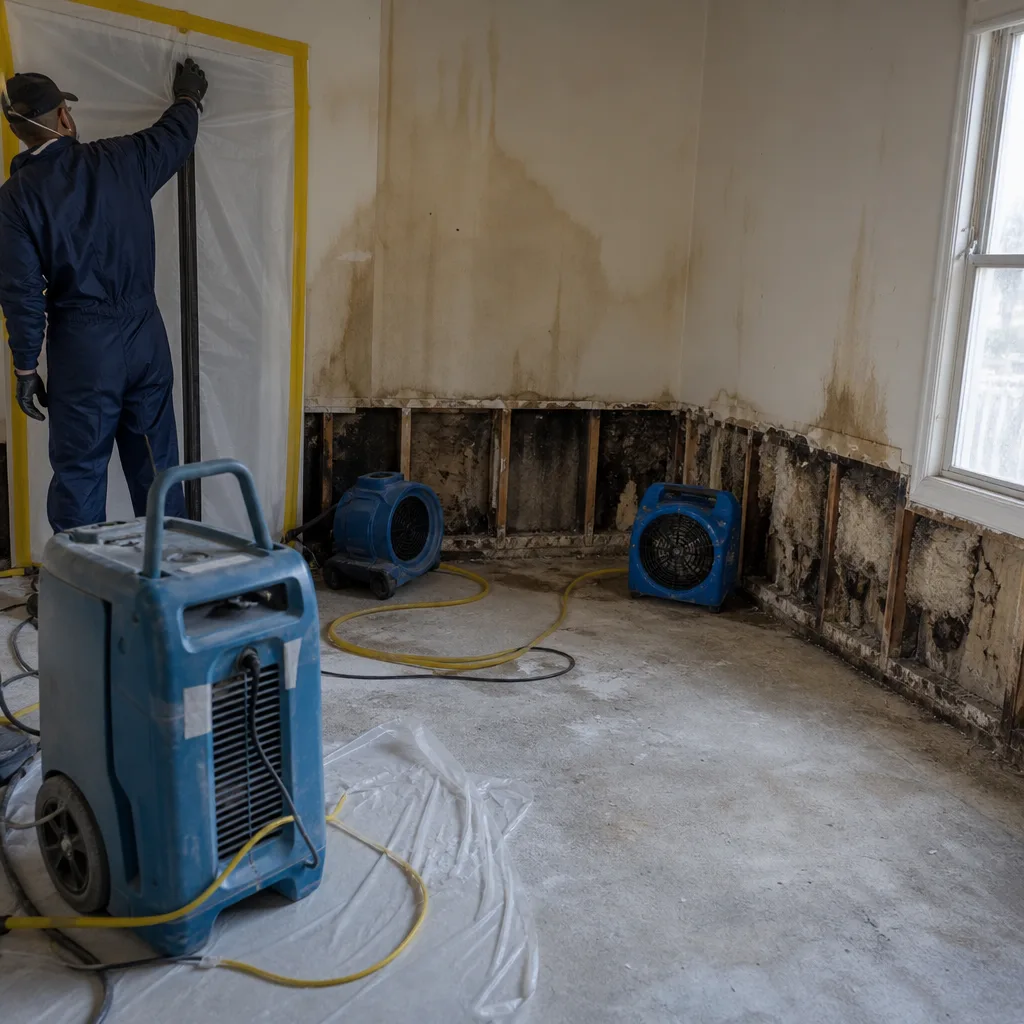 Before
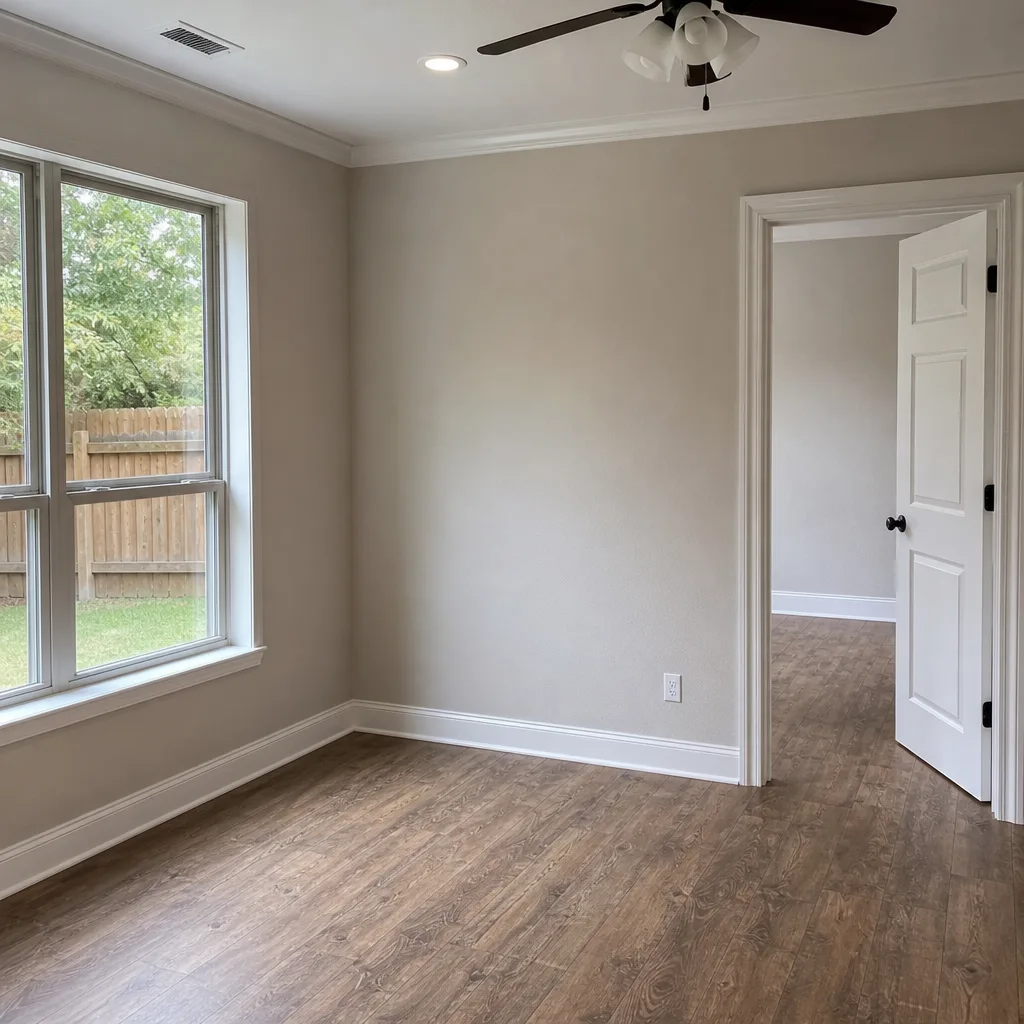 After
After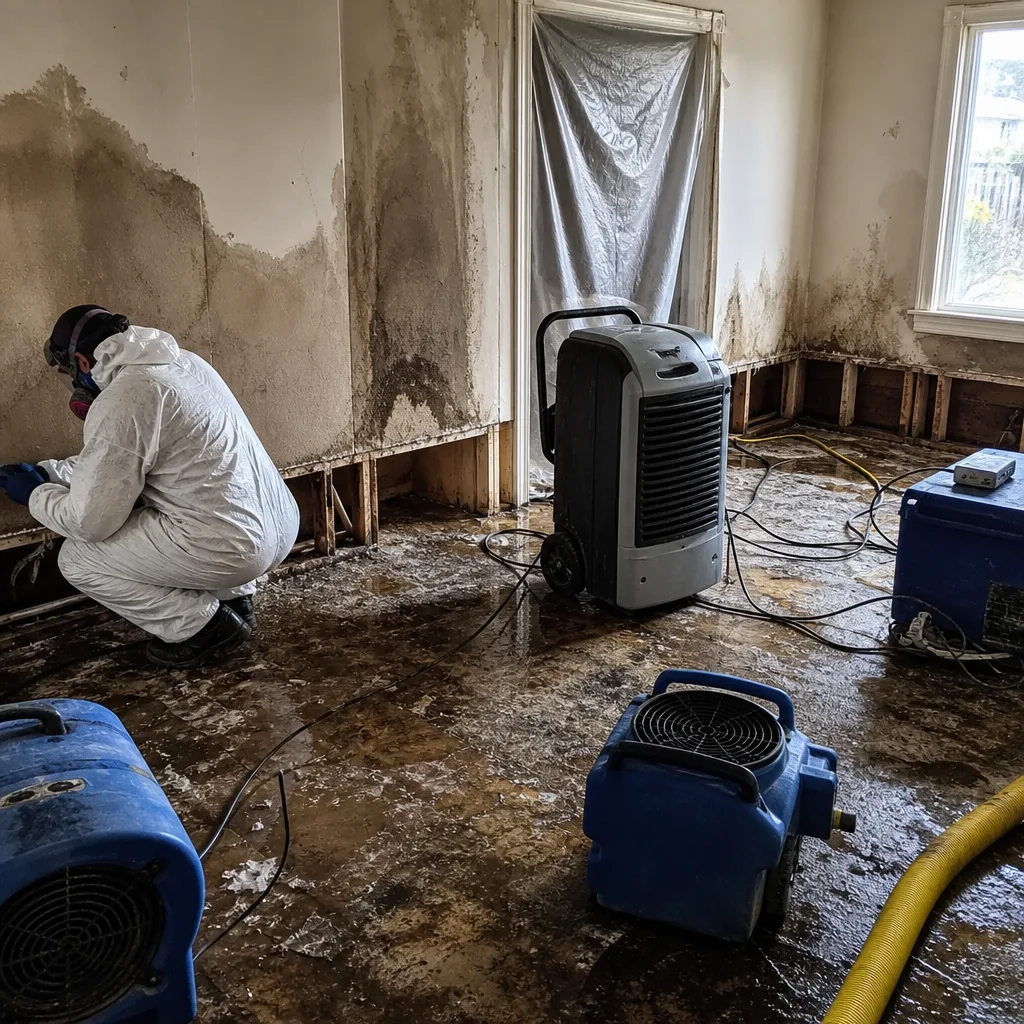 Before
 After
After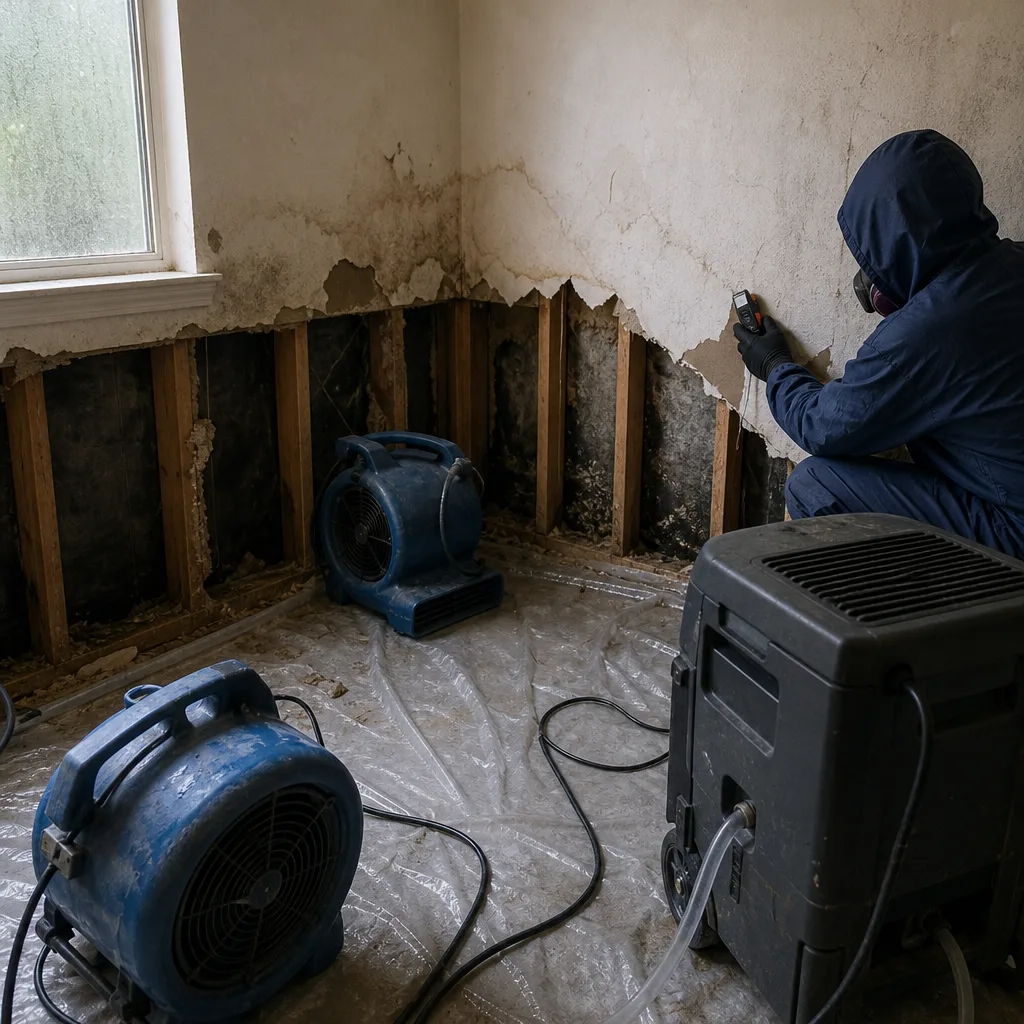 Before
 After
After