
Last updated October 16, 2026
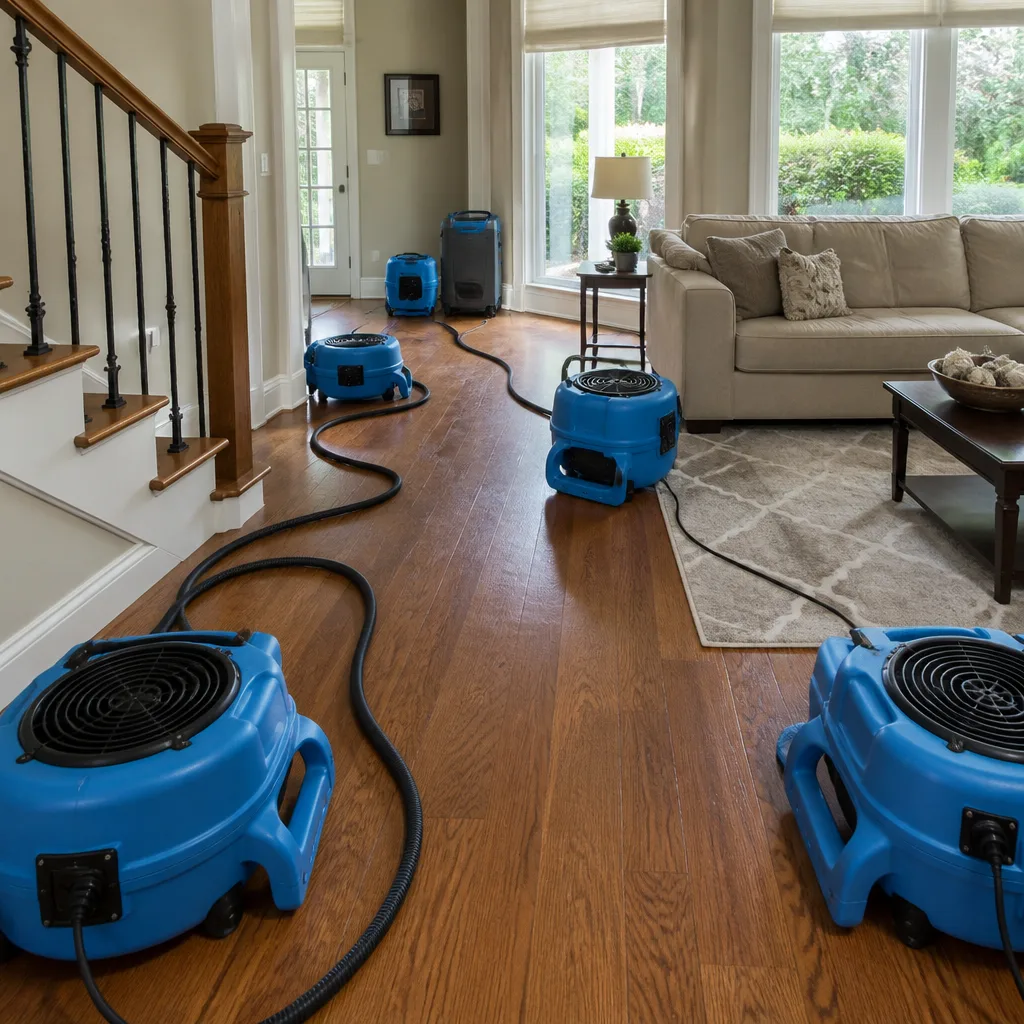 Water damage drying
 Fire & smoke cleanup
 Mold remediation
 Storm response
 Sewage cleanup
 Reconstruction
Free visual inspection and a written scope of work before any mitigation begins - photos, moisture readings, and drying logs go in your claim file
The scope we write is the scope we bill. Anything new gets shown to you, in writing, before we touch it.
Get your free estimateDamage Restoration Permits, Codes & Inspections in TX: What You Need to Know
Most San Antonio homeowners never think about permits until a project is already underway, and by then the framing is often wrong. The question is not simply “do I need a permit?” but “what does skipping a permit cost me at resale and at my next insurance claim?” In Texas, that answer is specific, documented, and more consequential than most contractors will volunteer because it lives in the Texas Property Code, municipal inspection records, and insurance policy language, not in the marketing brochure. This guide walks through exactly where permits are triggered in water, fire, and mold restoration, what San Antonio and Bexar County actually enforce under the 2021 International Residential Code, and how a compliant job file protects you five years after the crew has left. For more guides & resources on protecting your home, see our blog.
Quick Answer
Water damage restoration in Texas requires a permit when the scope touches structural framing, electrical systems exposed during demolition, or plumbing alterations beyond a direct equipment swap. In San Antonio, that means pulling permits through the City of San Antonio Development Services Department for wall cavity drying that exposes studs, any electrical panel work, and water line replacements, then closing the job with inspection sign-offs that become part of your permanent home file. A San Antonio homeowner who sells without disclosing unpermitted restoration work can face civil liability under Texas Property Code Section 5.008, and “the contractor didn’t mention permits” is not a legal defense.
Table of Contents
- What Actually Triggers a Permit in Texas Restoration Work
- San Antonio Codes: What the 2021 IRC Means Locally
- Texas Property Code Section 5.008: Disclosure at Resale
- CPS Energy and SAWS: When Restoration Touches Utilities
- Insurance Claims and Unpermitted Work: What Carriers Can Do
- What a Compliant Job File Looks Like
- Common Mistakes to Avoid
- When to Call a Professional
- Frequently Asked Questions
- The Bottom Line
What Actually Triggers a Permit in Texas Restoration Work
The Texas Department of Licensing and Regulation does not issue a single “restoration permit” that covers every job. Instead, restoration work falls under the same building, electrical, and plumbing permit rules as any renovation, filtered through the scope of what the damage actually exposed. Here is the line that matters: a permit is triggered when the restoration scope moves from cleaning and drying into structural, electrical, or plumbing alteration. Drying carpet with air movers? No permit. Removing drywall to dry a wall cavity and then replacing that drywall? That is where the conversation starts.
Under the 2021 International Residential Code (IRC), which Texas adopted statewide and which San Antonio enforces through local amendments, these specific restoration activities trigger a permit:
- Structural drying of wall cavities: When technicians cut out wet drywall to expose studs and wall cavities for drying, the cut-out exceeds a cosmetic repair. The replacement of drywall on an exterior or load-bearing wall is regulated work, and San Antonio inspectors want to see that the cavity was dried to an acceptable moisture content before the wall is closed back up.
- Electrical work exposed during demolition: Water and fire restoration often exposes wiring, junction boxes, or a panel that was wet, scorched, or damaged. Any repair, replacement, or reconnection of that electrical work requires an electrical permit through the City of San Antonio and a CPS Energy inspection if the panel itself is involved.
- Plumbing alterations: Replacing a section of supply line, re-piping a water heater connection, or moving a drain line after water damage is plumbing work requiring a permit and, where the main water supply is involved, a SAWS coordination check.
- Fire restoration involving framing: After a fire, charred framing members often need to be sistered, scabbed, or replaced entirely. Any structural framing work is a building permit trigger, full stop.
- Mold remediation that requires containment and removal of porous materials: Texas does not license mold remediators separately at the state level the way some states do, but San Antonio’s adopted property maintenance and building codes still govern how the work is done when walls come down and materials are removed.
The counterintuitive part is that the most common restoration job in San Antonio, a supply line leak that soaks a wall and baseboards in a bathroom, often lands right on the permit line. If drying requires removing baseboards and cutting drywall 12 to 24 inches up the wall to expose the cavity, that scope can technically require a re-inspection when the cavity is closed. Many homeowners never hear this because the contractor does not want to slow the job down, and that is exactly where the resale and claims risk begins. Our Damage Restoration Warning Signs: A San Antonio Homeowner’s Reference Guide covers other red flags to watch for.
San Antonio Codes: What the 2021 IRC Means Locally
San Antonio enforces the 2021 International Residential Code with local amendments through the Development Services Department. For restoration work, the practical effect is that the city treats a restoration opening in a wall the same way it treats a remodel opening: if the work exposes structural framing, insulation, or electrical components, the city expects that work to be done to code and closed with an inspection when the scope meets certain thresholds.
In our experience across San Antonio neighborhoods, from Alamo Heights to Stone Oak to the older bungalows in Monte Vista and Dignowity Hill, the permit threshold questions come up most often on three types of jobs:
- Older homes with original plumbing: A cast iron drain line or galvanized supply line fails, water soaks the wall and floor framing, and the repair scope grows from “dry the area” to “replace the section.” That replacement is plumbing work requiring a permit, and the age of the home means the surrounding framing may have code deficiencies that need correction while the wall is open.
- Post-fire restoration with panel involvement: A kitchen fire that scorches the wall behind the range and damages wiring running to the panel is an electrical permit situation. CPS Energy has inspection authority over anything connected to the service entrance or meter loop, and the city has inspection authority over the branch circuits.
- Flood and storm restoration in low-lying areas: Repeated flooding in neighborhoods near Salado Creek or along the Olmos Basin means some homes carry a history of flood mitigation work. When restoration touches subfloor, sill plates, or insulation exposed to floodwater, the city’s property maintenance code and the FEMA 50% rule for substantial improvement can come into play, and a permit is the first step in documenting compliance.
The San Antonio climate adds a layer most out-of-town guides miss. Our high humidity and long shoulder seasons mean that a wall cavity not dried properly before closure will hold moisture for months, and a closed-up wall with trapped moisture is a mold source. The city’s inspection process, slow as it can feel during a restoration when the family wants their house back, is the backstop that the cavity was actually dry before the drywall went back on. That inspection record is also the document that protects the homeowner if a future issue arises in the same wall.
For a deeper look at how drying and wall cavity work fits into the restoration process, see Water Damage Restoration in San Antonio.
Texas Property Code Section 5.008: Disclosure at Resale
Here is where most homeowners get into real trouble, and most contractors never bring it up because it is not their liability on the other end. Section 5.008 of the Texas Property Code requires sellers of residential real property to complete a Seller’s Disclosure Notice that includes, among other things, any “material defects” in the property. The disclosure form asks specifically about previous flooding, water penetration, mold, and repairs made to the property, including whether the repairs were made with or without permits.
A homeowner who had water damage restored without a permit and then sells without disclosing that unpermitted work has a problem. If the new owner discovers the unpermitted repair and it relates to a defect that matters, the seller can face civil liability for misrepresentation or failure to disclose under the Texas Deceptive Trade Practices Act and the Property Code. The phrase we hear most often from homeowners who call us after the fact is “the water restoration company never said anything about permits.” Texas courts and the Texas Real Estate Commission have been consistent: the seller’s disclosure obligation cannot be offloaded to a contractor.
What counts as a material defect in the context of restoration work?
- Any repair to structural framing, foundation elements, or load-bearing walls that was done without a permit and without an inspection sign-off.
- Mold remediation in a wall cavity, crawl space, or attic where the Seller’s Disclosure Notice asks directly about mold and the remediation was not documented with a clearance or inspection record.
- Electrical or plumbing alterations made during restoration that were never inspected by the city or the relevant utility.
- Water penetration events that recurred in the same area, even if repaired, because the disclosure form asks about “previous water penetration” and “any repairs made” in plain language.
The practical takeaway is not that every restoration job needs a permit. It is that every restoration job needs a paper trail, and if a permit was required and not pulled, the disclosure gap at resale is a legal exposure that survives the closing table. A buyer’s inspector who finds evidence of recent drywall replacement will often check city permit records, and the absence of a permit for work that should have had one becomes a negotiation point or a deal-breaker.
CPS Energy and SAWS: When Restoration Touches Utilities
Two local entities show up in restoration scopes more often than homeowners expect, and both have inspection authority that runs parallel to the city’s building permit process.
CPS Energy is San Antonio’s municipal electric utility. When water damage or fire damage reaches the electrical panel, the meter loop, or the service entrance conductors, CPS Energy requires an inspection before service is re-energized. This is not optional and it is not a city permit substitute. If the panel was submerged, sprayed, or exposed to fire, CPS wants a qualified electrician to verify the equipment before power is restored. Restoration companies that are not licensed electricians cannot perform this work, and a good restoration company will bring an electrician into the scope and coordinate the CPS inspection as part of the job file. See our DIY vs Professional Damage Restoration: The San Antonio Homeowner’s Decision Guide for more on why licensed trades matter.
SAWS, the San Antonio Water System, has authority over the water service from the main to the meter and in some cases to the customer-side shutoff. If water restoration involves the main water supply line, the service loop, or a backflow preventer, SAWS coordination comes into play. A leak at the main line that floods a yard and then wicks into the foundation is a SAWS matter on the utility side and an insurance matter on the house side, and the two are often handled by different crews with different paperwork.
What this means for a homeowner is simple: if your restoration scope says the words “electrical panel,” “meter loop,” “main water supply,” or “backflow preventer,” you are not dealing with a standalone restoration job anymore. You are dealing with a multi-agency scope, and the paperwork from CPS and SAWS becomes part of your home’s permanent record. A contractor who waves this off with “we’ll just handle it” is either doing unpermitted electrical work, which is a serious safety and legal exposure, or they are planning to leave the utility coordination to you after the fact.
Insurance Claims and Unpermitted Work: What Carriers Can Do
The insurance angle is the quiet risk that most homeowners never hear about until a second claim in the same area gets denied. Here is the mechanism. Your homeowners policy includes a provision that gives the carrier the right to inspect the property, both at the time of a loss and in connection with any future claim. When you file a claim, the adjuster documents the damage. If the carrier pays for restoration and the work is done without required permits and inspections, two things happen.
First, the carrier now has a documented record that the repair was non-compliant. If the same system fails again, a wall that was dried and closed without inspection, a plumbing repair that was never permitted, the carrier’s adjuster reviewing the second claim has the right to inspect the prior repair. If the prior repair was unpermitted and the carrier determines it contributed to the new loss, the claim can be denied or reduced on the basis of the policy’s exclusions for faulty workmanship and failure to maintain the property. The carrier’s position is that unpermitted work is not a covered loss and that the homeowner’s failure to obtain required inspections voids coverage for the resulting damage.
Second, many policies now include specific language about permits and code upgrades. The standard HO-3 policy has limited ordinance or law coverage, which pays for code upgrades when a permitted repair must meet current code. If a restoration was never permitted, the ordinance or law coverage argument becomes complicated, and a carrier can deny the code upgrade portion of a later claim on the basis that the earlier work never triggered a code compliance review.
The self-protective move for a homeowner is to insist on permits where the scope requires them and to keep the permit, the inspection sign-offs, and the final invoice in one file. That file is the document set that answers an adjuster’s questions five years later and keeps a future claim clean. It is also, incidentally, the same file that answers a buyer’s inspector’s questions at resale.
What a Compliant Job File Looks Like
A compliant restoration job file is not a stack of paper that lives in a drawer. It is the record that protects you when the adjuster calls, the buyer’s inspector asks questions, or the city wants to see the inspection trail. Here is what should be in the file after a water, fire, or mold restoration job in San Antonio:
- The written scope of work and price: This is the document that says exactly what was done, what materials were used, and what the homeowner agreed to pay before any work started. At Tidemark, a written price is delivered before any work begins on every job, no exceptions.
- The permit, if required: The permit number from the City of San Antonio Development Services Department, plus any electrical or plumbing sub-permits tied to the scope.
- Inspection sign-offs: The green tag or digital record from the city inspector, the CPS Energy inspection where applicable, and the SAWS coordination check where applicable. Each sign-off should reference the same address and permit number.
- Moisture readings: Before-and-after moisture content readings for the affected materials, showing that the wall cavity, subfloor, or framing reached an acceptable drying standard before closure. This is the document that proves the job was done to IICRC standards, and it matters in both claims and resale.
- Photographs: Before, during, and after photos showing the extent of the damage, the exposed framing, the drying equipment in place, and the final condition before the wall was closed. A photo of the clean-up is taken and shared before our crew leaves every job, so the homeowner sees exactly what was done and how it was left.
- The final invoice with material and labor breakdown: The document that ties everything together and shows the job was paid as agreed.
This file is the difference between a homeowner who can answer any question about their home’s history and a homeowner who discovers at the worst possible moment that they cannot. The file is also what a restoration company with proper documentation practices provides automatically, while a company that rushes the job and skips the paperwork leaves the homeowner holding an empty folder. Learn what to ask before you hire in our How to Hire a Damage Restoration Contractor in San Antonio: A Step-by-Step Guide.
Common Mistakes to Avoid
- Assuming restoration never needs a permit. The most expensive mistake in this category. Restoration work that exposes framing, electrical, or plumbing is governed by the same permit rules as remodeling, and “it was an emergency” is not a permit exemption in San Antonio.
- Letting a contractor talk you out of a permit. Some contractors resist permits because they add time and cost. The homeowner who accepts that reasoning owns the resulting disclosure and insurance risk, not the contractor.
- Not documenting the pre-existing condition. When a restoration starts, photos of the pre-existing condition of floors, walls, and trim protect the homeowner from damage disputes later. Shoe covers go on at the door and drop cloths cover the floor before the first piece of equipment comes in, and before photos establish the baseline.
- Throwing away the job file. Five years later, when a buyer’s inspector asks about the drywall patch in the hallway, the permit, inspection, and moisture reading documents are the answer. Without them, you are relying on a memory that may not hold up.
- Filing an insurance claim without understanding the permit requirement. A carrier that pays for restoration expects the work to be done to code. If the homeowner skips permits after the carrier paid for a permitted scope, the carrier’s right to inspect and deny future related claims is a real exposure.
- Confusing mold assessment with mold remediation clearance. A mold job that ends with a visual sign-off but no third-party clearance documentation leaves the homeowner with a disclosure problem at resale and a health question that the file cannot answer.
- Treating CPS Energy and SAWS as optional steps. When restoration touches a panel or a main water line, the utility inspections are not optional paperwork. They are the mechanism that keeps service safe and the home insurable.
When to Call a Professional
If your restoration scope involves exposed wall cavities, electrical panel damage, plumbing line replacement, or structural fire repair, you need a professional who understands the permit and inspection path in San Antonio, not just someone who can dry the area. A restoration company that gives you a written price before work starts, documents the job with photos and moisture readings, and stands behind the work with a written promise is doing what it takes to keep your home’s file clean. Tidemark Water Damage San Antonio home is built on the Cedarwell Care Promise: written price first, pet-safe products, and a 365-Day Done Right Promise. For water, fire, or mold restoration that handles the permit conversation upfront, call (325) 230-0537 for a free estimate.
Frequently Asked Questions
You need a permit when the restoration scope exposes structural framing, includes electrical or plumbing alterations, or requires replacement of drywall on load-bearing or exterior walls. Simple drying and carpet replacement typically does not require a permit, but wall cavity drying that cuts out drywall often does. Call (325) 230-0537 for an exact answer on your specific scope, and we will walk you through whether a permit is required before any work starts.
Texas does not have a separate state-level mold remediation permit, but San Antonio building and property maintenance codes govern the work when mold remediation requires containment, wall removal, or material replacement. The state does regulate mold assessment and remediation companies under the Texas Mold Assessment and Remediation Rules, so credentialed technicians are required for larger jobs. Ask for the company’s mold credentials and the documentation package before the work begins.
Yes, an insurance carrier can deny or reduce a claim on the same system if the previous repair was unpermitted and the carrier determines the unpermitted work contributed to the new loss. Carriers have the contractual right to inspect prior repairs when a new claim is filed on the same area. Keeping permits, inspection sign-offs, and moisture readings from every restoration job protects your future claims.
CPS Energy requires an inspection before re-energizing service when the panel, meter loop, or service entrance conductors have been exposed to water or fire. The inspection is performed by a licensed electrician coordinating with CPS, and the sign-off becomes part of your home’s permanent record. This is not a step a restoration company can skip or perform without a licensed electrician.
San Antonio’s Development Services Department processes many residential permits on a same-day or next-day basis for straightforward scopes, and emergency repair provisions exist for immediate life-safety issues. The permitting process in restoration is often faster than homeowners expect, and a restoration company that handles the paperwork regularly can navigate it without significant delay to the drying schedule.
Does Mold Remediation in San Antonio require a third-party clearance test?
Texas rules require that a mold remediation company provide a written remediation protocol and that post-remediation verification be performed where the scope exceeds certain thresholds. A third-party clearance provides the documentation that answers the seller’s disclosure question at resale and gives the homeowner a clear record that the work was completed to standard.
Ask three questions: will the scope require a permit, who pulls the permit and schedules the inspections, and will the permit and inspection sign-offs be included in the final job file? If the contractor cannot answer all three confidently and in writing, you are talking to the wrong contractor. A Fire Damage Restoration in San Antonio company that handles permit-compliant scopes every week will have these answers ready.
The Bottom Line
Permits in Texas restoration work are not a bureaucratic hoop. They are the mechanism that keeps your home insurable, your resale disclosure clean, and your job file answerable five years after the crew leaves. The question to ask is not “do I need a permit?” but “what does the documentation protect me from?” The answer: a denied future claim, a disclosure lawsuit at resale, and a wall cavity that was closed too wet. In San Antonio, a restoration company that writes the price before the work starts, pulls the permits the scope requires, and hands you an inspection-backed job file is the one protecting your interest. That is the standard every homeowner should expect, and the standard the Cedarwell Care Promise was built around.
Written by Rick Sumner, Owner at Tidemark Water Damage San Antonio, serving San Antonio since 2006.
Restoration work we handle
See the difference
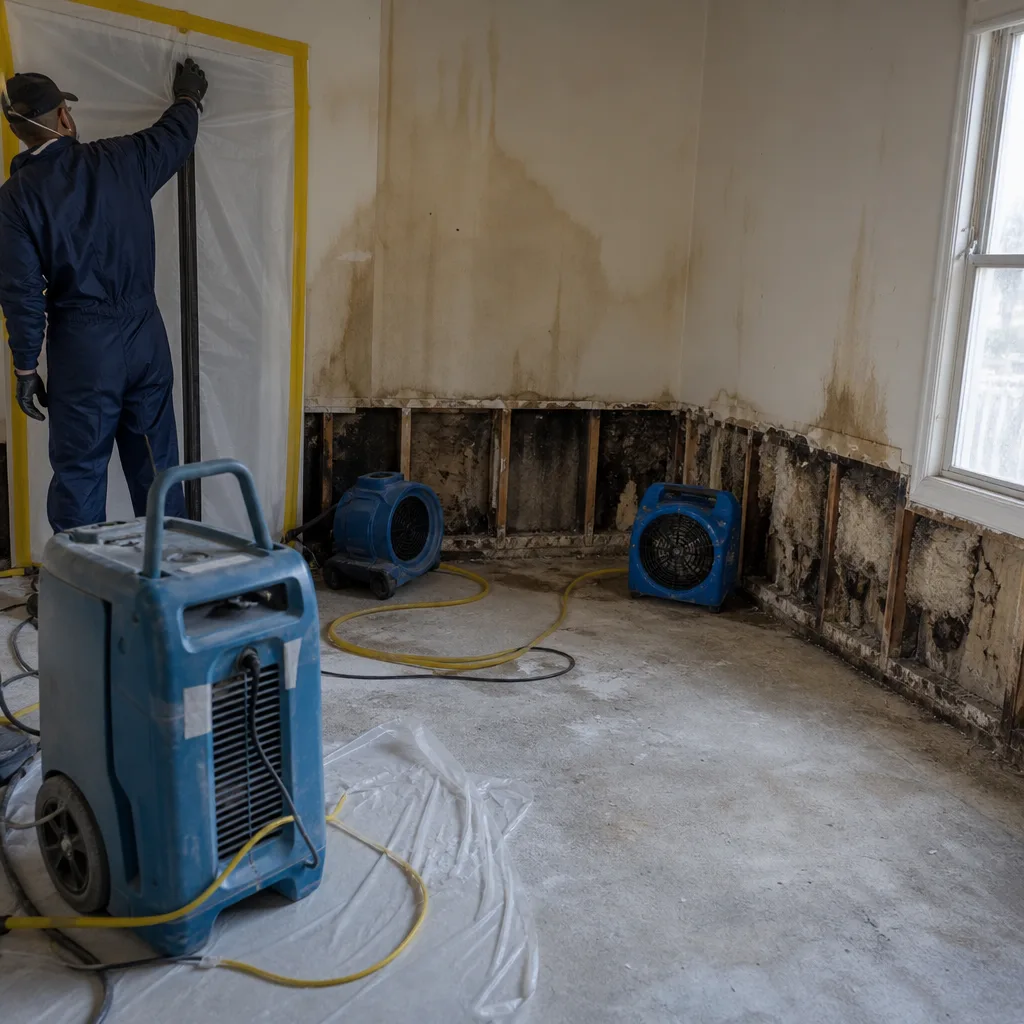 Before
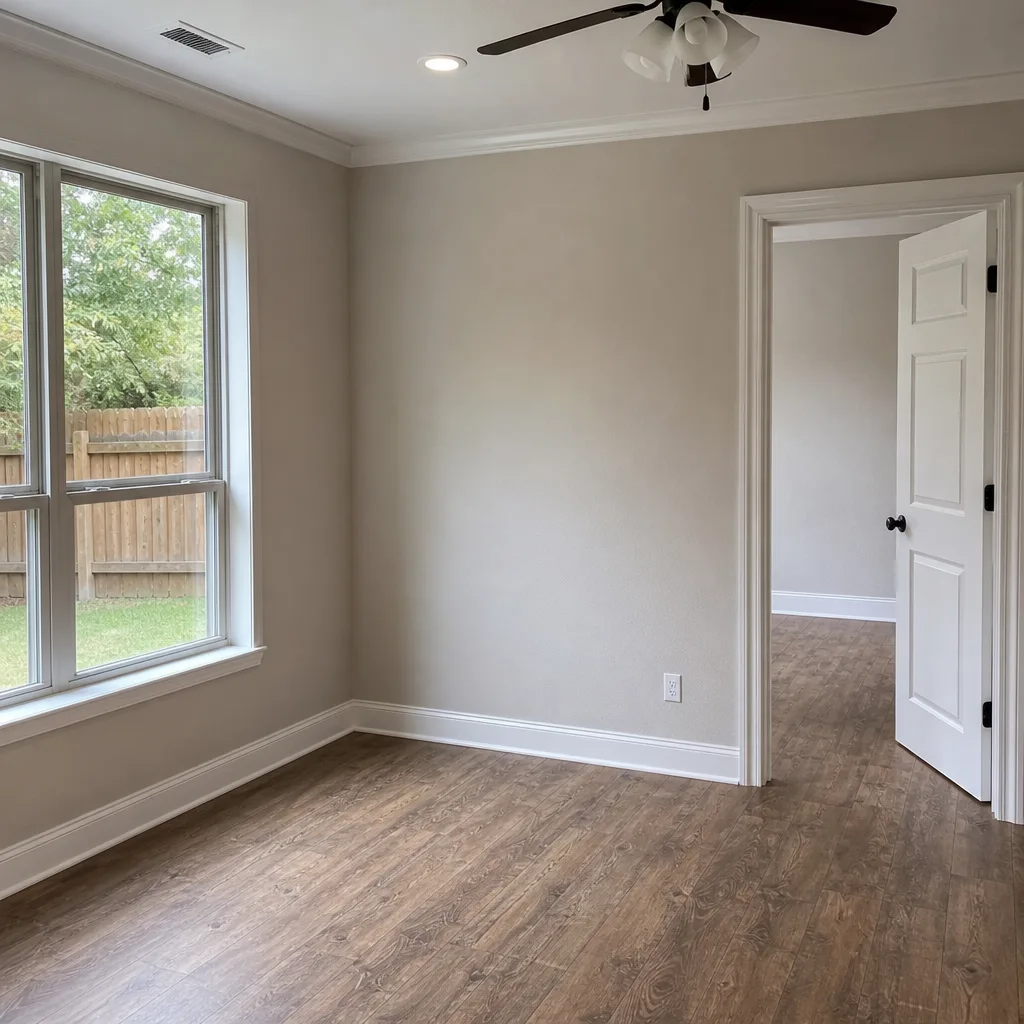 After
After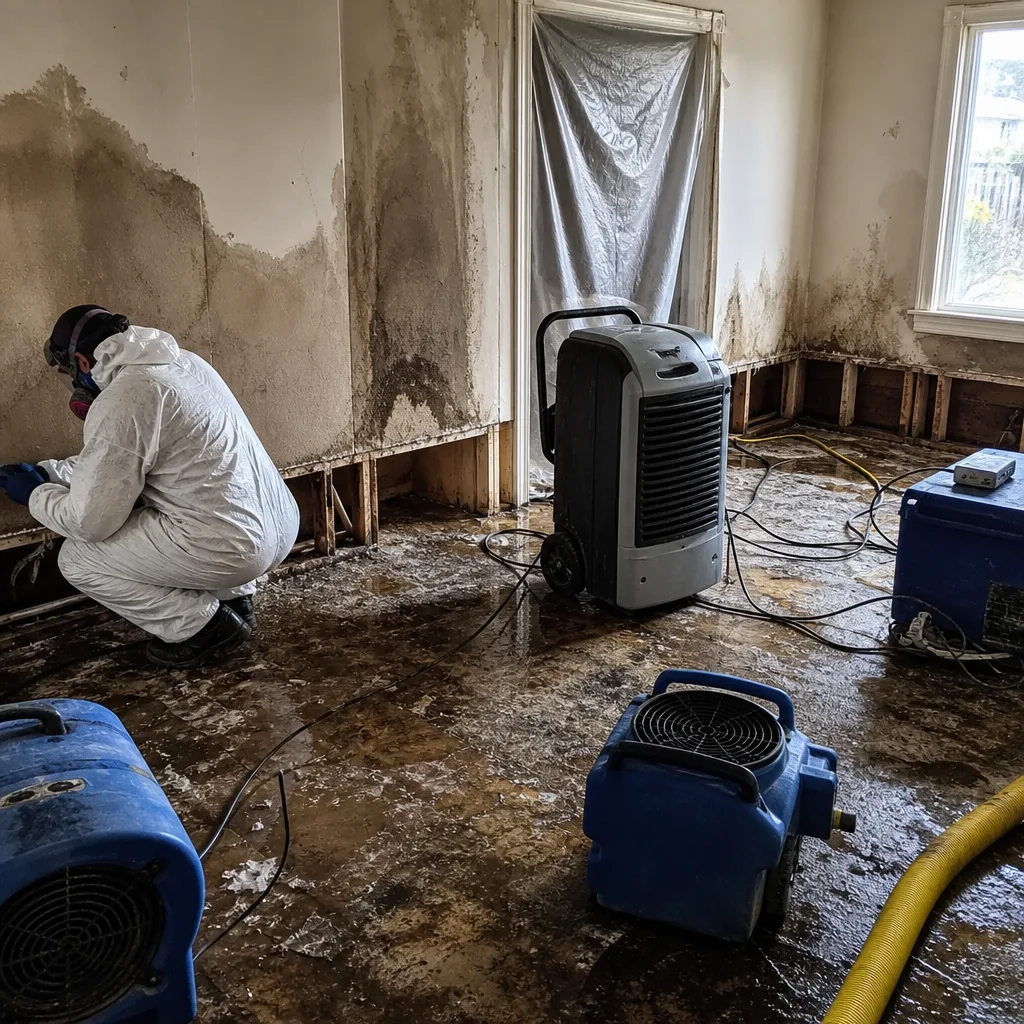 Before
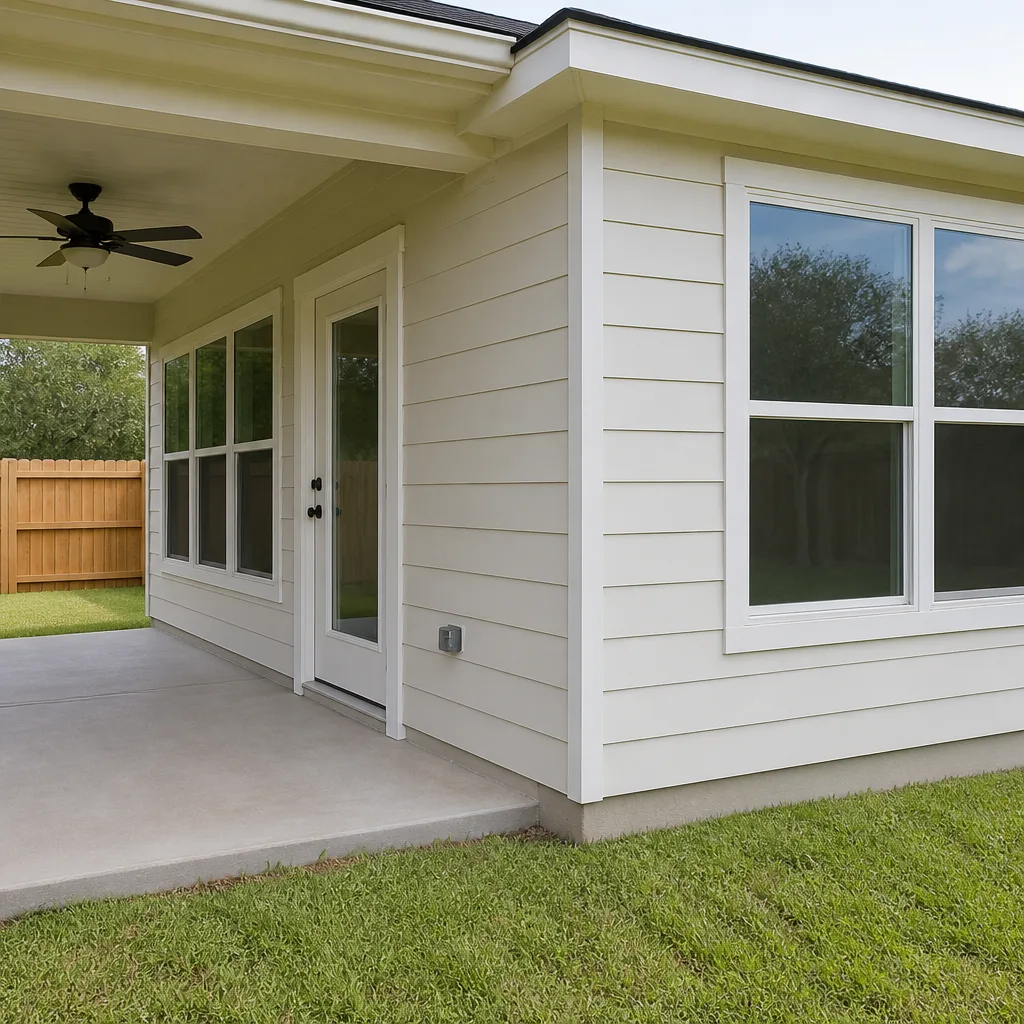 After
After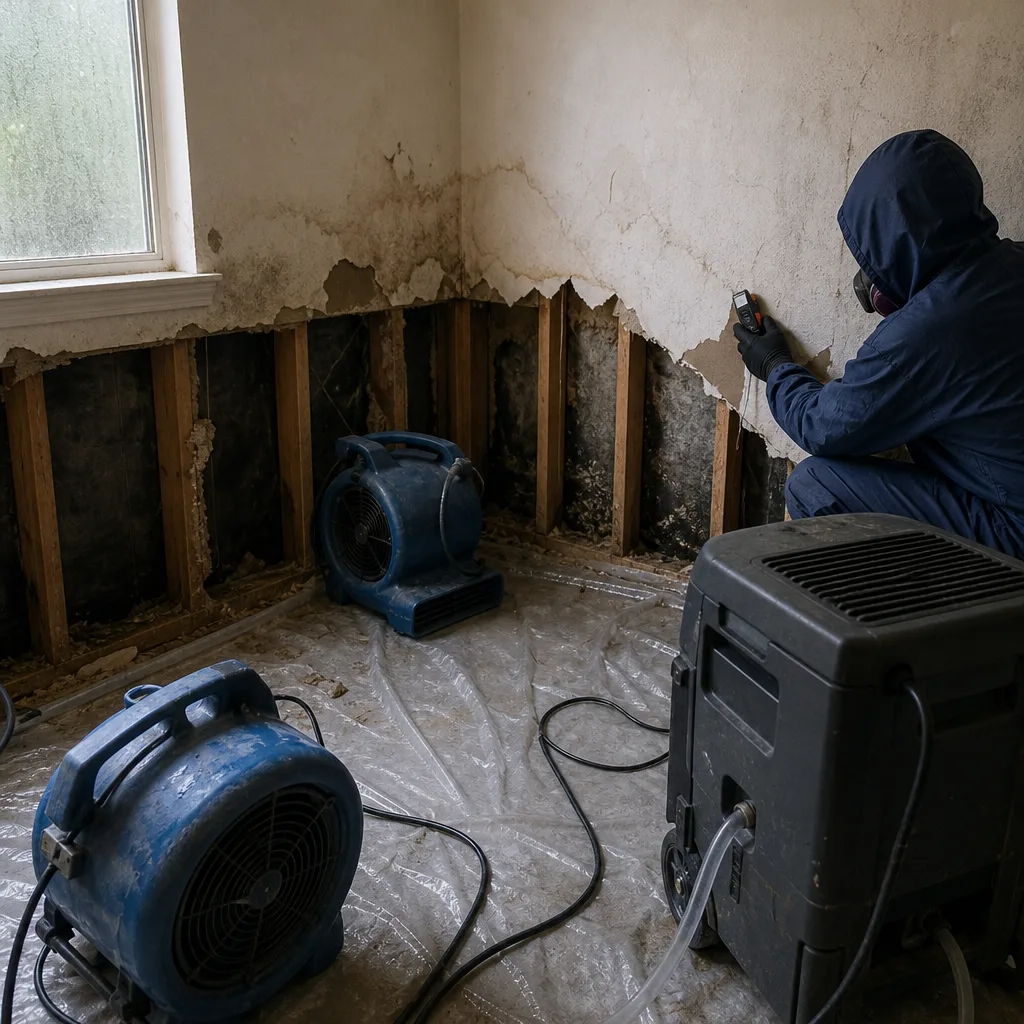 Before
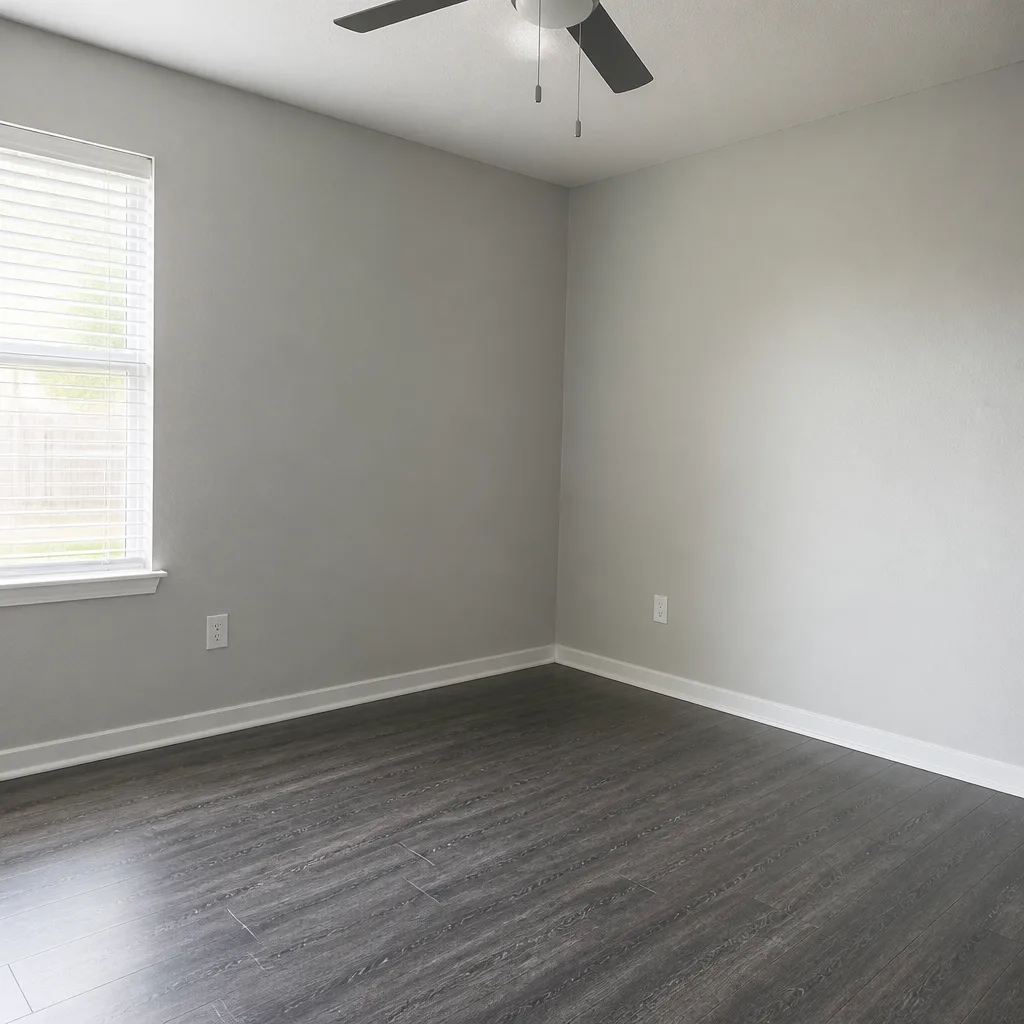 After
After