
Last updated October 16, 2026
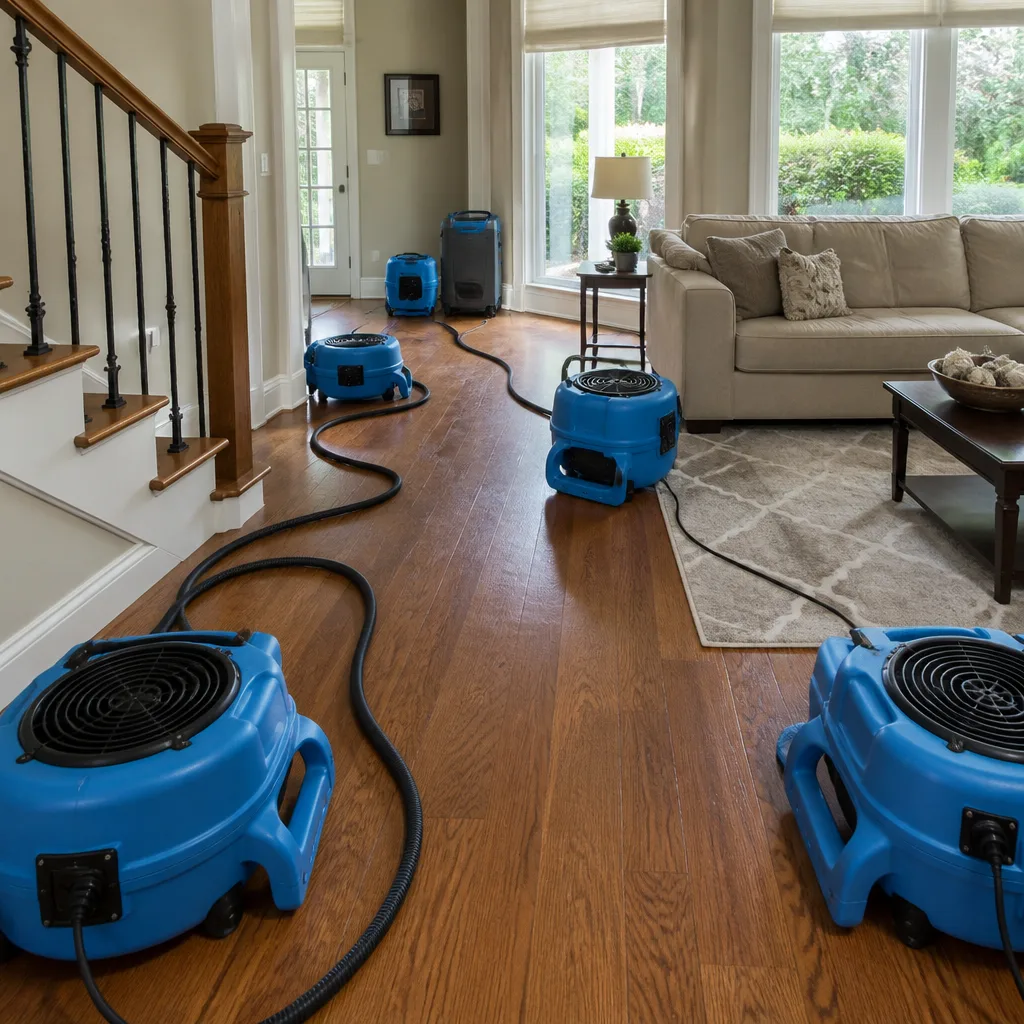 Water damage drying
 Fire & smoke cleanup
 Mold remediation
 Storm response
 Sewage cleanup
 Reconstruction
Free visual inspection and a written scope of work before any mitigation begins - photos, moisture readings, and drying logs go in your claim file
The scope we write is the scope we bill. Anything new gets shown to you, in writing, before we touch it.
Get your free estimateSeasonal Damage Restoration Care for San Antonio: Year-Round Homeowner’s Guide
The February 2021 winter storm caused more water damage in San Antonio in 72 hours than the prior three hurricane seasons combined – and the homes hit hardest were those whose owners had been told San Antonio “doesn’t really freeze.” That single event rewrote how local homeowners think about seasonal preparation. This guide walks through the actual weather patterns that threaten San Antonio homes, the specific failure points most people overlook, and a quarterly maintenance timeline that fits the city’s real climate, not a generic national template. For a deeper dive, see our Complete Guide to Damage Restoration in San Antonio.
Restoration work we handle
Quick Answer
San Antonio’s seasonal damage risk concentrates in two narrow windows: freeze events from late December through February and tropical moisture intrusion from August through September. The most effective homeowner strategy is completing exterior and plumbing preparation by mid-November, inspecting the attic and condensate lines monthly during the long cooling season, and treating the weeks after any heavy rain event as a required foundation and baseboard inspection period. A seasonal walkthrough that catches one leaking supply line or one clogged condensate drain before it fails prevents the majority of restoration-scale damage we see in San Antonio.
Table of Contents
- San Antonio’s Four-Quarter Damage Framework
- Pre-Freeze Prep (October – November)
- Freeze Response (December – February)
- Storm Season Readiness (March – May)
- The Edwards Aquifer Effect: Groundwater Pressure and Foundation Intrusion
- The Eight-Month Condensate Drain Problem
- Tropical Remnant Window (August – September)
- The Go/No-Go Decision Matrix
- Common Mistakes to Avoid
- When to Call a Professional
- Frequently Asked Questions
- The Bottom Line
San Antonio’s Four-Quarter Damage Framework
Most national seasonal maintenance guides divide the year into four equal quarters. San Antonio does not work that way. The city sits at the intersection of three distinct climate influences: cold continental air that occasionally pushes south from the Plains, a long subtropical cooling season that runs roughly March through October, and late-summer tropical remnants that ride in from the Gulf or the Pacific. These forces do not distribute damage evenly across twelve months. They compress risk into two bursts.
The first burst arrives with hard freezes. San Antonio’s plumbing was never designed for sustained cold. Many homes built before 1970 in neighborhoods like Jefferson, Beacon Hill, and Alta Vista have galvanized supply lines running through unconditioned attic space and exterior wall cavities. When temperatures drop below 28°F for six hours or more, those pipes begin to freeze from the outside in. The February 2021 storm pushed the city to 9°F at its worst point, and thousands of homes that had never seen a burst pipe flooded within a single night.
The second burst arrives in August and September, when tropical moisture from a Gulf disturbance or a decaying Pacific hurricane stalls over Bexar County. These systems do not need to be named storms to cause damage. A slow-moving tropical wave can drop four to six inches of rain in a few hours, overwhelming storm drains, saturating the clay-heavy soils around foundations, and exposing every roof flashing failure and window seal gap at once. The damage is slower to appear than a burst pipe, but it is often more extensive by the time a homeowner notices it.
Between these two windows sit months of deceptive calm. March through July feels safe, and that feeling causes the exact delay that turns a maintenance item into a restoration. The attic inspection you skipped in April becomes the ice dam backup you deal with in February. The condensate line you never cleaned becomes the ceiling stain you find in July. The point of this guide is to name the actual mechanics, so the calm months get used for what they are meant for: preparation. For a structured approach, see our Water Damage Restoration Maintenance Checklist for San Antonio Homeowners.
Pre-Freeze Prep (October – November)
The single most consequential thing a San Antonio homeowner can do all year is complete freeze preparation before Thanksgiving. Not in December. Not when the forecast warns of a hard freeze. Those warnings give you hours, and by then the plumbers, the pipe insulation, and the heat tape are all gone. The preparation window that matters is October and November, when the weather is temperate and the work can be done deliberately.
Here is the preparation sequence we recommend, in order of importance.
- Map every exposed pipe you can access. Attic supply lines, exterior hose bibs, pipes in garage walls, pipes under pier-and-beam floors. These are the freeze points. If you cannot see a pipe, you cannot insulate it, and you will not know where to look when the temperature drops.
- Insulate attic pipes with closed-cell foam sleeves. Wrap all exposed supply lines. Pay particular attention to elbows and joints, where freezes start first. Foam sleeves run two to three dollars per section at any San Antonio hardware store, and the entire attic usually takes under two hours.
- Install or refresh exterior hose bib covers. Every hose bib on the house needs a rigid foam cover fitted snugly against the wall. Disconnect and drain all garden hoses first. A frozen hose attached to a bib can split the pipe inside the wall, which floods the living space rather than the yard.
- Flush and inspect the water heater. Sediment builds up faster in San Antonio’s hard water than in most of the country. A tank with an inch of sediment at the bottom works harder, cycles more often, and is more vulnerable during a cold snap. Drain a few gallons, check the anode rod, and replace the pressure relief valve if it drips.
- Locate and test your main water shutoff valve. Every adult in the house should know where this valve is and how to turn it. During the 2021 freeze, the difference between a contained leak and a full home loss often came down to whether someone could find and turn the shutoff in the dark, in the cold, while water was actively spraying. Mark it with a bright tag. Test it once. It takes ten minutes.
San Antonio’s risk is not that a freeze will happen every year. It is that when a freeze does happen, it hits thousands of homes at once, and the homes that survive with minimal damage are the ones that did the October walkthrough. We have walked into water damage restoration jobs where a single uninsulated attic elbow above the hallway was the only failure point in the whole house. That elbow is a twenty-minute fix in November and a five-figure repair in February.
Freeze Response (December – February)
When a hard freeze warning is issued for Bexar County, the preparation phase is over. The response phase runs from the first night below freezing until temperatures return to normal and every thawed pipe has been checked. What you do during those hours determines whether you have a restoration or a repair bill.
First, the drip. A slow drip from indoor faucets does help prevent freezing, but only when the drip is on the faucet connected to the pipe run most exposed to cold. In San Antonio homes, that is typically the kitchen sink on an exterior wall or a bathroom at the far end of the pier-and-beam crawl space. Trickle both hot and cold lines. A pencil-thin stream is enough. Do not run every faucet in the house; San Antonio’s water pressure drops when tens of thousands of homeowners panic-drip simultaneously, and the system can lose pressure entirely.
Second, open cabinet doors under sinks on exterior walls. This allows warm indoor air to circulate around the pipes. It is a small thing that prevents a specific and common freeze pattern: the supply line inside the vanity on a north-facing wall freezes while the rest of the house stays warm.
Third, know the thaw is more dangerous than the freeze. When a frozen pipe thaws, the ice plug releases, water flows, and if the pipe has split, water enters the house under pressure. If you lose water service to a fixture during a freeze, turn off the main shutoff before the thaw begins. Then turn it back on slowly, with one person at the shutoff and one walking the house listening for hissing or dripping. If you hear either, shut it off and call a professional. This is precisely the damage window where mold remediation work begins: a small leak discovered two days after the thaw, after water has wicked into drywall and baseboards in a wall that never fully dried.
Fourth, pay attention to roof ice. San Antonio homes are not built for snow load or ice damming. A rare freeze with precipitation can put ice at the roof edge, and melt water then backs up under the shingles and into the attic. The first sign is usually a water stain on the ceiling near an exterior wall. The second sign is dripping from a ceiling fixture. Neither resolves on its own, and both mean water is already in the wall cavity.
Storm Season Readiness (March – May)
March through May in San Antonio brings the city’s heaviest sustained rainfall of the year. May is the wettest month on average, with storms that build quickly in the late afternoon and drop an inch or more in an hour. The soil, already heavy with clay, saturates fast. This is the season when foundation and drainage problems announce themselves, and it is the season when the condition of your roof, gutters, and grading matters most.
The checklist for March:
- Clean every gutter and downspout. A downspout clogged with oak leaves from the fall directs thousands of gallons of roof runoff straight onto the foundation line. In San Antonio’s clay soils, that concentrated water creates uneven settling pressure that shows up as stair-step cracks in brick and doors that begin to stick.
- Extend every downspout at least four feet from the foundation. The cheap black plastic extenders from any hardware store are fine. What matters is distance. Four feet takes the water past the saturated zone where most hydrostatic pressure against the slab develops.
- Check grading around the entire foundation perimeter. Soil should slope away from the house at roughly a half-inch per foot for the first six feet. Settling after construction, flower beds built up against the slab, and burrowing animals all defeat that slope over time. Regrade with fill soil where needed.
- Walk the roof from a ladder or with binoculars. Look for lifted shingles, missing granules, cracked vent boots, and deteriorated flashing at chimneys and roof penetrations. One missing shingle tab on a south-facing slope can let in gallons during a May storm.
- Inspect window and door seals. Wind-driven rain in San Antonio storms is powerful. Seal failure at the bottom corners of windows is one of the most common pathways for water to enter a wall cavity, and the damage is invisible from inside until the drywall is soft to the touch.
San Antonio’s soil is its own character in this story. The city sits on expansive clay that swells when wet and contracts when dry. A saturated spring followed by a hot dry July puts real movement stress on foundations. That movement opens hairline cracks that become water pathways during the next rain. It is a cycle, and the only way to break it is to keep water away from the foundation consistently, not just during the rainy weeks.
The Edwards Aquifer Effect: Groundwater Pressure and Foundation Intrusion
San Antonio sits directly above the Edwards Aquifer recharge zone, and that geological fact has a practical consequence for homeowners that most national guides never mention. When the aquifer is recharging during heavy rain events, groundwater levels rise quickly in the fractures and solution channels beneath the surface. For homes built on slab foundations, that rising groundwater increases hydrostatic pressure against the foundation from below.
This pressure does not announce itself with a dramatic crack. It shows up as moisture at the baseboard level, a faint musty smell in a room that has never had a leak, or floor tiles that begin to feel cool or damp in one specific area. In homes with carpet, the padding may feel slightly spongy in a corner. In homes with wood or laminate, the boards may cup or lift. These are all signs that water is being pushed against the slab from the ground side, not leaking down from above.
The homes most affected are in neighborhoods with older slabs, thinner vapor barriers, and drainage already compromised by decades of settling. Think about the terrain: San Antonio’s topography runs from the Hill Country slope in the north to the flatter coastal plain in the south. Homes on the lower ground of the south side and in older central neighborhoods tend to see groundwater intrusion first, because the water table is simply closer to the surface during recharge events.
What a homeowner can do is limited, but it is not nothing. Keep the drainage work from the previous section current, because water moving away from the foundation reduces the concentration of pressure at the slab edge. Watch the baseboards after every sustained rain event, especially in May and June. If you find moisture, use a moisture meter to map how far up the drywall the wetting has traveled. Anything more than a few inches, or any wetting that persists more than 48 hours after the rain stops, is a call for professional assessment. The drying challenge in slab intrusion is not the visible wetting; it is the moisture trapped in the wall cavity and under the flooring, where it creates the conditions that make mold remediation in San Antonio necessary months later.
The Eight-Month Condensate Drain Problem
San Antonio runs air conditioning eight months out of the year, and that long cooling season creates a failure pattern that most of the country never sees: condensate line clogs that turn into ceiling floods. Every air handler produces condensation as it cools the air. That water drains through a PVC line that runs from the unit to either the outside of the house or into a plumbing drain. Over months of continuous use, the warm, dark, moist environment inside that pipe grows algae and mold, which combine with dust to form a sludge that blocks the line.
When the line clogs, the pan under the air handler fills. Most pans have a float switch that should shut the unit off, but the switch fails, or the pan itself rusts through, or the unit is old enough that the switch was never installed. The result is water overflowing the pan, soaking the ceiling drywall below the air handler, and running down through the wall cavity into whatever room sits beneath it.
The air handler location matters. In many San Antonio homes, the air handler sits in the attic, which means a condensate overflow becomes a ceiling flood in the room below, often a hallway or a master bedroom. In pier-and-beam homes, the handler may sit in a closet on an interior wall, and the overflow runs under the floor. Either way, the wetting goes where you cannot see it until the damage is already done.
Monthly inspection takes two minutes. Find the air handler, look at the pan beneath it, and check that the drain line is clear. Pour a cup of white vinegar down the line monthly to slow the biological growth. If the pan shows standing water, the line is clogging and needs to be blown or flushed. If you see water staining on the ceiling beneath the unit, the overflow has already started and you need professional drying, not just a line clean-out. The same applies to any water stain that appears on a ceiling in July without any rain to explain it. That is not a mystery. That is a condensate line.
Tropical Remnant Window (August – September)
San Antonio sits far enough inland that a direct hurricane landfall is unusual, but the city is squarely in the path of tropical remnants. When a Gulf storm makes landfall near Corpus Christi or a Pacific storm decays over northern Mexico, the moisture plume can park itself over Bexar County for days. These systems deliver the heaviest single-day rainfall totals of the year, often in August and September, and they arrive after months of drought that have baked the ground into compaction.
The challenge with tropical remnant rain is not the storm itself. It is the antecedent conditions. By late August, San Antonio clay soils have typically gone through a full summer of contraction. Cracks form in the ground, some wide enough to put a hand in. When the remnants arrive and drop four inches in one afternoon, that water moves down through those cracks toward the foundation at a rate that a normal rain never produces. The same foundation that was stable and dry in July becomes hydraulically loaded in a single afternoon.
The preparation for this window happens in March, April, and May. The drainage work, the gutter cleaning, the downspout extensions, and the grading are what protect the slab during a tropical remnant. If that work was not done, the August storm finds every crack, every low spot, every clogged downspout, and it turns those into water delivery paths aimed at the foundation.
If a tropical remnant is forecast, do these things:
- Walk the exterior and clear any debris near the foundation. Leaves, mulch, and dead grass piled against the slab hold water and direct it downward. Clear a three-foot band around the house.
- Remove anything that blocks drainage swales or street gutters. The city’s storm drainage is designed for steady rain, not tropical rainfall rates. Help the water leave your property.
- Photograph the condition of your home’s exterior before the rain arrives. If damage happens, dated photos of the roof, the grading, and the visible foundation become evidence for insurance and for any restoration discussion.
- During the storm, watch the interior baseboards in rooms that share a wall with the exterior. Tropical rain often enters at the corner where wind-driven water finds a failed seal. Early detection turns a drying job into a minor repair rather than a fire damage restoration-scale rebuild, even though the moisture mechanics are different.
The Go/No-Go Decision Matrix
Not every water issue requires a restoration crew. Some things a homeowner can address with a towel and a fan. Others need a professional within 24 hours to prevent secondary damage. The distinction matters, because both waiting too long and calling too early cost money. Here is the matrix, built from the patterns we see repeatedly across San Antonio homes.
| Condition | Monitor | Mitigate Yourself | Call a Professional |
|---|---|---|---|
| Condensate pan has a thin layer of water | No | Yes – vinegar flush, clear line | Only if pan is overflowing or ceiling shows stains |
| Baseboard feels cool or slightly damp after rain | Yes – mark the area, check daily | Yes – run a dehumidifier, pull back furniture | If wetting persists more than 48 hours or spreads upward |
| Visible water dripping from a ceiling | No | Contain with buckets, shut off water if from a pipe | Yes – same day, before the water reaches wall cavities |
| Pipe burst during a freeze | No | Shut off main water, move valuables | Yes – immediately, while damage is still contained |
| Musty smell in one room, no visible water | Yes – check humidity with a meter | Yes – dehumidifier, check crawl space or attic above | If smell persists after 2-3 days of drying effort or if you find visible mold growth |
| Water staining on ceiling after storm | No | No | Yes – roof leak or flashing failure, water is traveling inside the ceiling |
| Floor tiles cool or damp in one area, no rain | Yes – mark the perimeter | No | Yes – likely slab-side water, needs professional diagnostic |
The pattern here is simple. Surface moisture with a clear source and no hidden path is a homeowner problem. Hidden moisture, pressurized water, or water that has entered a wall or ceiling cavity is a professional problem. The 24-hour frame is not a soft suggestion. San Antonio’s heat accelerates mold growth in wet building materials faster than most climates, and a ceiling that was damp on a Saturday becomes a mold concern by Wednesday.
Common Mistakes to Avoid
- Waiting for a freeze warning to insulate pipes. The warning window is 24 to 48 hours. Insulation supplies sell out, plumbers are booked, and you end up trying to wrap pipes with towels in a dark attic while the temperature drops. October is the time for this work.
- Running every faucet in the house during a freeze. This drops neighborhood water pressure, which can prevent the drip from working anywhere. Drip only the faucets on exterior walls or in unheated spaces.
- Assuming the thaw is the end of the danger. The thaw is when burst pipes reveal themselves. Turn water back on slowly, with someone walking the house, and treat any hissing or dripping as an emergency shut-off situation.
- Ignoring a clogged gutter because “it only matters during heavy rain.” San Antonio’s heavy rain comes in concentrated bursts, and a gutter that is fine during a light sprinkle becomes a foundation-loading device during a May storm. Clean them in March and again in October.
- Calling a restoration company for a condensate line clog and calling a plumber for a water damage restoration. The professions are different. A clogged line with no water damage is an HVAC call. A ceiling that is actively wet or stained from a condensate overflow is a restoration call, and it should happen before the HVAC repair if the wetting has spread.
- Waiting to see if a damp baseboard “dries on its own.” In San Antonio’s climate, a damp baseboard in a wall cavity does not dry on its own. It stays damp, the drywall behind it wicks the moisture upward, and mold begins in the cavity. If it has not dried in 48 hours, call.
- Treating the Edwards Aquifer as an abstract regional fact with no bearing on a specific home. It has a direct bearing if your slab sits on saturated soil during a recharge event. Homes in lower-lying areas with poor drainage experience the pressure differently than homes on high ground, and the baseboard-level wetting pattern is the tell.
When to Call a Professional
Some situations are clear from the first glance: a burst pipe spraying water, a ceiling actively dripping, a wall that is soft to the touch over an area larger than your hand. In those cases, the decision is already made, and speed matters more than deliberation. Other situations are less dramatic but no less urgent: a persistent musty smell with no visible source, a slab that stays cool and damp in one area for days after rain, or baseboard wetting that creeps upward rather than receding. These are the calls where a trained eye finds something a homeowner misses, and a moisture meter reveals what the drywall is hiding.
When you call, what you should get is a clear answer and a written price before any work begins, every time. All of our drying jobs start with a written scope and price, and all of our technicians are background-checked, uniformed, and credentialed through IICRC, RIA, and IFA. Shoe covers go on at the door. Drop cloths cover the floor before the first piece of equipment comes in. You see a photo of the clean-up before the crew leaves. Tidemark Water Damage San Antonio offers free estimates in San Antonio – call (325) 230-0537 and a live person answers, 24/7.
Frequently Asked Questions
Older neighborhoods with pier-and-beam construction and uninsulated attic supply lines are most at risk, particularly homes built before 1970 in areas like Jefferson, Beacon Hill, Alta Vista, and parts of the near North Side. These homes have pipe runs through exterior wall cavities and unconditioned attics that freeze first when temperatures drop below 28°F for several hours.
Clean it monthly during the cooling season, which in San Antonio runs roughly March through October. A cup of white vinegar poured down the line each month slows algae growth, and a quick check of the drain pan under the air handler tells you whether the line is already clogged.
San Antonio sits on expansive clay soil that swells when saturated and contracts during drought. This movement creates cracks around and under the foundation that channel rainwater straight down against the slab during heavy rain events, especially in May and during tropical remnants in August and September.
Drip the faucets connected to pipes that run through unheated or exterior spaces: kitchen sinks on exterior walls, bathroom faucets on the far end of a pier-and-beam crawl space, and any fixture on a north-facing wall. Run both hot and cold lines at a pencil-thin stream. Do not drip every faucet you have; it lowers neighborhood water pressure.
Most standard Texas homeowner’s policies cover sudden and accidental water damage, including burst pipes and wind-driven rain entering through a storm-damaged roof, but slow leaks, maintenance failures, and flood water from rising groundwater are typically excluded. Photograph everything, document the timeline, and have a professional assessment that speaks to the cause in writing before your adjuster visit.
Mold can begin growing on wet drywall and organic materials within 24 to 48 hours in San Antonio’s heat and humidity, which is faster than in drier or cooler climates. It accelerates when the water is inside a wall or ceiling cavity where there is no airflow. This is why professional drying matters, not just surface clean-up. Call (325) 230-0537 for an exact quote – estimates are free.
The Bottom Line
San Antonio does not evenly distribute seasonal risk. It concentrates it in two narrow windows, which means preparation is also concentrated. Do the pipe insulation, the gutter cleaning, the condensate line flush, and the drainage work in October, November, and March. Do the attic and roof checks in the months when standing on a ladder is pleasant. Pay attention to the baseboards and the slab after every heavy rain. When something crosses from monitoring to mitigating to needing professional drying, call early. Explore more guides & resources to stay prepared year-round. The 365-Day Done Right Promise applies to every job we do, and the written price comes before any work starts, every time.
Written by Rick Sumner, Owner at Tidemark Water Damage San Antonio, serving San Antonio since 2006.
See the difference
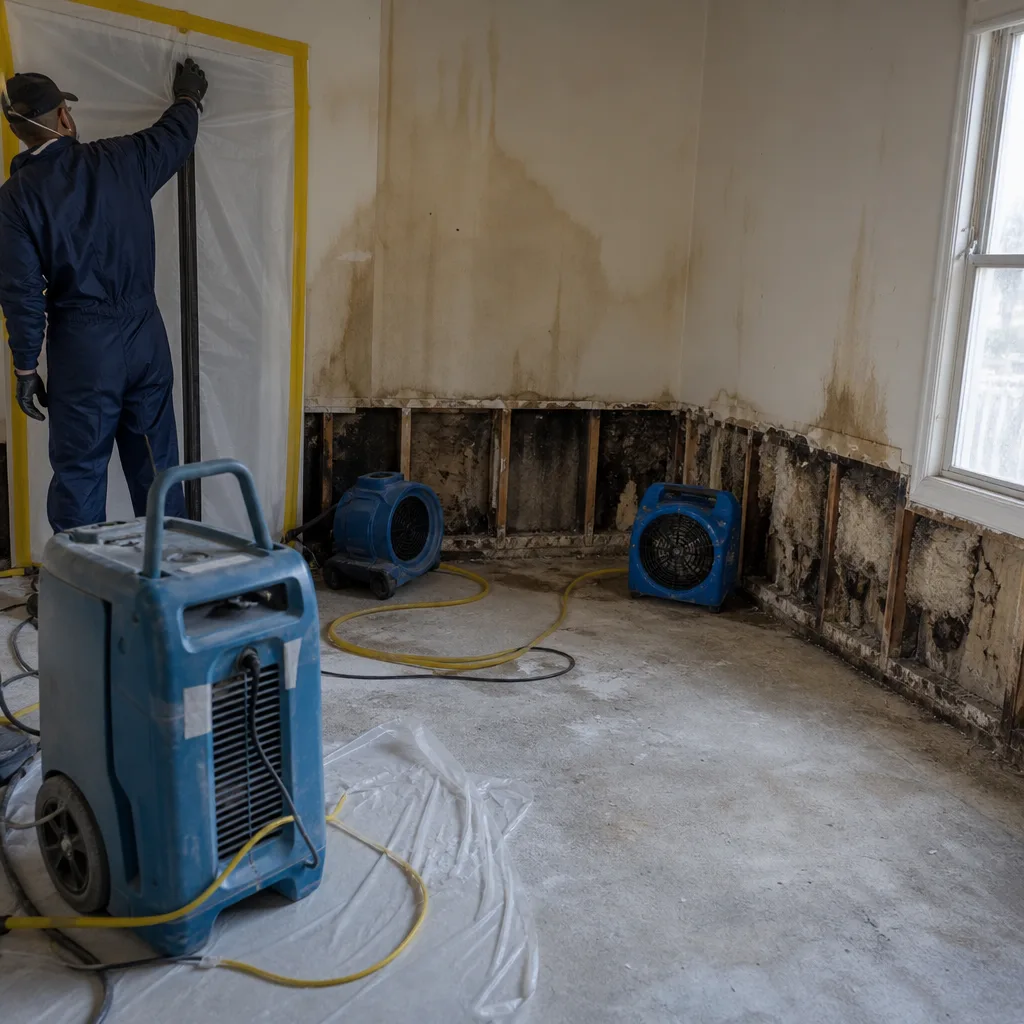 Before
 After
After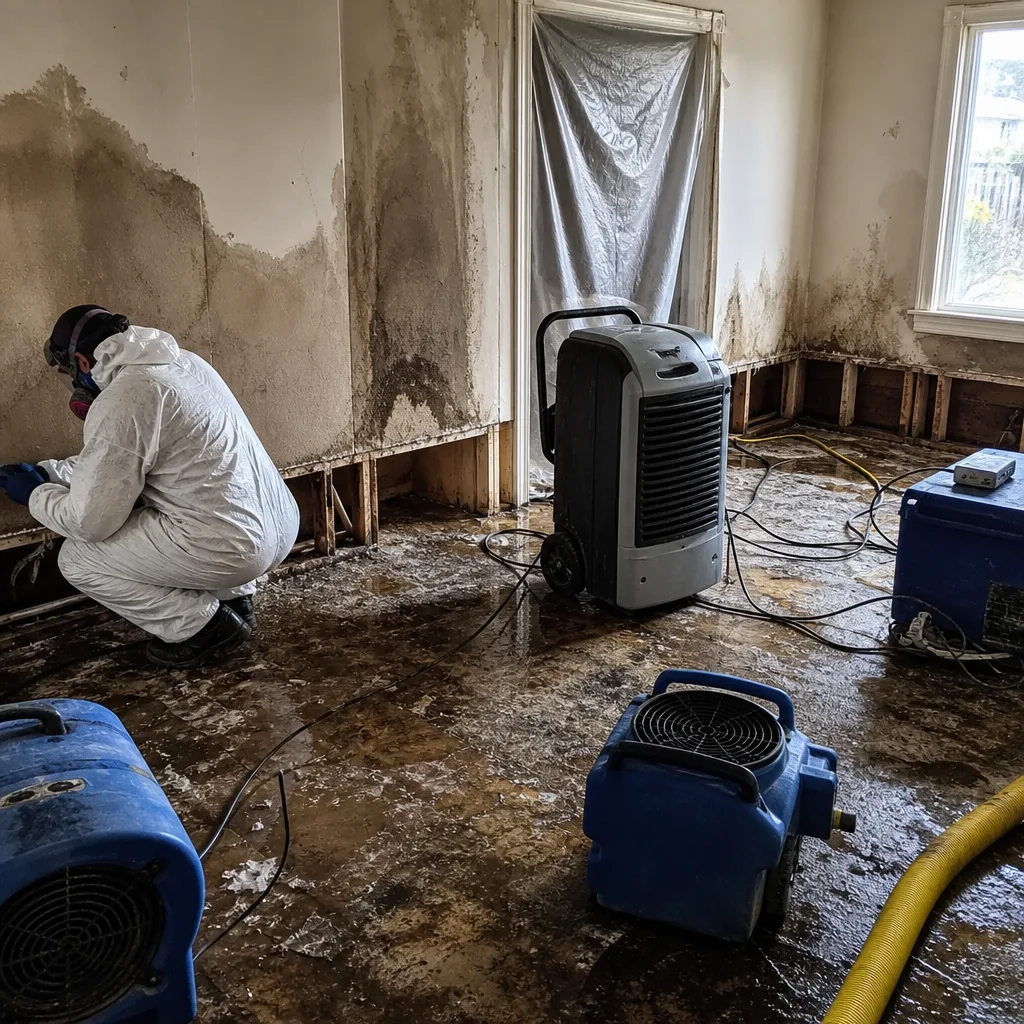 Before
 After
After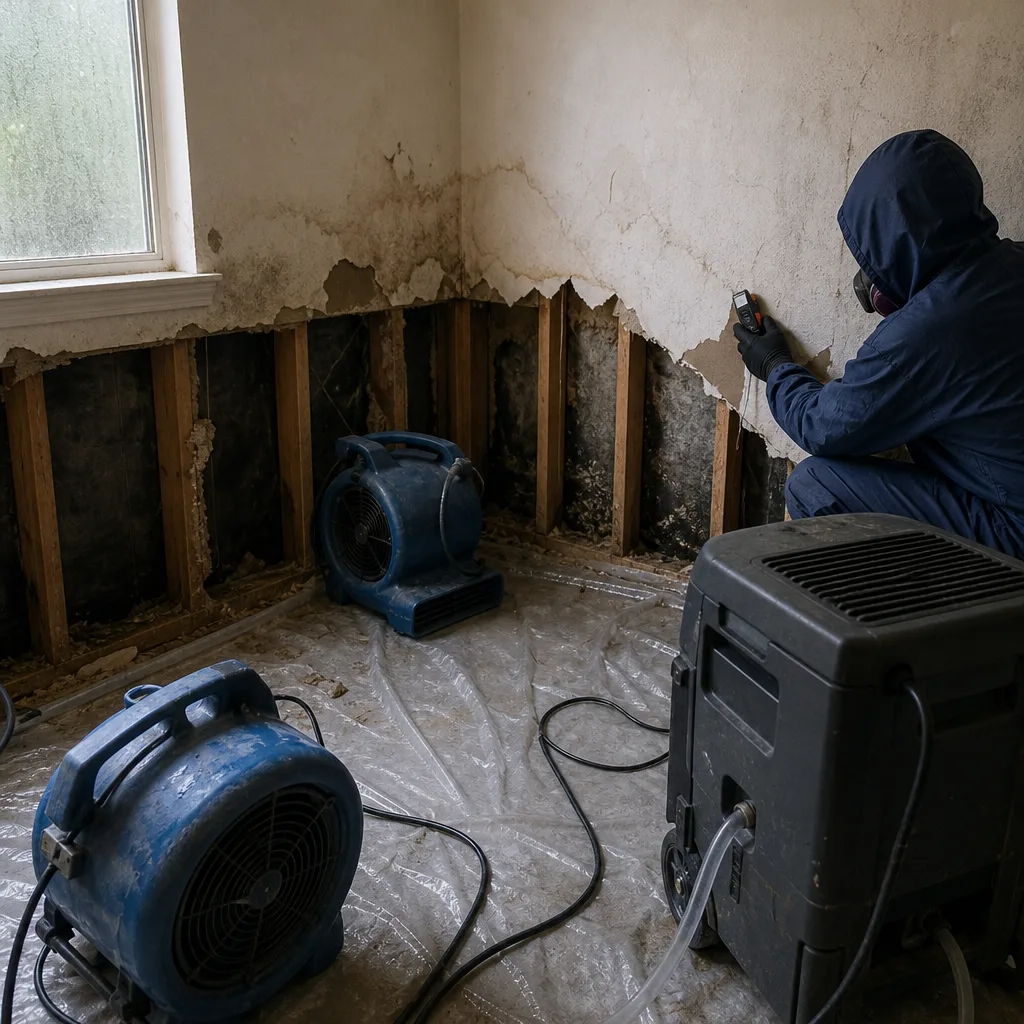 Before
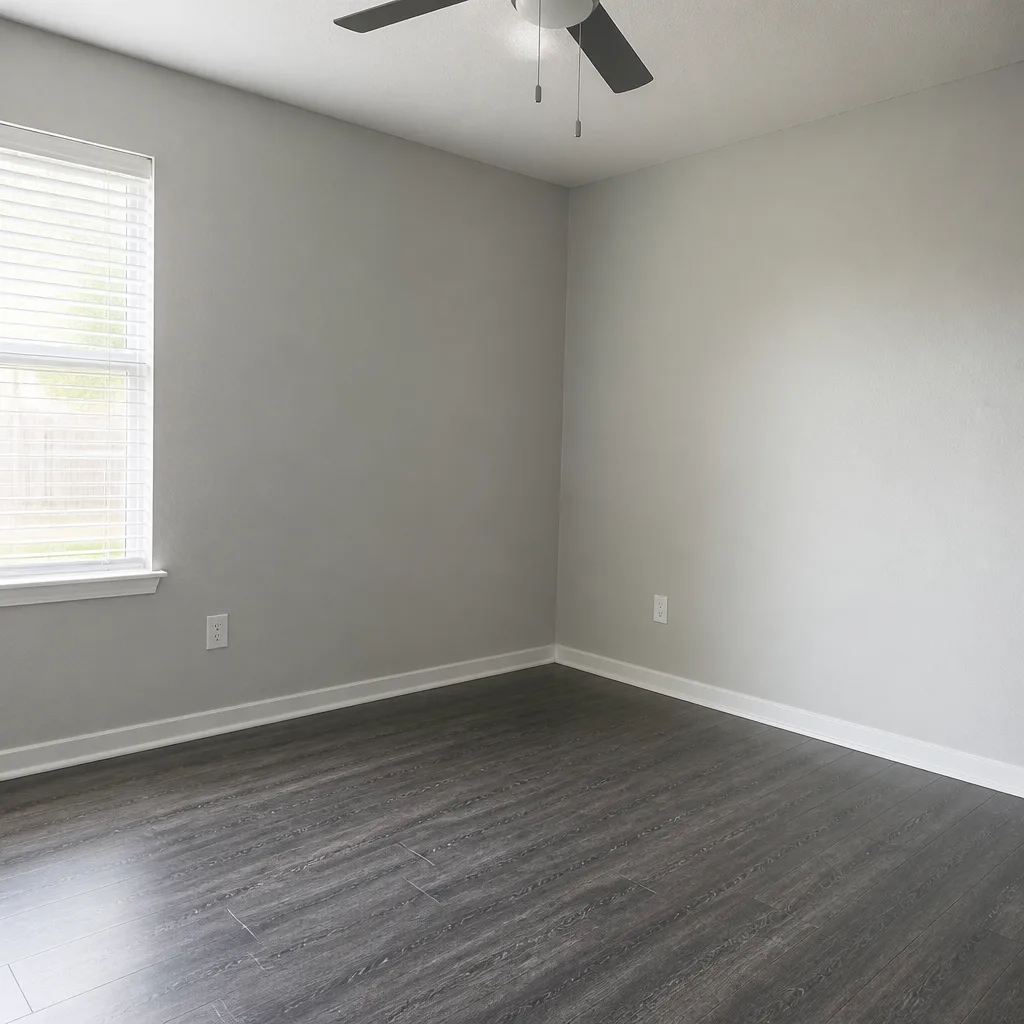 After
After