
Last updated October 16, 2026
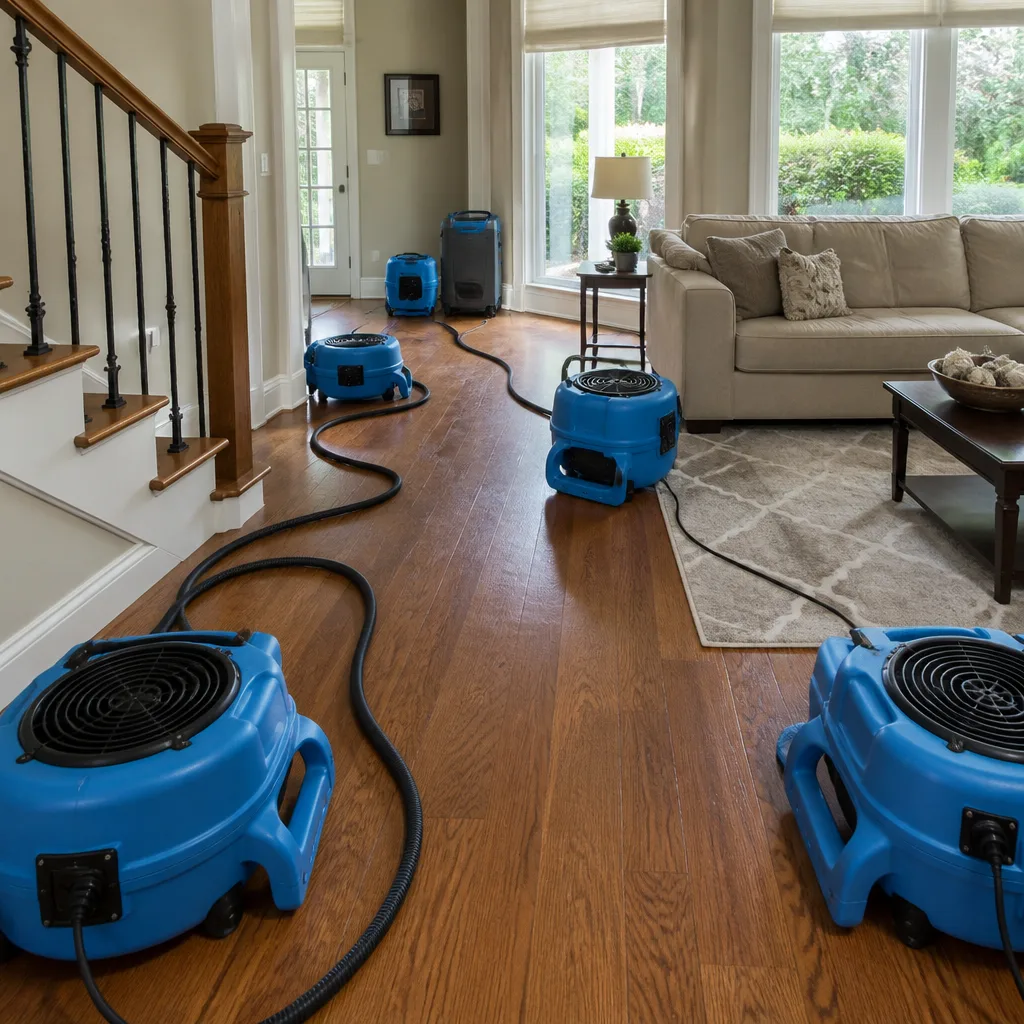 Water damage drying
 Fire & smoke cleanup
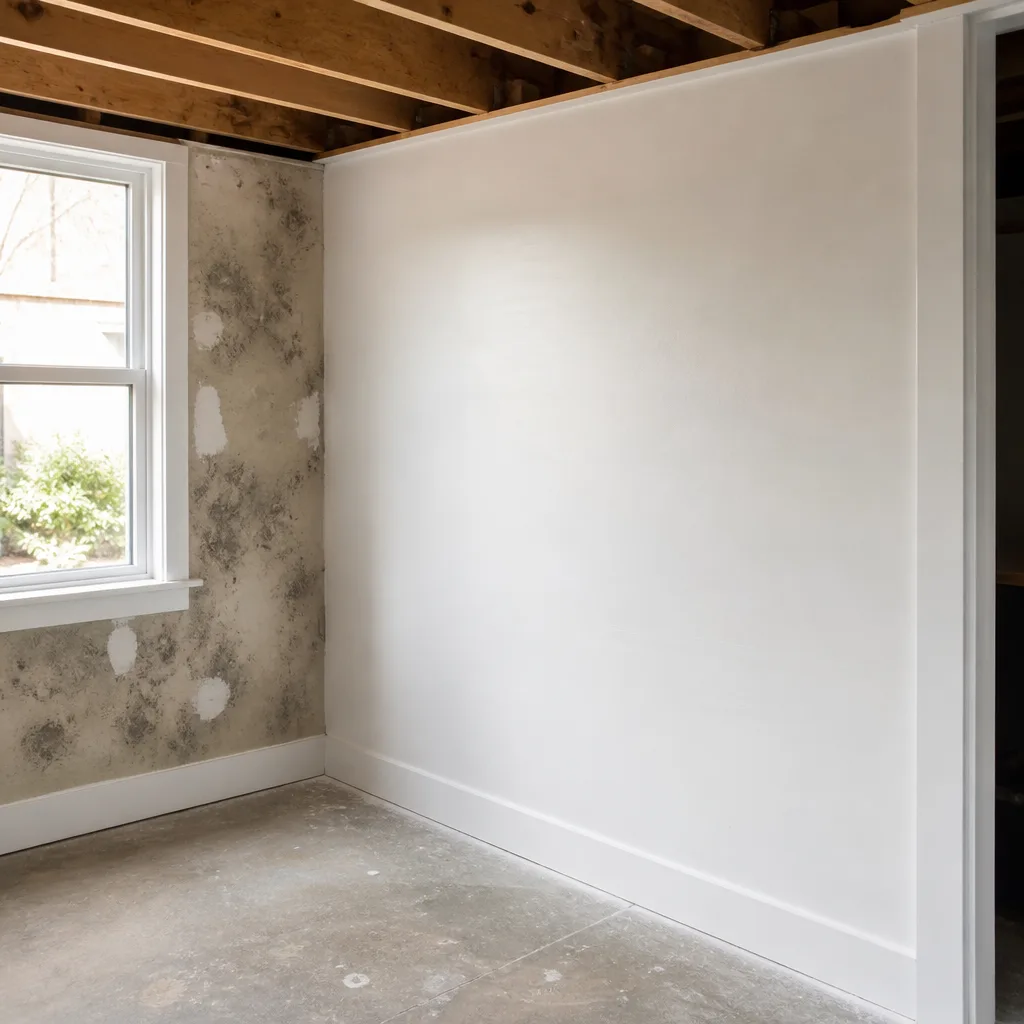 Mold remediation
 Storm response
 Sewage cleanup
 Reconstruction
Free visual inspection and a written scope of work before any mitigation begins - photos, moisture readings, and drying logs go in your claim file
The scope we write is the scope we bill. Anything new gets shown to you, in writing, before we touch it.
Get your free estimateWater Damage Restoration Maintenance Checklist for San Antonio Homeowners
The average San Antonio homeowner discovers a slow leak 21 days after it starts. That’s three full weeks of moisture moving through drywall, wicking up baseboards, and feeding the kind of hidden growth that turns a $400 plumbing fix into a $9,000 remediation job. What makes that number sting is how preventable most of it is with timely Water Damage Restoration. San Antonio’s weather doesn’t surprise us: we get the February freezes, the May storm fronts, the August Gulf remnants. What surprises us is how few people have a maintenance routine calibrated to those exact moments. This guide walks through what to check, when to check it in San Antonio, and how to know the difference between a stain worth photographing and a stain worth calling about today.
Quick Answer
The San Antonio water damage maintenance checklist is a month-by-month routine tied to the city’s actual weather patterns: inspect supply lines and exterior drainage in January before freeze season, check AC condensate systems in April before summer humidity, clear storm drains in May and June, verify attic ventilation in August before hurricane remnants arrive, and reseal exterior penetrations in October. The five interior checkpoints most homeowners skip are appliance supply lines, toilet wax seals, HVAC drain pans, attic decking around roof penetrations, and crawlspace vapor barriers. If a stain grows, an odor develops, or a moisture meter reads above 20% on wood, stop monitoring and call a professional-our Damage Restoration Cost Breakdown: The San Antonio Homeowner’s Reference for 2026 explains what to expect.
Restoration work we handle
Table of Contents
- The San Antonio Water Damage Calendar: What to Check Each Month
- The Five Interior Checkpoints Most Homeowners Skip
- Moisture Thresholds: When “Watch It” Becomes “Call Someone Today”
- Documenting Your Home’s Baseline Moisture Readings
- Pet-Safe and Child-Safe Interim Measures While You Wait
- Common Mistakes to Avoid
- When to Call a Professional
- Frequently Asked Questions
The San Antonio Water Damage Calendar: What to Check Each Month
Here’s what we’ve learned after nearly two decades of responding to water damage across San Antonio, detailed further in The Complete Guide to Damage Restoration in San Antonio: the biggest losses happen the week after a weather event, not during it. A freeze thaws, a storm passes, and then the real trouble starts showing up. So the calendar below isn’t built around the day of the storm. It’s built around the vulnerability windows before and after.
January – February: Freeze Watch and Supply Line Inspection
San Antonio freezes aren’t frequent, but they’re unpredictable and they hit hard when they arrive. The February 2021 freeze event in Texas taught every homeowner in this city what freeze-thaw cycling does to pipes, hose bibs, and irrigation systems. The check to run now:
- Inspect every supply line behind washing machines, dishwashers, and refrigerators with ice makers. These rubber and braided lines fail at their fittings, not in the middle. Look for bulging, cracking, or mineral deposits at the connection points.
- Check outdoor hose bibs for slow drips after the first freeze night. A drip that continues for more than 24 hours after thaw means the internal seal cracked and water is backing up into the wall cavity.
- Walk the exterior perimeter after each freeze. Look for wet spots in the soil near the foundation, which indicate a cracked underground irrigation line.
We see the same pattern every January in neighborhoods like Alamo Heights and Terrell Hills: an outdoor faucet freezes, thaws, and leaks inside a brick veneer wall for weeks before the homeowner notices the baseboard staining. That’s exactly the 21-day window we mentioned earlier.
March – April: Post-Freeze Recovery and AC Condensate Prep
By March, freeze damage that started in February is starting to show. This is also when you prepare your HVAC system for the six-month San Antonio cooling season ahead.
- Inspect all baseboards along exterior walls for warping, discoloration, or paint bubbling that appeared over the winter.
- Open the AC closet or look at the air handler in the attic. The condensate drain pan sits under the coil. If it’s dry, pour about two cups of water into the pan and confirm the water flows through the drain line to the outside or to a drain pipe. If water pools and doesn’t drain, you have a blockage.
- Change the air filter if you haven’t recently. A clogged filter causes coil freeze-ups during humid spring days, and when that ice melts, it overflows the drain pan and soaks whatever is below the unit.
The condensate drain pan is one of the most common sources of slow, recurring water damage we find in San Antonio homes. During July and August, a properly functioning AC can pull 5 to 20 gallons of moisture out of the air per day. All of that water travels through a drain system that is nearly always hidden from view.
May – June: Storm Season and Drainage Verification
San Antonio’s severe weather season runs from late April through June, with the highest flash flood risk in May. Hill Country watersheds north and northwest of the city channel water into the San Antonio River basin quickly, and local drainage systems get overwhelmed fast.
What to do in early May, before the first major storm system arrives:
- Clear all gutters and downspouts. San Antonio’s live oaks shed heavily in spring, and a single clogged downspout can route thousands of gallons of water directly against your foundation during a heavy rain.
- Verify that downspout extensions carry water at least 6 feet from the foundation. Extend them if they don’t.
- Check the grade of soil around your foundation. Over time, soil settles and creates low spots that direct water toward the house instead of away. Fill those low spots with topsoil and compact it.
- Test your sump pump if you have one. Pour a 5-gallon bucket of water into the pit and confirm the pump activates and discharges outside.
If you’re in a flood-prone area like parts of the West Side near Leon Creek or neighborhoods around Salado Creek, this is also the time to review your flood insurance coverage and confirm your policy documents are accessible.
July – August: Hurricane Remnant Season and Attic Ventilation
August is when Gulf hurricane remnants push inland toward San Antonio, bringing days of sustained humidity and intermittent heavy rain. This is also when your attic is under maximum heat stress, which makes roof penetrations expand and contract at different rates than the decking around them.
On a morning before the heat sets in, go into your attic and look for:
- Dark staining on the decking around plumbing vents, flue pipes, and exhaust fan penetrations. These are the most common roof leak points, and you’ll see the water evidence before you see a drip inside the living space.
- Attic insulation that is flattened, matted, or has visible water lines. Insulation loses its R-value when it gets wet, and it’ll never recover.
- Rust on nail heads or metal straps near the ridge line. Rust means condensation is forming, which means your attic ventilation isn’t keeping up with the San Antonio heat.
September – October: Post-Storm Assessment and Exterior Sealing
After the Gulf season winds down, run a full exterior inspection of your home. This is when you catch what summer storms left behind before winter arrives.
- Inspect all exterior caulk around windows, doors, and utility penetrations. Recaulk any areas where the sealant has cracked or pulled away.
- Check crawlspace vents and access doors for water stains or standing water from summer rains.
- Review your insurance policy limits before the next freeze season. If you made a claim this year, confirm your coverage level is still appropriate.
This is also the best time to schedule any professional inspection you’ve been putting off, and to explore our more guides & resources for year-round maintenance. Restoration crews are less busy in October than during the spring storm season, which means faster scheduling and more focused attention.
November – December: Dormant Season Drainage Check
San Antonio’s mild falls mean leaves from pecan and oak trees keep falling well into December. A final gutter clearing before winter gives you one less worry when the next freeze arrives.
Also check: exterior faucet covers are ready, drip irrigation lines are drained or insulated, and any garden hoses are disconnected from hose bibs. A garden hose left connected during a freeze is the single most common cause of frozen hose bibs in San Antonio winters.
The Five Interior Checkpoints Most Homeowners Skip
Here’s the thing about water damage in San Antonio homes: the most serious problems come from the places nobody looks. The five checkpoints below are hidden in plain sight, and skipping them is how a house with no “visible” water damage ends up with a $15,000 remediation invoice. You can find our full Water Damage Restoration in San Antonio guide for more context on how we approach these situations, but the maintenance side is what we’re focused on here.
1. Supply Line Fittings Behind Appliances
The braided stainless supply lines behind your washing machine, dishwasher, and refrigerator are engineering compromises. The braided jacket protects the rubber core from damage, but the weak point is always the fitting where the line connects to the shutoff valve or the appliance itself. Over time, the rubber core inside the fitting degrades and can develop a slow weep that’s invisible under the braid.
What to look for: Mineral deposits at the connection point, a faint mildew smell behind the appliance, or any softness in the floor around the appliance base.
2. The Wax Seal Beneath Toilets
Every toilet sits on a wax ring that seals the connection between the toilet base and the waste pipe below. Wax rings last 20 to 30 years in ideal conditions, but San Antonio’s clay-heavy soils shift with moisture changes, and foundation movement can break that seal a lot sooner. When the seal fails, small amounts of water escape during every flush and seep into the subfloor.
What to look for: A dark stain developing on the ceiling below a second-floor bathroom, a faint sewage odor near the toilet base, or the toilet rocking slightly when you sit on it. None of these are urgent emergencies on day one, but all three together mean the seal has failed and water is already moving through the subfloor.
3. HVAC Condensate Drain Pans
We covered this in the calendar section, but it deserves its own checkpoint because of how frequently it causes damage in San Antonio. The air handler in your attic or utility closet produces gallons of condensate every day during the cooling season. The drain line and emergency drain pan are designed to handle that water, but both clog with the kind of algae and mineral scale that thrives in warm, humid climates.
What to look for: Water stains on the ceiling below the attic air handler, a musty smell from the supply vents, or visible water in the emergency drain pan.
4. Attic Decking Around Penetrations
Every pipe, vent, and wire that passes through your roof creates a penetration point where water can enter. The sealants and flashing around these points degrade faster in San Antonio’s cycle of intense UV exposure and freeze-thaw events. The leak typically starts small and grows over months, which is why the first visible sign is often a stain on the attic decking rather than a drip in the living space.
What to look for: Dark rings on the plywood decking, rust on exposed roofing nails, or insulation that looks wet or matted around the penetration points.
5. Crawlspace Vapor Barriers
If your San Antonio home sits on a crawlspace foundation, the vapor barrier that covers the ground is doing critical work: it prevents ground moisture from rising into your floor structure and feeding mold growth in the floor joists. Vapor barriers tear, shift, and get displaced by plumbing repairs, and nobody notices until a musty smell starts rising through the floor.
What to look for: Torn or displaced plastic sheeting, standing water after rain, visible mold growth on floor joists, or elevated humidity readings in the living space above the crawlspace. Homes in older San Antonio neighborhoods like Monte Vista and Tobin Hill often have crawlspaces that haven’t been inspected since the house was built.
Moisture Thresholds: When “Watch It” Becomes “Call Someone Today”
Most maintenance advice tells you to look for “signs of moisture” without telling you what actually counts as a sign worth acting on. Here are the specific thresholds that matter, measured with a basic moisture meter you can buy for under $40 at any hardware store.
Wood flooring and subfloor: Moisture content above 20% means the wood is actively wicking water and needs professional drying. Between 12% and 20%, the wood is damp but may recover with dehumidification. Below 12% is normal for San Antonio’s climate.
Drywall: Above 15% moisture content on a drywall surface means water has already penetrated through the paper face and into the gypsum core. Drywall that reads above 15% will not recover; it needs to be cut out and replaced. Between 8% and 15%, the surface is damp but the core may still be sound.
Concrete and masonry: Above 5% on interior concrete means there’s an active moisture source. Concrete absorbs water slowly and releases it even slower, so a concrete slab reading above 5% usually indicates a problem that’s been present for weeks or months.
Odor thresholds: A musty smell that you notice consistently when you enter a room, that gets stronger at night when the AC is cycling, or that follows you into other rooms is an active mold condition. A faint odor that only appears on rainy days and disappears when the sun comes out is a drainage or ventilation issue that can usually be fixed with better airflow.
Stain thresholds: A stain that’s smaller than a dinner plate, has a dry edge, and doesn’t grow over a two-week observation period can be monitored and photographed. A stain that grows, develops a darker center, or is accompanied by any of the odor or moisture readings above needs professional evaluation.
These thresholds matter because insurance adjusters ask for documentation. If you can show that a specific area read below 10% moisture in October and reads 24% in December, you’ve established that something changed and that change has a date range. That makes the claim process dramatically smoother. If mold is already present, our Mold Remediation in San Antonio page explains what we do and how we do it.
Documenting Your Home’s Baseline Moisture Readings
One of the most valuable things you can do for your San Antonio home is establish a moisture baseline before you have a problem. This is what insurance adjusters wish every homeowner did, and it takes about 30 minutes twice a year.
Here’s the process we recommend:
- Buy a pin-type moisture meter. These are widely available and cost between $30 and $60. The pin type works on wood, drywall, and plaster, which covers most of what you need for a baseline.
- Create a floor plan sketch. Doesn’t need to be architectural quality. Just label each room and note the locations where you take readings.
- Take readings at the same points each time. For each room, take a reading on an interior wall about 3 feet from the floor, a reading on an exterior wall, and a reading near any known water source like a sink, toilet, or appliance.
- Record the date, time, and any recent weather conditions. “Readings taken 2 days after 3-inch rain event” is much more useful context than you’d think.
- Store the records with your home files. Digital is fine. What matters is that you can access them when you need them.
The value of this baseline becomes clear the first time you file a claim. “This wall read 9% in October and 23% in March” tells the adjuster the damage is recent, not pre-existing. It tells a restoration technician where to focus the investigation. And it tells you whether a reading you’re seeing now is normal for your house or genuinely unusual.
In our experience, the homeowners who document their baselines resolve their claims faster and with less back-and-forth than those who don’t. That’s not a coincidence.
Pet-Safe and Child-Safe Interim Measures While You Wait
If you find active moisture on a Saturday night and your restoration company can’t arrive until Sunday morning, what you do in those hours matters. Here’s what we recommend for San Antonio families with kids and pets.
Contain the area first. Close doors to isolate the wet space. If you have a plastic sheeting or a shower curtain you can spare, tape it over the doorway to keep pets and children out of the affected area while allowing some airflow.
Use towels and a wet/dry vacuum on standing water. Remove as much surface water as you can. Every gallon you remove is a gallon that won’t wick into drywall, baseboards, or subfloor overnight.
Set up fans if you have them, but don’t point them directly at wet drywall. Direct airflow on wet drywall can push moisture deeper into the wall cavity. Instead, point fans at the floor or at an angle that moves air across the surface without forcing it into cracks.
Product categories that are safe for pets and children, used as directed: Enzymatic cleaners, which break down organic matter and are generally considered low-toxicity. Baking soda-based absorbents for odor. Hydrogen peroxide solutions in the 3% concentration range for surface disinfection on non-porous surfaces. Avoid chlorine bleach in enclosed spaces, especially where pets or children have access, and never mix any cleaning products together.
What not to do: Don’t apply heat to dry out an area. Don’t use ozone generators. Don’t start cutting open walls yourself, and don’t use a screwdriver or utility knife to probe into wet drywall. The risk of hitting an electrical wire or a pipe isn’t worth the information you’d gain. Wait for a professional with the right equipment.
We run Phoenix, XPOWER, and B-Air drying equipment on most San Antonio jobs, and we set it up with the drying plan documented before we start. You can read more about how we approach the process on our Tidemark Water Damage San Antonio home page. If you’re dealing with fire damage along with water damage, our Fire Damage Restoration in San Antonio page explains that specific process.
Common Mistakes to Avoid
- Ignoring small stains because “it’s been like that for years.” Water damage is cumulative. A stain that appears stable may be hiding active moisture migrating through the wall cavity. The 21-day rule applies: if you can’t document when it appeared, assume it’s recent.
- Turning off the AC during a San Antonio summer vacation. Without the AC running, indoor humidity levels climb into the 60-70% range within days. That’s high enough for mold to start colonizing on drywall, leather furniture, and clothing. Leave the AC set to 78-80 degrees while you’re away.
- Trusting a home inspector’s “moisture readings” without a meter. Home inspectors are generalists. If they didn’t use a pin-type moisture meter on every wall adjacent to plumbing, they didn’t actually test for moisture. Ask for specific numbers.
- Fixing the drywall before fixing the leak. This is the most expensive mistake we see. If water is still entering the wall cavity, new drywall will fail within months. Fix the source first, then dry it, then repair.
- Using bleach on moldy surfaces. Bleach removes surface staining but doesn’t kill mold roots in porous materials, and the water in a bleach solution actually provides additional moisture for the mold to grow. Professional remediation requires containment and HEPA filtration, not surface sprays.
- Waiting until after a storm to check drainage. By the time a heavy rain is falling, it’s too late to clear gutters or extend downspouts. The work needs to happen during dry weather, before the storm system arrives.
- Skipping the emergency pan check during the first AC season of a new home. Builders sometimes complete a home in winter when the AC hasn’t been stress-tested. The first brutal San Antonio summer is often when installation issues in the condensate system first reveal themselves.
When to Call a Professional
Call a water damage restoration professional when any of these conditions are present: moisture readings above 20% on wood or 15% on drywall, a musty odor that persists after ventilation, a stain that’s actively growing or changing color, water on the floor of your AC emergency pan, any visible mold growth, or water that has migrated into wall cavities or under flooring. If water has been present for more than 48 hours, professional drying is necessary regardless of how the surface looks. Tidemark Water Damage San Antonio offers free estimates in San Antonio, and the written price comes before any work starts. Call (325) 230-0537 and a real person answers, even at 3 a.m. on a holiday weekend.
Frequently Asked Questions
Run the full exterior and interior checklist twice a year: once in early May before storm season, and once in early October before freeze season. Add a quick monthly check around known risk areas like water heaters, under-sink cabinets, and AC drain pans.
In our experience, the most common sources are washing machine supply lines, water heater failures, AC condensate overflow, and plumbing fixtures that develop slow leaks at connection points. Roof leaks are less common but tend to cause more expensive damage when they occur.
Most standard policies cover sudden and accidental water damage, like a burst pipe or a water heater failure. Gradual damage from an ongoing leak is often excluded, which is why early detection and documentation matters so much. Check your specific policy language.
Mold can begin growing within 24 to 48 hours of water exposure in San Antonio’s warm, humid climate. This is why the 48-hour window is so critical for professional drying. After that, the risk of colonized growth increases sharply.
For small, contained spills on non-porous surfaces, yes. For anything involving wall cavities, under flooring, or in insulation, the answer is no. Professional restoration uses equipment like Injectidry systems that create negative air pressure to pull moisture from inaccessible spaces. A household fan can’t do that.
Contain the area, remove standing water with towels or a wet/dry vacuum, and call a restoration company with live 24/7 phone support. The faster professional drying equipment is deployed, the less total damage you’ll face. Call (325) 230-0537 any time. A person answers, not a voicemail.
The Bottom Line
San Antonio’s weather creates predictable vulnerability windows, and the most effective maintenance routine is the one that anticipates them. Check supply lines and exterior drainage before the February freeze. Clear gutters and verify drainage before the May storm season. Inspect attic penetrations and AC condensate systems before the August humidity spike. Document your baseline moisture readings twice a year so you can prove what changed when a claim needs to be filed. And when you find something that crosses the threshold from “watch it” to “act now,” call a professional. The difference between a $400 fix and a $9,000 remediation is almost always measured in days, not weeks. The checklist above tells you what to look for. The rest is just doing it.
Written by Rick Sumner, Owner at Tidemark Water Damage San Antonio, serving San Antonio since 2006.
See the difference
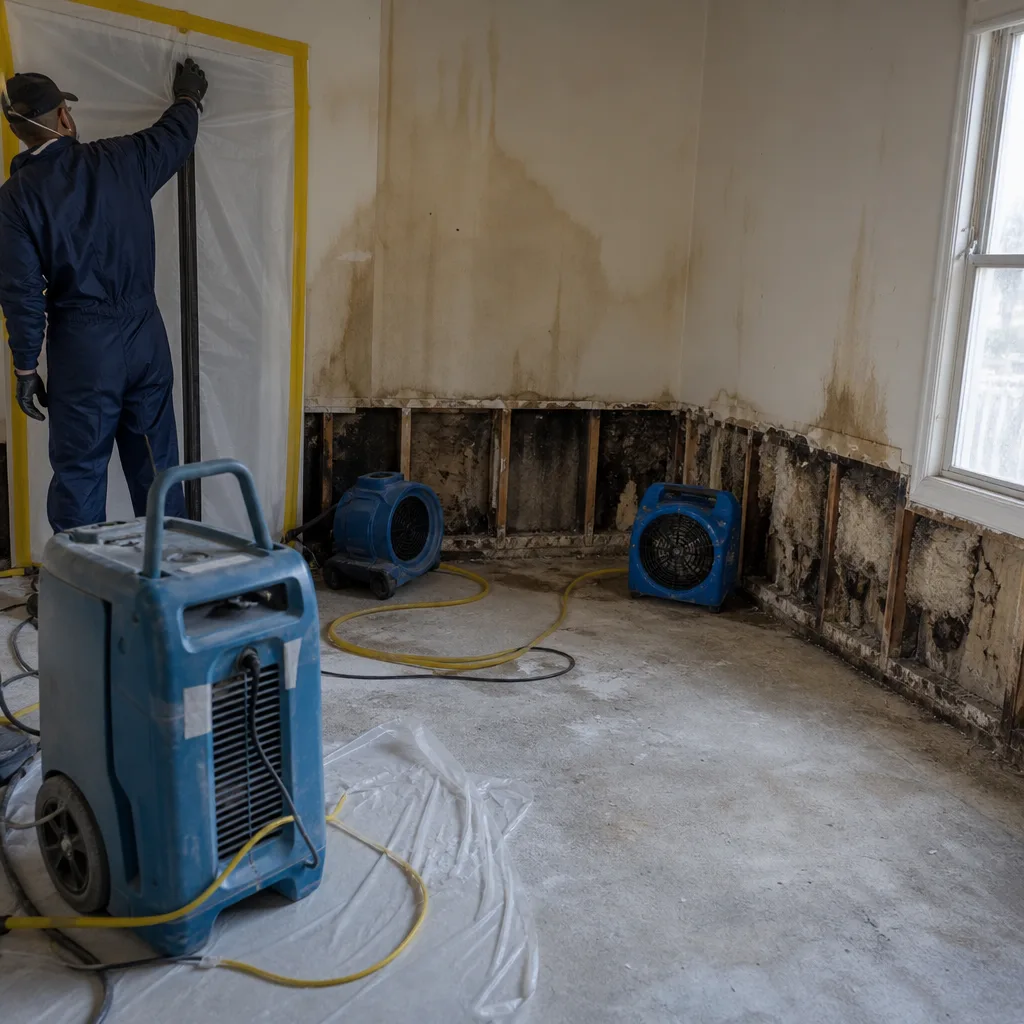 Before
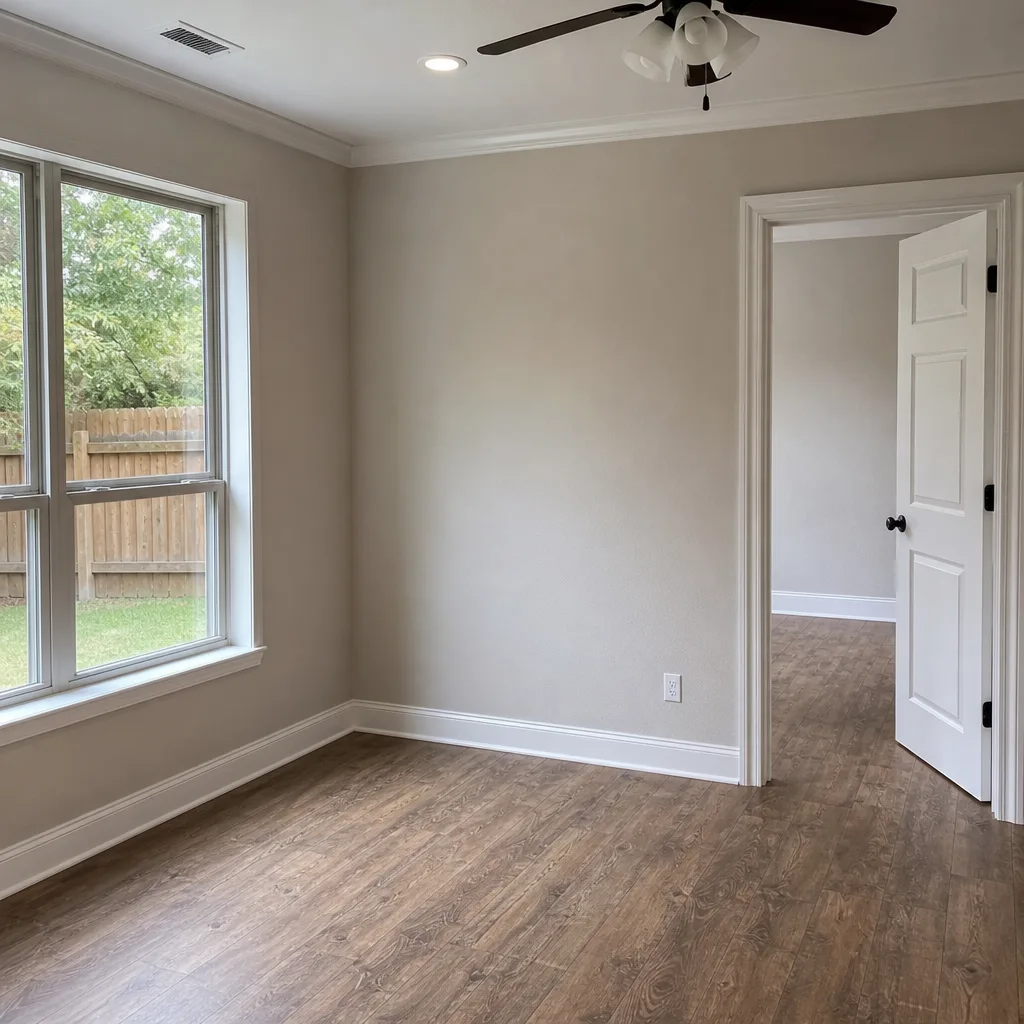 After
After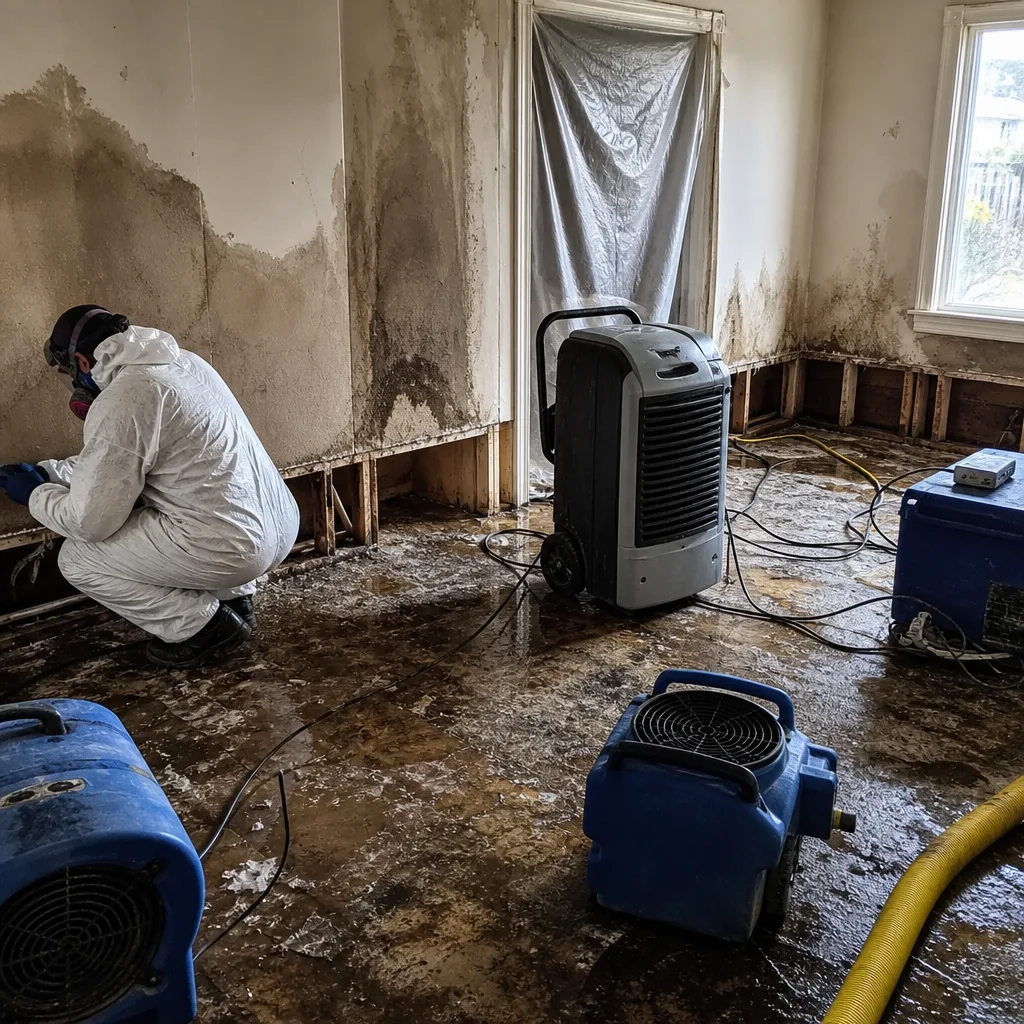 Before
 After
After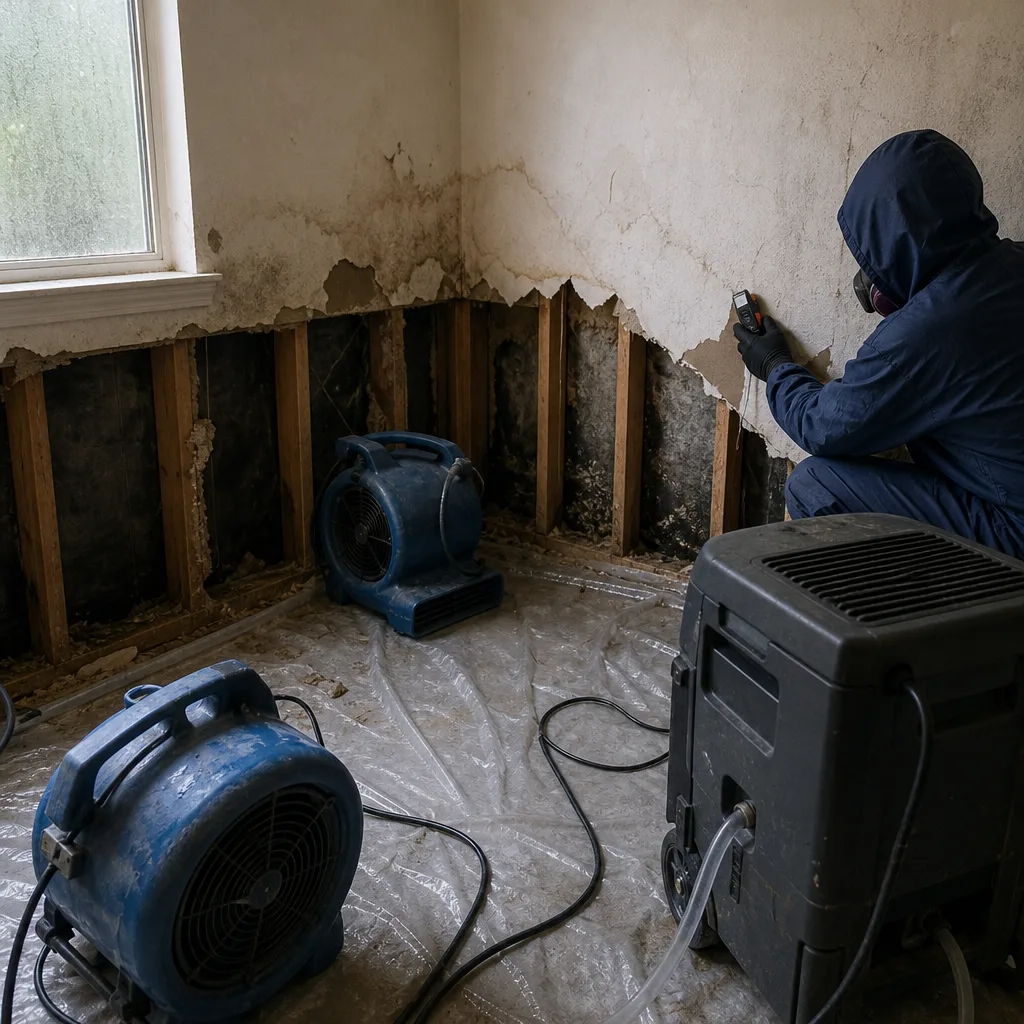 Before
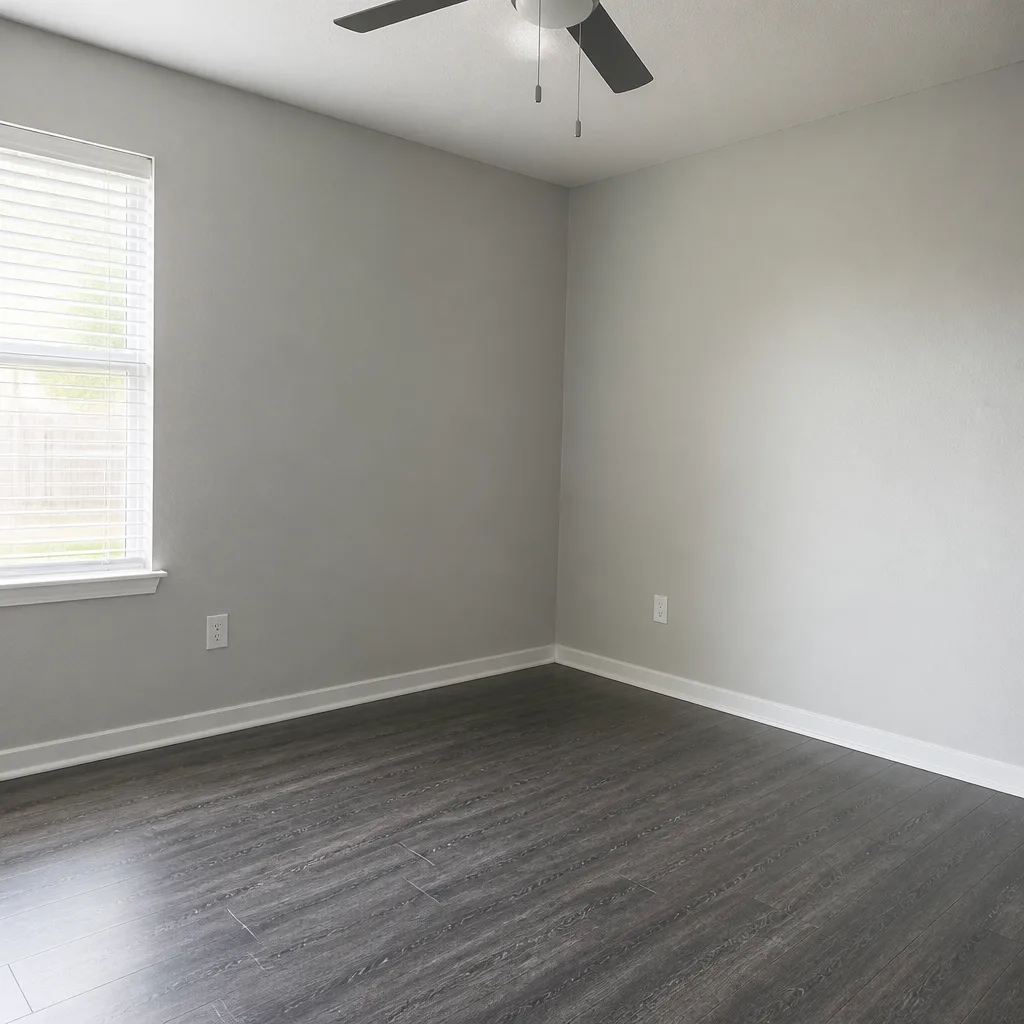 After
After